 Facebook
 X
X LinkedIn
 Forward
|
Listen on your favorite podcast app below.
|
 Mayo Clinic Talks is a weekly podcast show for healthcare professionals in primary care and all specialties. Podcasting offers succinct, relevant, accessible, and practical medical information which is useful for the primary care professional. The episodes in this course reflect commonly seen health problems in a primary care practice and other topics of interest. Mayo Clinic professionals from numerous medical specialties join as podcast guests covering an extremely wide variety of pertinent medical topics. Each podcast is succinct, kept to 20-30 minutes, allowing the busy healthcare professional to obtain useful information efficiently. Listening is free and no CME Credit is available for the episodes.




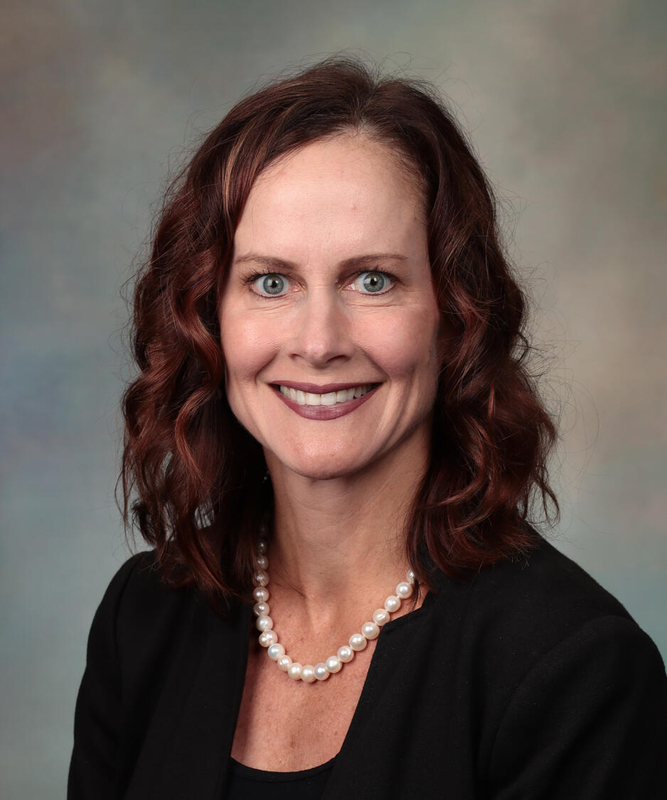 Guest: Amy S. Oxentenko, M.D. | Re-Release!! "No Loafing Matter" Celiac Disease & Gluten SensitivityDecember 30, 2025 HAPPY HOLIDAYS! Enjoy this re-release from Season 3 of Mayo Clinic Talks: It’s estimated that less than 1/3 of individuals with celiac disease have been properly diagnosed. When those with celiac disease ingest gluten, an immune response develops which attacks the small intestine leading to inadequate absorption of nutrients. If left untreated, celiac disease can lead to a variety of nutritional deficiencies as well as other serious consequences. Those with celiac disease are also at increased risk for coronary disease and small bowel cancers. In this podcast we’ll review celiac disease and gluten sensitivity with our guest, Amy S. Oxentenko, M.D., a gastroenterologist at the Mayo Clinic. We’ll discuss the symptoms of celiac disease, how to diagnose the condition and how patients with celiac disease should be managed. |
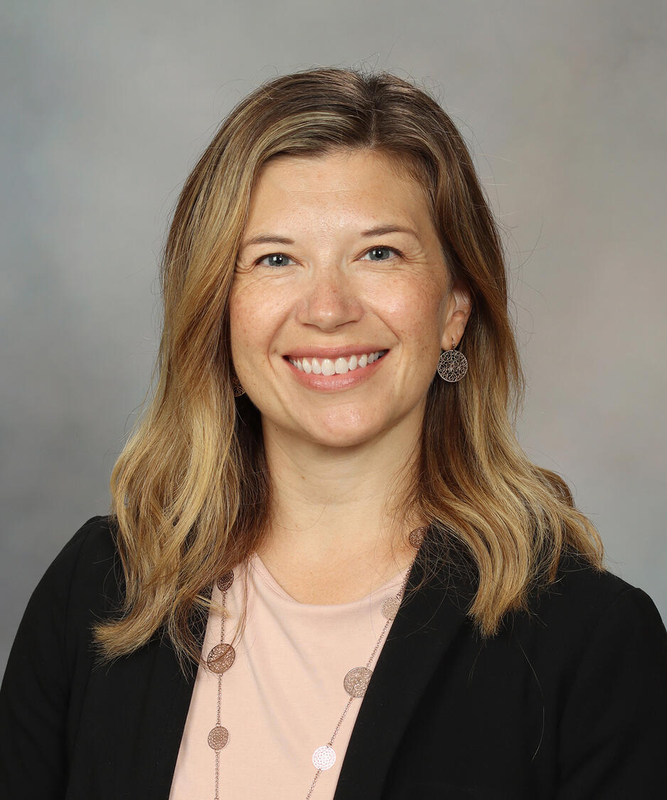 Guest: Lisa Lammert, R.D.N., L.D. | Re-Release!! "Lettuce Eat" Plant-Based Diets: Healthy and NonHealthyDecember 23, 2025 HAPPY HOLIDAYS! Enjoy this re-release from Season 3 of Mayo Clinic Talks: Cardiovascular disease is the leading cause of death to individuals in the U.S. Many feel that our typical American diet with its high saturated fat content is a major contributor to this. There’s good evidence that shows plant-based diets are cost-effective in lowering the risk factors for cardiovascular disease including obesity, hyperlipidemia, hypertension, and diabetes. They may also lower the number of medications an individual needs to take to manage their chronic diseases. So, are there any disadvantages to a plant-based diet? Are all plant-based diets healthy and what are the nutritional challenges for a patient on a plant-based diet? We’ll discuss these questions in this podcast on “Plant-Based Diets”. Our guest is Lisa Lammert, a registered dietician and nutritionist at the Mayo Clinic. |
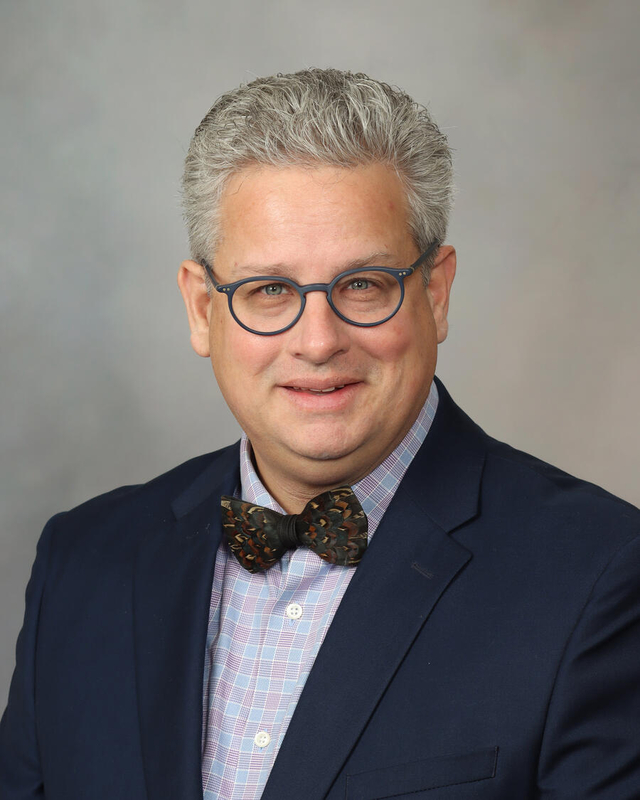 Guest: Cory Ingram, M.D. | Communication and HospiceDecember 16, 2025 As primary care providers, we have the privilege of guiding our patients through their healthcare journey, healing their medical conditions, managing them through chronic illness and at times, assisting them through the final chapters of their life. The topic for today’s podcast is “Hospice”, an important though often underutilized part of that journey. Hospice is not about giving up, it’s about changing the direction and goal of our care from cure to comfort. It prioritizes quality of life and maintaining dignity for patients going through a very challenging period of their life. My guest is Cory Ingram, M.D., a family medicine and palliative care physician from the Mayo Clinic who has extensive experience and insight into this topic. He’ll guide us through when we should consider hospice, who qualifies for hospice and the importance of good communication skills in helping patients and their families during this last period of their life. |
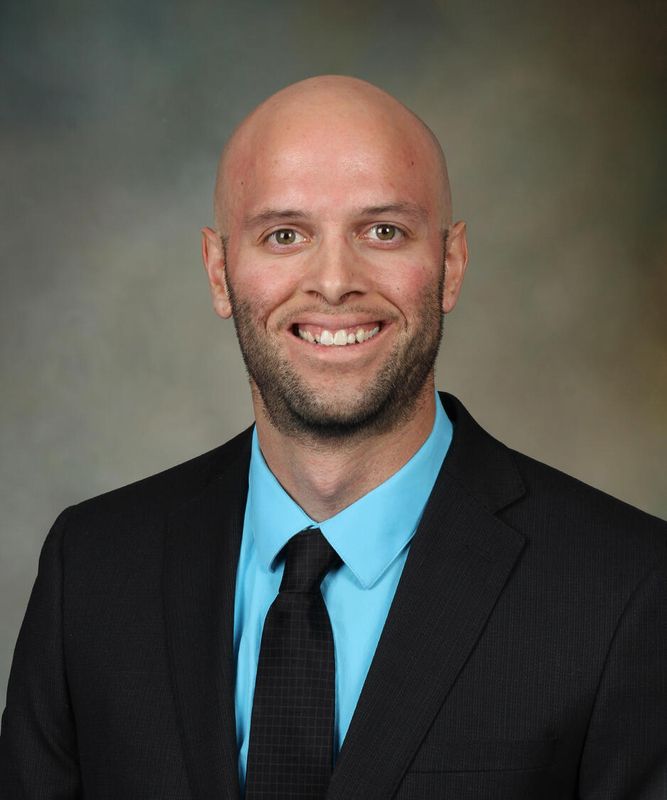 Guest: Andrew R. Jagim, Ph.D. | Nutritional SupplementsDecember 9, 2025 Nutritional supplements are very popular with our patients. They are supposed to provide benefits that may not be present in our typical diet. Vitamins and minerals are the most common supplements taken, followed closely by sports nutrition products such as protein powders and energy drinks. Consumers buy supplements because they’re readily available, relatively low cost and they believe that supplements will help them achieve health benefits. Patients often assume that supplements are safe, yet some can cause significant health problems, especially when taken in higher doses. Some have the potential to interact with various prescription medications. Are there nutritional supplements our patients should be taking? Which ones are potentially harmful? How safe are these products and do supplements have any regulatory oversight? These are questions I’ll be asking my guest, Andrew R. Jagim, Ph.D., Director of Sports Medicine Research at the Mayo Clinic as we discuss “Nutritional Supplements”. |
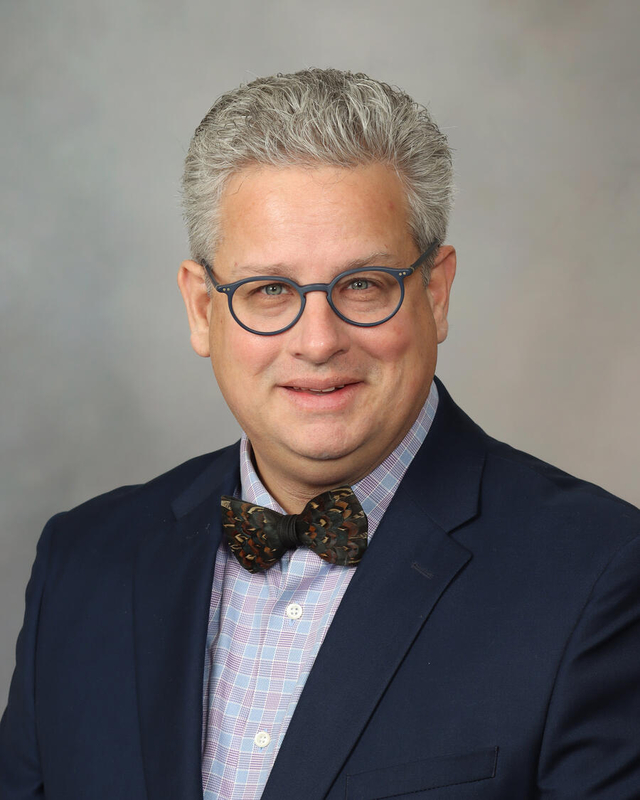 Guest: Cory Ingram, M.D. | Provider-Patient Relationship SkillsDecember 2, 2025 There are a couple outcomes in taking a medical history. Obviously, one is information gathering. You need to hear the patient’s symptoms to help form your differential diagnosis. The second, and equally important, is to help establish a relationship with that patient. There are several reasons a good provider-patient relationship is important. The patient is more likely to feel positive about their medical encounter, they’re more likely to be adherent to your recommendations regarding their health conditions, and they tend to be more forgiving if they experience an adverse event. What makes up a good provider-patient relationship? What can we do as clinicians to help establish a good relationship with our patients? Can we still establish a good relationship when we practice telemedicine? These are questions I’ll be asking my guest, Cory Ingram, M.D., a palliative care physician at the Mayo Clinic as we discuss “Provider-Patient Relationship Skills”. |
Guests: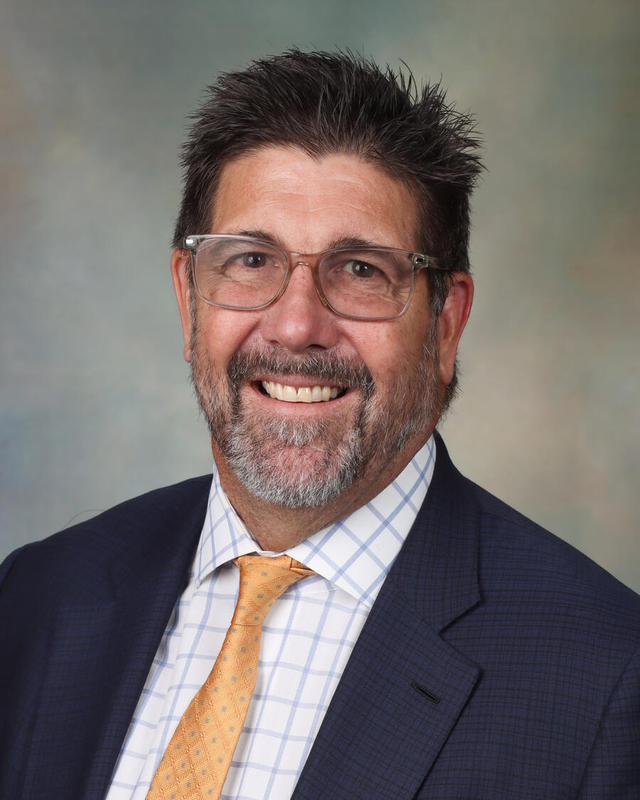 William J. Casey III, M.D. 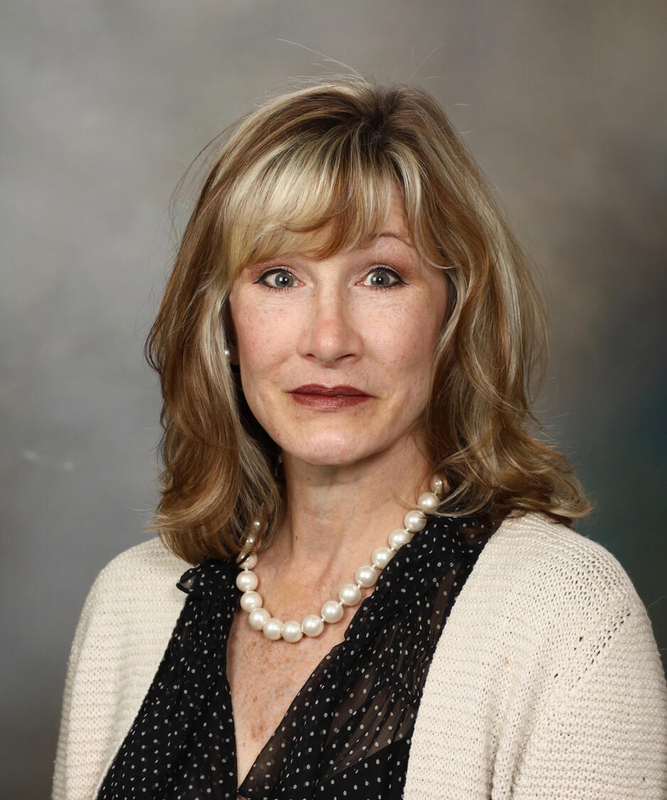 Andrea L. Cheville, M.D. | Vascular Medicine Series: Lymphedema Challenges and SuccessesNovember 25, 2025 There are numerous reasons a patient may develop swelling of an extremity. One of the less common reasons, but often misdiagnosed or undiagnosed is lymphedema. What is lymphedema, why does it occur and who’s at risk for it? Early recognition is important to prevent complications and primary care providers play a crucial role in identifying patients with lymphedema, coordinating their care and providing follow-up. How can we differentiate lymphedema from other causes of swelling? What are the potential complications if lymphedema is not correctly diagnosed and finally, what are some of the latest treatments available for the management of lymphedema? The topic for this podcast is “Lymphedema: Challenges and Success” and my guests include Andrea L. Cheville, M.D., a physician in the Department of Physical Medicine and Rehabilitation and William J. Casey, III, M.D., a physician in the Department of Plastic Surgery, both at the Mayo Clinic. |
 Guest: Martin G. Ellman, D.P.M. | Common Foot Disorders "Agony of De-Feet"November 18, 2025 We don’t really appreciate our feet until they hurt and then we become extremely aware of every step we take. Plantar fasciitis, bunions, metatarsalgia; all foot disorders which can result in foot pain and represent common reasons for an outpatient visit. What’s the role of the primary care clinician in the evaluation of foot pain? How should these conditions be managed? I’ll be reviewing common causes of foot problems as well as the management of foot pain with Martin G. Ellman, D.P.M., a podiatrist at the Mayo Clinic as we discuss “The Agony of De-Feet”. |
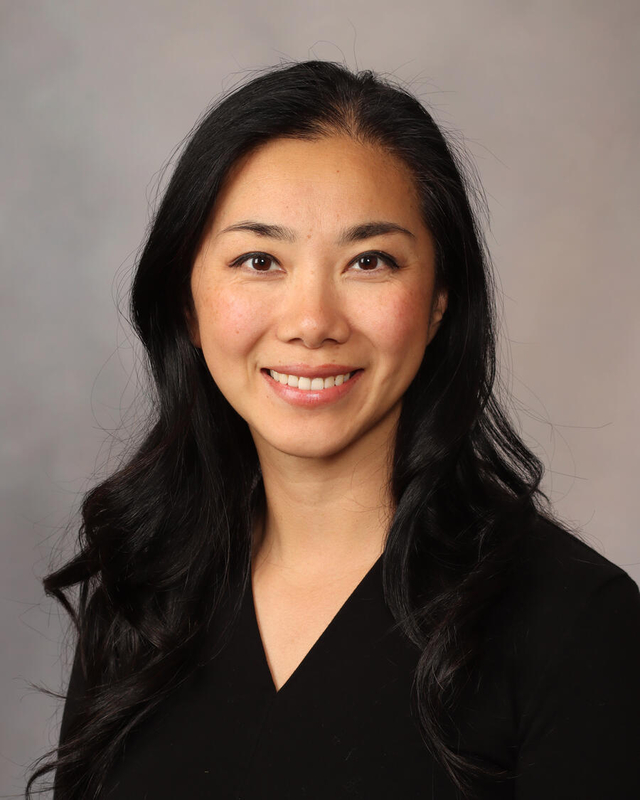 Guest: Christina Chen, M.D. | Alzheimer’s Disease and Family DynamicsNovember 11, 2025 Alzheimer’s Disease affects not only the patient but also has a significant impact on that patient’s family. The family becomes stressed as emotional and physical burdens develop. The role of the primary care clinician in managing a patient with Alzheimer’s is not only to care for the patient but also help and support families as they go through a very complex, emotional journey. Today’s podcast will cover the changes in family dynamics which commonly occur in Alzheimer’s Disease including caregiver burden, legal decisions which need to be made, and difficult ethical choices which will be made as the disease progresses. What are some common sources of conflict within families as they care for their loved one with Alzheimer’s? What can we do as a clinician to help families through this difficult journey? How do we approach a situation where there’s disagreement in the family regarding management? These are some of the questions I’ll be asking my guest, Christina Chen, M.D., an internist and geriatrician in the Division of Community Internal Medicine at the Mayo Clinic as we discuss “Alzheimer’s Disease and Family Dynamics”. |
 Guest: Ronald C. Petersen, M.D., Ph.D. | Mild Cognitive ImpairmentNovember 4, 2025 We all experience cognitive changes as we age. If you doubt this, try learning to play the piano with a group of 7-and 8-year-olds and see who sounds best at the recital. We tend to have difficulty with new learning and can struggle with short term memory. When do these cognitive changes become pathologic? Dementia results in a gradual decline in cognitive abilities, memory and behavior, severe enough to interfere with daily life. Between the cognitive changes that occur with aging and those with dementia, there is another medical entity, mild cognitive impairment. How does it differ from the normal cognitive changes of aging? How does it differ from dementia? And is it important for us to recognize it? These are some of the questions I’ll be asking my guest for today’s podcast, Ronald C. Petersen, M.D., Ph.D., a neurologist and internationally recognized expert in the field of dementia as we discuss “Mild Cognitive Impairment”. |
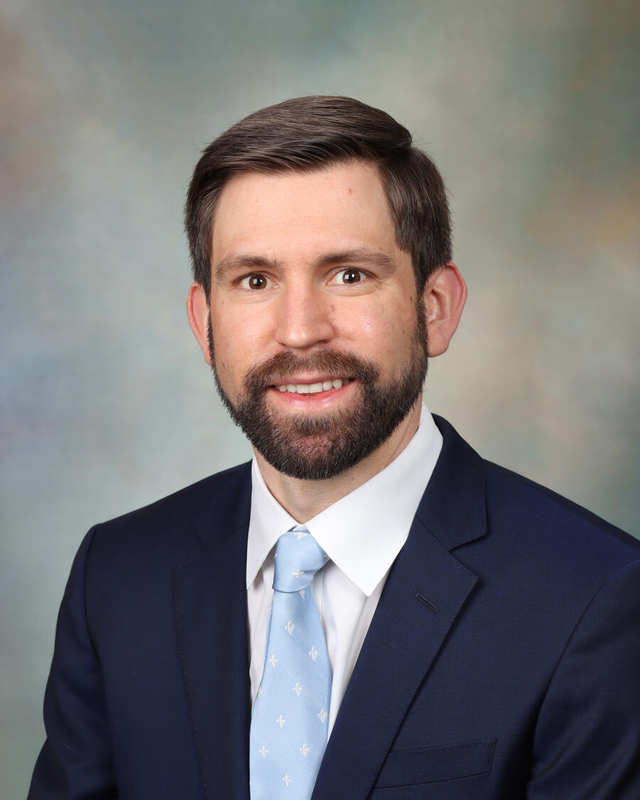 Guest: Daniel M. Frendl, M.D., Ph.D. | Prostate Cancer ScreeningOctober 28, 2025 If your practice includes middle age and older men, you’ve very likely diagnosed prostate cancer. It’s the most diagnosed non-skin cancer in men in the U.S. Its incidence rises with age, with a median age of around 66 years. When found early, prostate cancer is very treatable, and in most cases, curable. Prostate specific antigen, or PSA is very effective in detecting early prostate cancer, but its use has been controversial due to the risk of overdiagnosis and overtreatment. What are the current recommendations for prostate cancer screening with PSA? What’s the role of the digital rectal exam? How should we be using the PSA and what other tests are available for prostate cancer screening? The topic for this podcast is “Prostate Cancer Screening” and I’ll be asking these questions to my guest, Daniel M. Frendl, M.D., Ph.D., a urologist at the Arizona campus of the Mayo Clinic. Tune in this Thursday for our next episode on "Prostate Cancer" releasing October 30, 2025. |
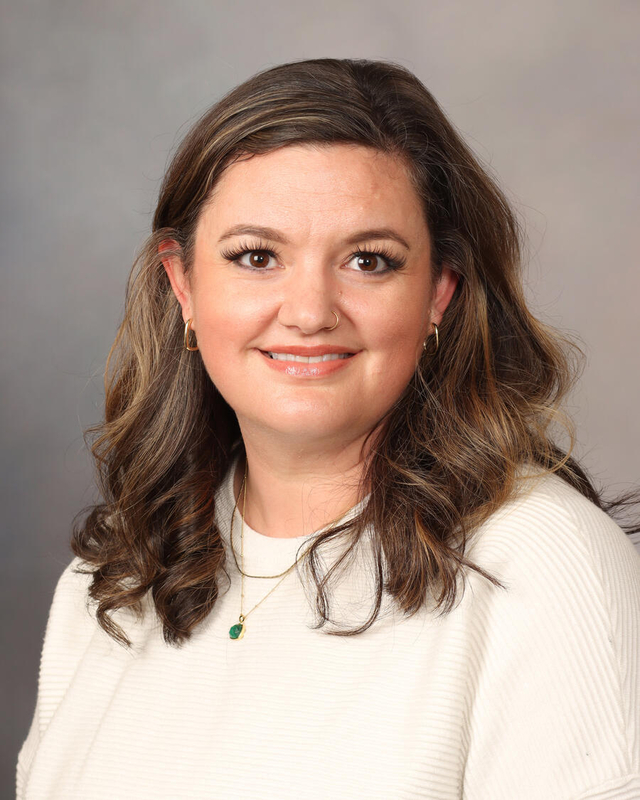 Guest: Rebecca Smith, Ph. D, APRN, CNM | Obstetric and Gynecologic Health Series: Labor and DeliveryOctober 23, 2025 Hosts: Danielle O’Laughlin, PA-C, MS and Jenna Wygant, APRN, CNP, DNP Rebecca Smith provides a comprehensive overview of labor and delivery, including the stages of labor, assessment techniques, and monitoring practices. The episode also addresses potential complications and their management. By the end of this podcast, listeners will be able to:
Learn more about this series: Mayo Clinic Talks: Obstetric and Gynecologic Health | Mayo Clinic School of Continuous Professional Development |
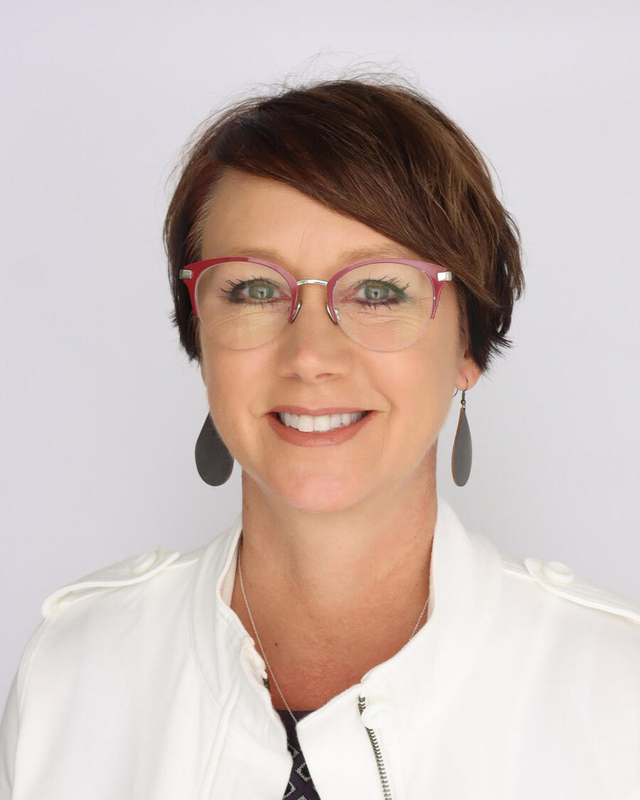 Guest: Julie Lamppa, APRN, CNM | Obstetric and Gynecologic Health Series: Complicated PregnancyOctober 21, 2025 Hosts: Danielle O’Laughlin, PA-C, MS and Jenna Wygant, APRN, CNP, DNP Julie Lamppa discusses complications that can arise during pregnancy, including gestational diabetes, preeclampsia, and other abnormalities. This episode emphasizes early recognition and multidisciplinary management. By the end of this podcast, listeners will be able to differentiate various pregnancy complications and their clinical implications. Learn more about this series: Mayo Clinic Talks: Obstetric and Gynecologic Health | Mayo Clinic School of Continuous Professional Development |
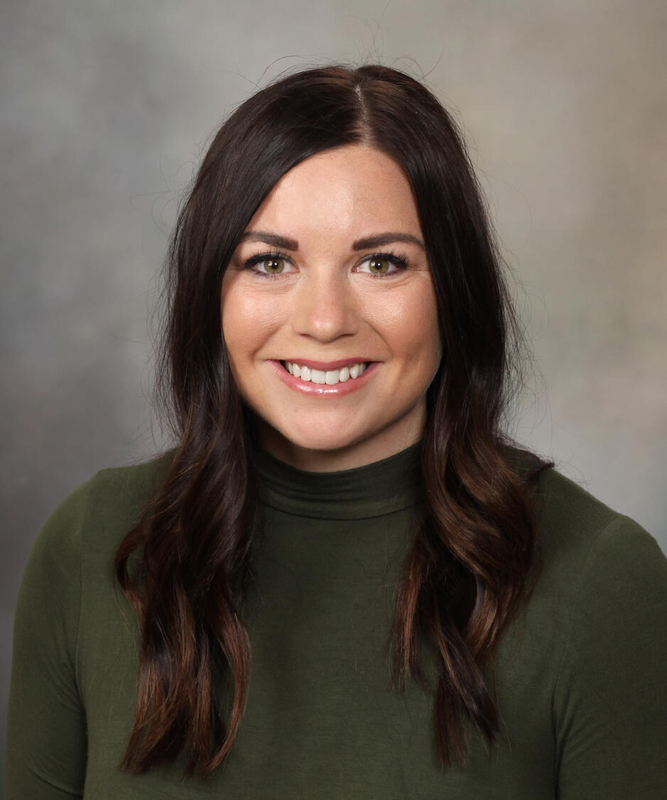 Guest: Jenna Wygant, APRN, CNP, DNP | Obstetric and Gynecologic Health Series: Gynecologic Pain DisordersOctober 16, 2025 Hosts: Danielle O’Laughlin, PA-C, MS and Jenna Wygant, APRN, CNP, DNP Jenna Wygant discusses common gynecologic pain disorders such as endometriosis and pelvic inflammatory disease. The episode highlights diagnostic challenges and treatment strategies to improve patient outcomes. By the end of this podcast, listeners will be able to:
Learn more about this series: Mayo Clinic Talks: Obstetric and Gynecologic Health | Mayo Clinic School of Continuous Professional Development |
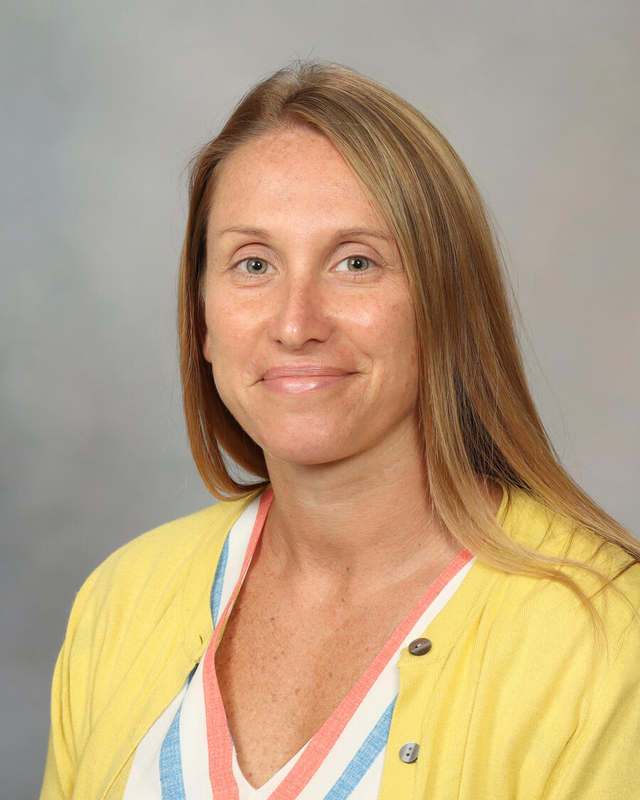 Guest: Casey Lawler, P.A.-C | Obstetric and Gynecologic Health Series: Gynecologic CancerOctober 14, 2025 Hosts: Danielle O’Laughlin, PA-C, MS and Jenna Wygant, APRN, CNP, DNP This episode provides an overview of gynecologic cancers, including cervical, ovarian, uterine, and vulvar cancers. Casey Lawler shares insights into the causes, risk factors, and clinical management of these conditions. By the end of this podcast, listeners will be able to:
Learn more about this series: Mayo Clinic Talks: Obstetric and Gynecologic Health | Mayo Clinic School of Continuous Professional Development |
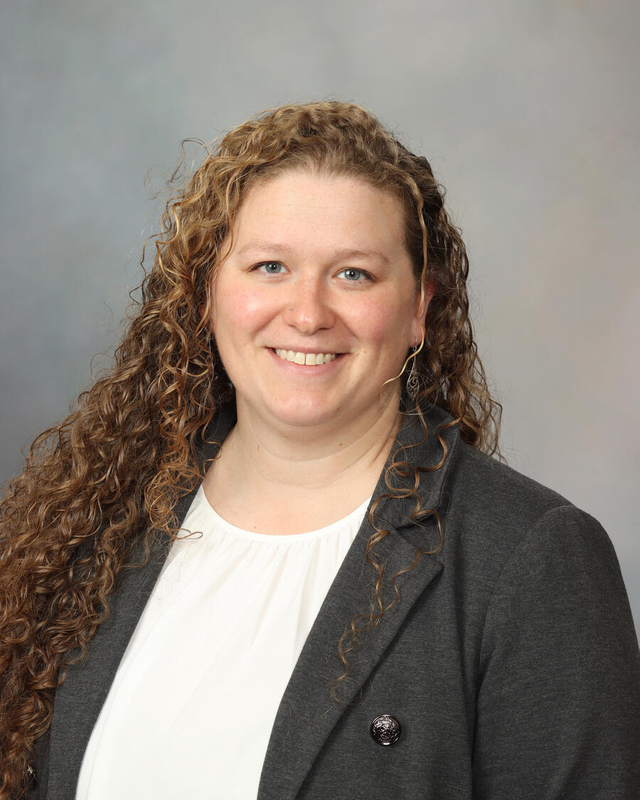 Guest: Susan Kok, M.D. | Obstetric and Gynecologic Health Series: Breast CancerOctober 7, 2025 Hosts: Danielle O’Laughlin, PA-C, MS and Jenna Wygant, APRN, CNP, DNP Dr. Susan Kok joins the podcast to explore both non-invasive and invasive breast cancers. This episode covers risk factors, symptom recognition, diagnostic tools, and treatment modalities, with a focus on individualized care and shared decision-making. By the end of this podcast, listeners will be able to:
Learn more about this series: Mayo Clinic Talks: Obstetric and Gynecologic Health | Mayo Clinic School of Continuous Professional Development |
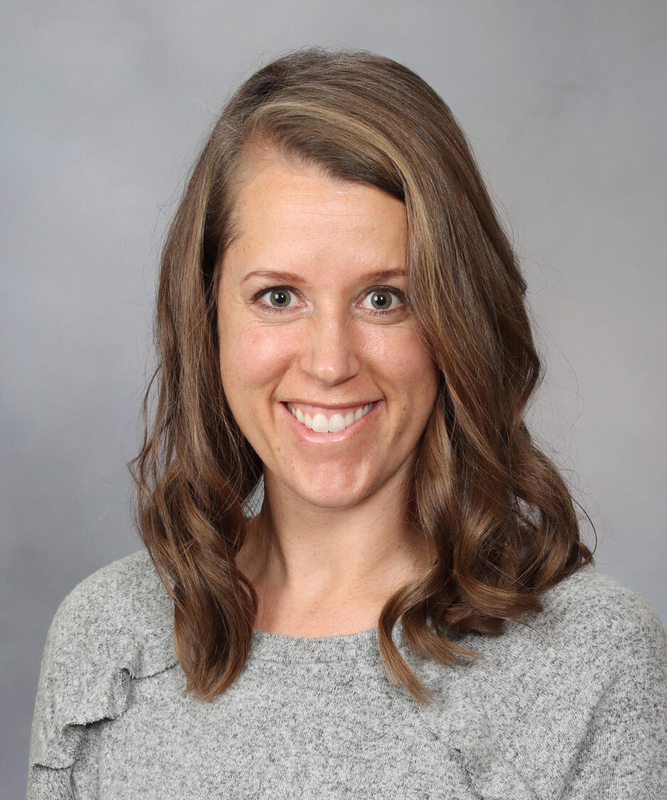 Guest: Danielle O’Laughlin, PA-C, MS | Obstetric and Gynecologic Health Series: Benign Breast Tumor ConditionsSeptember 30, 2025 Hosts: Danielle O’Laughlin, PA-C, MS and Jenna Wygant, APRN, CNP, DNP In this episode, Danielle O’Laughlin discusses benign breast tumor conditions and other non-cancerous growths. Listeners will gain insight into the clinical presentation, diagnostic evaluation, and management strategies for these common breast findings. By the end of this podcast, listeners will be able to:
Learn more about this series: Mayo Clinic Talks: Obstetric and Gynecologic Health | Mayo Clinic School of Continuous Professional Development |
| Vascular Medicine Series: Vascular Wound TreatmentsSeptember 23, 2025 Host: Darryl S. Chutka, M.D. Vascular wounds can be quite challenging. If untreated, they can lead to infection, even sepsis, hospitalization and occasionally, amputation. Effective treatment requires an accurate diagnosis and recognition of the specific type of vascular wound you’re dealing with. Even when the type of wound is correctly identified and is being treated appropriately, healing can be slow. What diagnostic tools are available to help us? How does a venous insufficiency ulcer differ from an arterial ulcer? What’s the best treatment for these wounds and when should we refer our patient to a vascular specialist? The topic for this podcast is “Vascular Wound Treatments” and these are some of the questions I’ll be asking my guest, Matthew (Mark) Melin, M.D., a vascular specialist from the Department of Cardiovascular Medicine at the Mayo Clinic. |
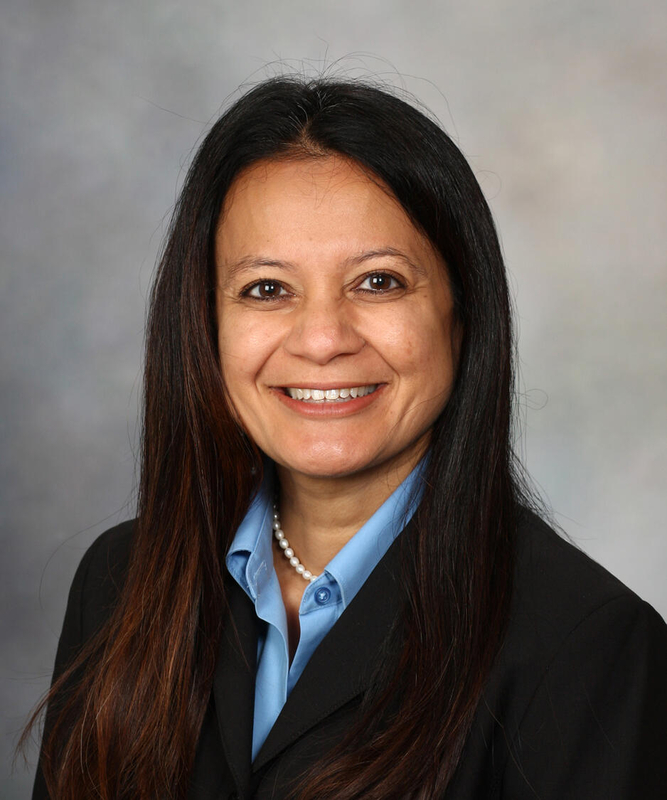 Guest: Neha P. Raukar, M.D., M.S. | Claiming Your Voice and Why Women in Medicine Need a Clear Professional NarrativeSeptember 19, 2025 Host: Darryl S. Chutka, M.D. Women in medicine have made significant strides over the past few decades, yet some still face a variety of challenges and barriers. They commonly encounter inequalities that can affect their professional growth and overall well-being. Common issues include pay disparity, underrepresentation in leadership positions and gender discrimination, just to name a few. Some medical specialties tend to be male-dominated and can be less welcoming to women. As a result, women physicians have higher rates of professional burnout and often experience a less satisfying career. My guest for this podcast is Neha P. Raukar, M.D., M.S., an emergency medicine physician at the Mayo Clinic. The topic we’ll be discussing is “Claiming Your Voice and Why Women in Medicine Need a Clear Professional Narrative”. |
Guests: Haraldur Bjarnason, M.D. 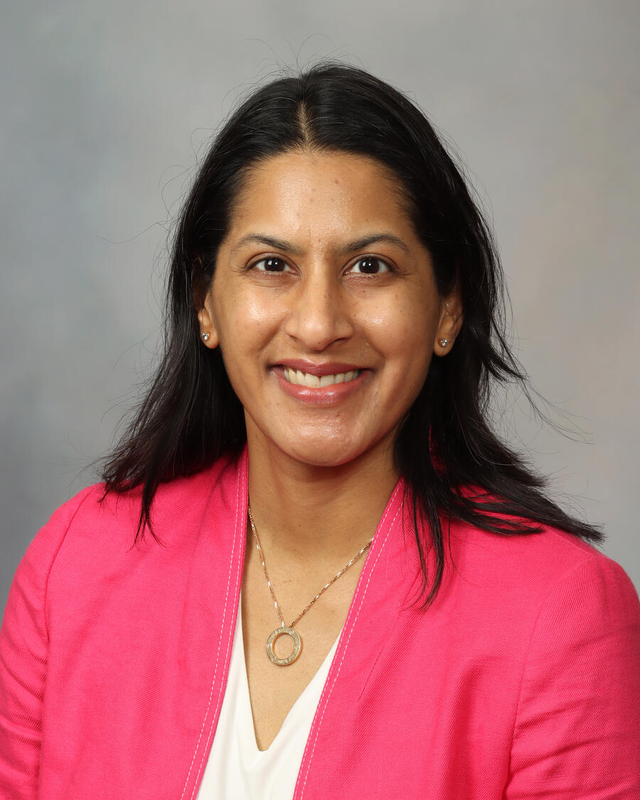 Megha M. Tollefson, M.D. | Vascular Medicine Series: Vascular MalformationsSeptember 18, 2025 Host: Darryl S. Chutka, M.D. Vascular malformations are anomalies of vessels that can cause a variety of potentially serious health problems depending on their type, location, and size. They may involve arterial, venous or lymphatic vessels. They’re often progressive and may enlarge over time. They’re best diagnosed with one or more imaging studies and the treatment depends on the type of vascular malformation. Management usually requires a multi-disciplinary approach in order to be most effective. What are the most common types of vascular malformations? What organs are typically involved? What are some of the more serious medical complications they may cause and how should we manage them? The topic for this podcast is “Vascular Malformations” and these are questions I’ll be asking my guests, Haraldur Bjarnason, M.D., an interventional and vascular radiologist and Megha M. Tollefson, M.D., a dermatologist, both from the Mayo Clinic. |
Guests: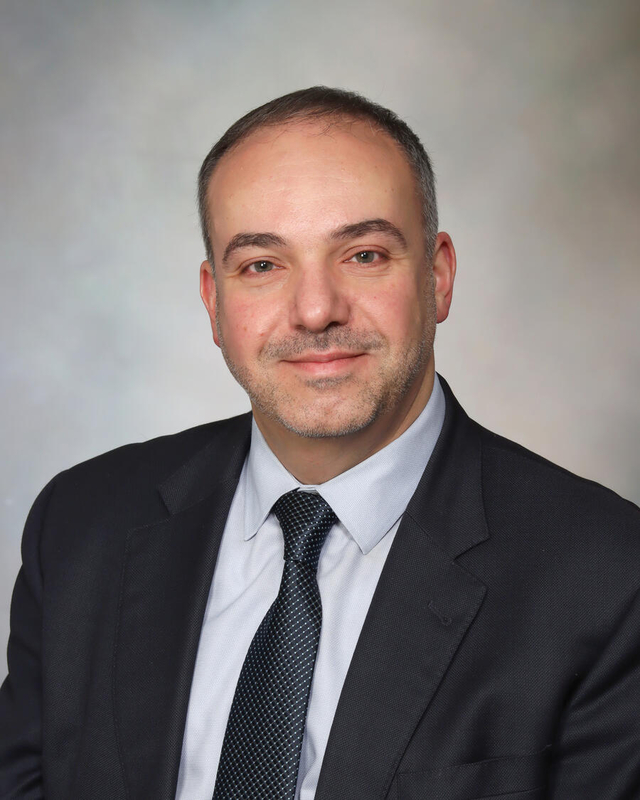 Sam Farres, M.D. 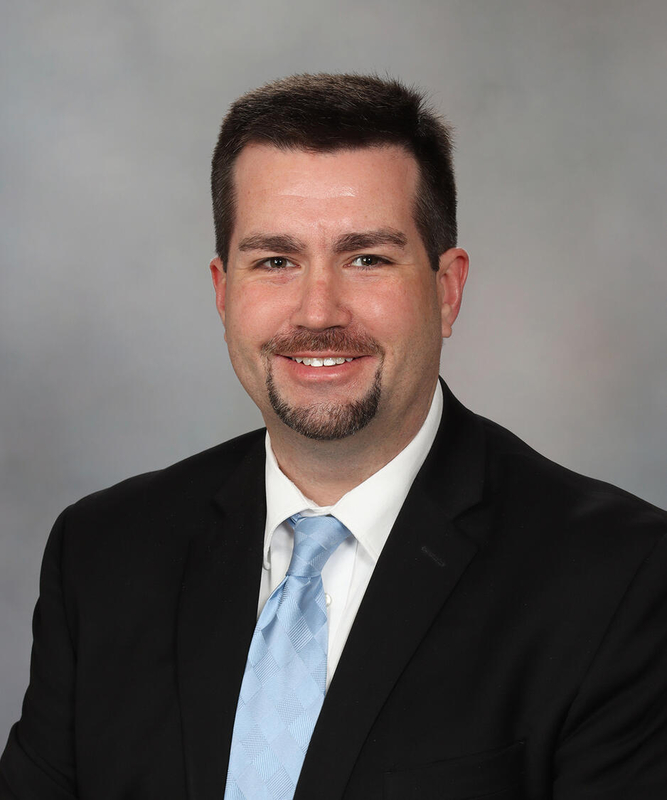 Ryan A. Meverden, PA-C | Vascular Medicine Series: Thoracic Outlet SyndromeSeptember 16, 2025 Host: Darryl S. Chutka, M.D. Thoracic outlet syndromes is a great masquerader and often mistaken for a variety of other health conditions including cervical radiculopathy, carpal tunnel syndrome, rotator cuff injury or even multiple sclerosis. It has several causes which account for the variety of its clinical presentations. Because of this, the diagnosis is commonly delayed or diagnosed incorrectly. Yet, it’s crucial to establish an early and accurate diagnosis as this can prevent potential progression of neurologic damage or in some cases life-threatening vascular complications. It also prevents unnecessary treatments and inappropriate interventions. The topic for this podcast is “Thoracic Outlet Syndrome” and my guests include Ryan Meverden, PA-C, a physician assistant in the Vascular Center at the Rochester campus of the Mayo Clinic and Sam Farres, M.D., Division Chair of Vascular Surgery at the Florida campus of the Mayo Clinic. As we discuss thoracic outlet syndrome, we’ll review the variety of presenting symptoms, potential complications, appropriate tests to evaluate patients and effective management strategies. |
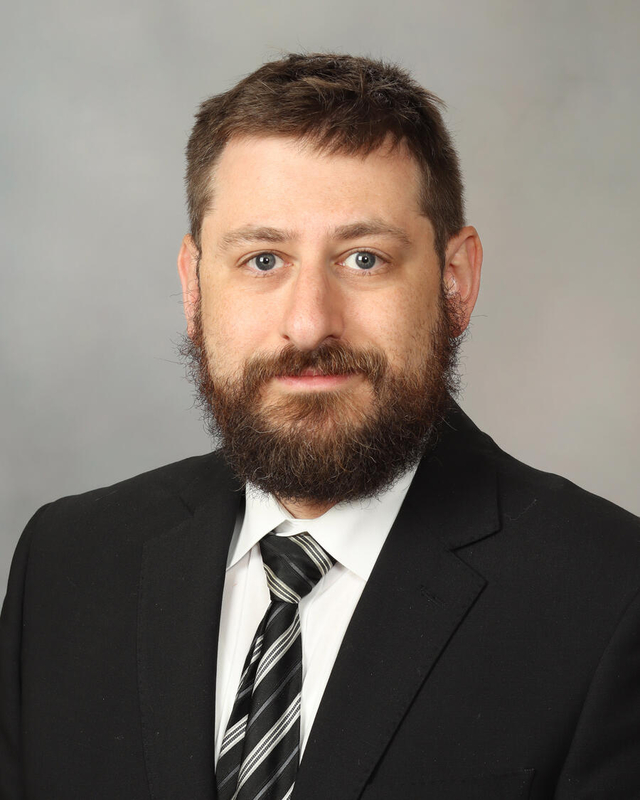 Guest: Stan Henkin, M.D. | Vascular Medicine Series: Peripheral Arterial DiseaseSeptember 11, 2025 Host: Darryl S. Chutka, M.D. Peripheral arterial disease is a manifestation of atherosclerosis and becomes more common with advancing age. In its early stages, it can be quite difficult to diagnose. Although claudication is the most classic symptom, many remain asymptomatic, especially if they have limited ability to ambulate. Although risk factor modification is important in disease management, overall treatment options have been somewhat disappointing. How can we diagnose PAD early and are there advantages in recognizing the disease in an early stage? What are the best ways to establish a diagnosis and what treatment options do we have available? Our topic for this podcast is “Peripheral Arterial Disease” and these are questions I’ll asking my guest, Stan Henkin, M.D., a vascular medicine specialist from the Department of Cardiovascular Medicine at the Mayo Clinic. |
 Guest: Ana I. Casanegra, M.D., M.S. | Vascular Medicine Series: How to Choose Your AnticoagulantSeptember 9, 2025 Host: Darryl S. Chutka, M.D. For many decades, we really only had one option for providing chronic anticoagulation, warfarin. We learned how to manage the many drug and food interactions, frequently changing the warfarin dose as we tried to keep our patients in therapeutic range. Now we have a variety of choices with the direct-acting oral anticoagulants, or DOAC’s. How do the newer agents compare to warfarin in effectiveness? Are they really safer than warfarin? Do they ever require any monitoring? What’s the latest on reversing the anticoagulant effect? I’ll be discussing these topics and more with my guest, Ana I. Casanegra, M.D., M.S., a vascular medicine specialist at the Mayo Clinic. The topic for this podcast is “How to Choose Your Anticoagulant”. |
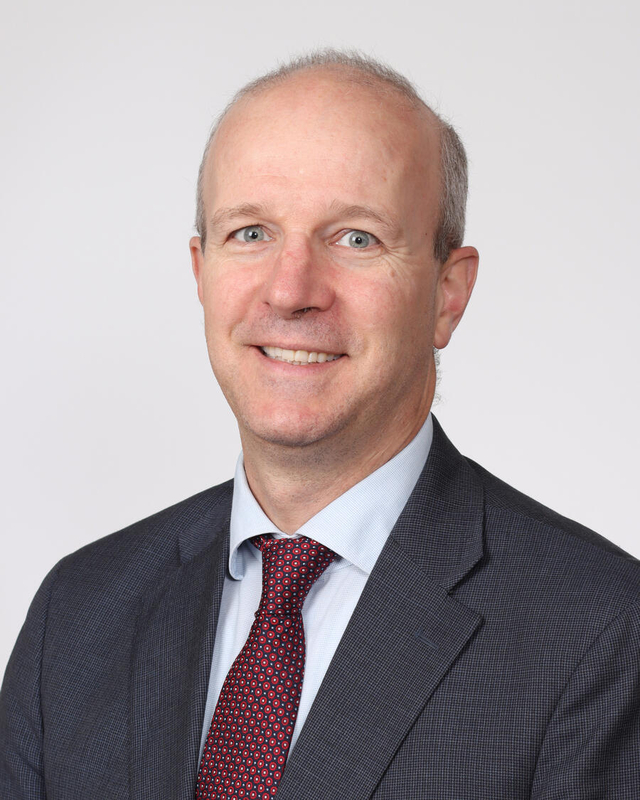 Guest: Christopher Francois, M.D. | Vascular Medicine Series: The New Era in Aortic ImagingSeptember 4, 2025 Host: Darryl S. Chutka, M.D. The risk of thoracic aortic dissection increases as the diameter of the aorta widens. A diameter greater than 5 cm is associated with an increased risk of dissection in the general population. Patients with Marfan Syndrome have defective connective tissue and dissection commonly occurs with diameters less than 5 cm. Other health conditions associated with aortic dilation and potential dissection include Ehlers Danlos and those with bicuspid aortic valves. It therefore becomes extremely important to accurately assess the aorta. Fortunately, we now have a variety of imaging tools available and several of these tools are relatively new. My guest for today’s podcast is Dr. Christopher Francois, from the Department of Diagnostic Radiology at the Mayo Clinic and he’ll bring us up to date regarding the most recent imaging techniques as we continue our series on vascular medicine. We’ll discuss who’s at risk for an aortic aneurysm, when some of the more traditional imaging is indicated and when we should consider some of the newer imaging tools. |
Vascular Medicine Series: Hereditary Aortic Aneurysms and DissectionSeptember 2, 2025 Host: Darryl S. Chutka, M.D. Genetic factors predispose selected individuals to hereditary aortic aneurysms leading to aortic dilation and potential dissection. They can be seen in a variety of known genetic syndromes, and they differ from aortic aneurysms associated with aging and chronic, uncontrolled hypertension. Early recognition is critical in the management of these patients in preventing serious, often life-threatening aortic dissection. How common are hereditary aortic aneurysms? When and how should we screen patients for this condition? Is a genetic consultation recommended? When should we involve a vascular surgeon when at risk patients are identified? These are some of the questions I’ll be asking my guests, Thais D. Coutinho, M.D., a cardiologist and cardiac surgeon, Kristen A. Sell-Dottin, M.D., both from the Mayo Clinic. We’ll be discussing “Hereditary Aortic Aneurysms and Dissection” as part of our podcast series on “Peripheral Vascular Disease”. | |
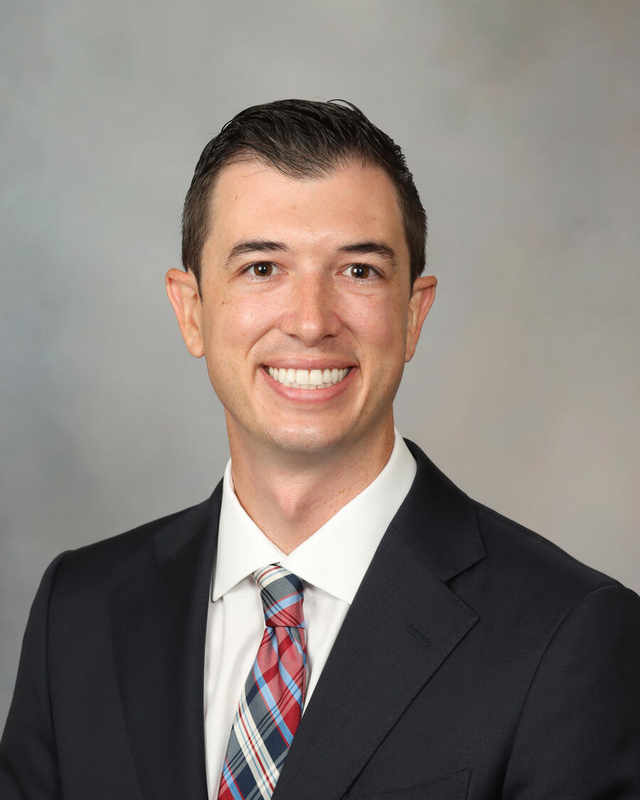 Guest: Jacob K. Dey, M.D. | Correcting Facial Paralysis Associated with Bell’s PalsyAugust 26, 2025 Host: Darryl S. Chutka, M.D. Bell’s Palsy is the most common cause of 7th cranial nerve dysfunction and clinically, it has a relatively abrupt onset resulting in unilateral facial paralysis. Fortunately, the majority of patients recover completely without treatment. Unfortunately, in some cases, the facial paralysis is persistent, and surgical intervention may be indicated to help restore facial symmetry. When do patients reach maximum improvement in their facial asymmetry? What is facial synkinesis? What are the various surgical options and how is it determined which one is best for the patient? The topic for this podcast is “Correcting Facial Paralysis Associated with Bell’s Palsy” and these are some of the questions I’ll be asking my guest, facial plastic surgeon, Jacob K. Dey, M.D., from the Division of Facial Plastic & Reconstructive Surgery at the Mayo Clinic. |
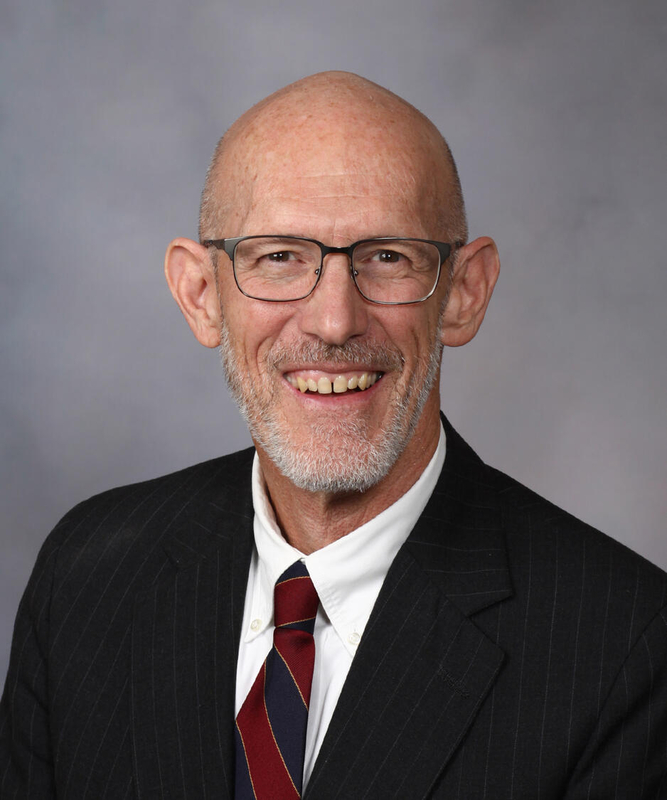 Guest: Gregory A. Poland, M.D. | Measles and Vaccine HesitancyAugust 19, 2025 Host: Darryl S. Chutka, M.D. Measles is a viral illness that very recently was considered rare in this country but unfortunately has seen a resurgence in recent times. It’s highly contagious and can lead to severe complications including encephalitis and potentially death. There is an effective vaccine and it’s typically administered along with mumps and rubella as the MMR. The vaccine was introduced in the 1960’s and resulted in a dramatic reduction in the incidence of measles. Despite overwhelming evidence of the vaccine’s safety and efficacy, vaccine hesitancy has resulted in measles outbreaks in communities with lower immunization rates. The topic for today’s podcast is measles and my guest is Greg A. Poland, M.D., a general internist and vaccine research specialist at the Mayo Clinic. We’ll discuss the clinical manifestations of measles, the measles vaccine, vaccine hesitancy and how we as clinicians can most effectively educate our patients about measles. |
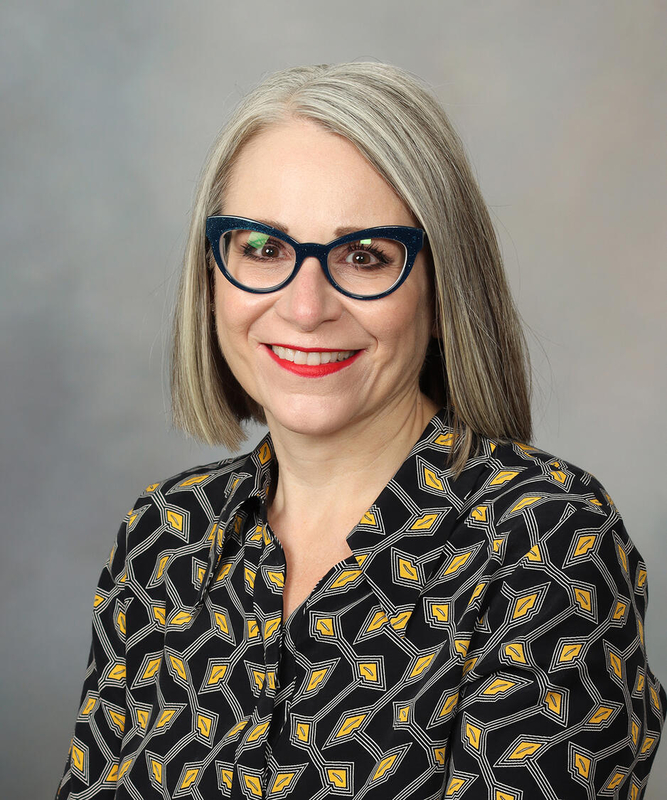 Guest: Stacy D. D’Andre, M.D. | Integrative OncologyAugust 12, 2025 Host: Darryl S. Chutka, M.D. When we diagnose a patient with cancer, we typically focus on finding the most effective treatment for that malignancy: surgery, radiotherapy, chemotherapy, or immunotherapy. However, to a patient, the diagnosis of cancer means much more. Patients commonly experience fear and anxiety just from receiving the diagnosis. Other symptoms may include insomnia, depression, pain, and symptomatic effects from the treatment including nausea, loss of appetite and fatigue to name just a few. The Mayo Clinic Comprehensive Cancer Center has developed an integrative approach to help patients manage the variety of symptoms associated with malignancy. It centers around a multi-disciplinary team which assesses each patient individually and incorporates a variety of complementary treatments as well as physical and emotional support. It also includes nutrition and dietary supplement counseling and recommendations regarding exercise and movement. In this podcast, we’ll learn more about this fascinating approach to treating patients with cancer as we discuss “Integrative Oncology” with my guest, Stacy D. D’Andre, M.D., from the Department of Oncology at the Mayo Clinic. |
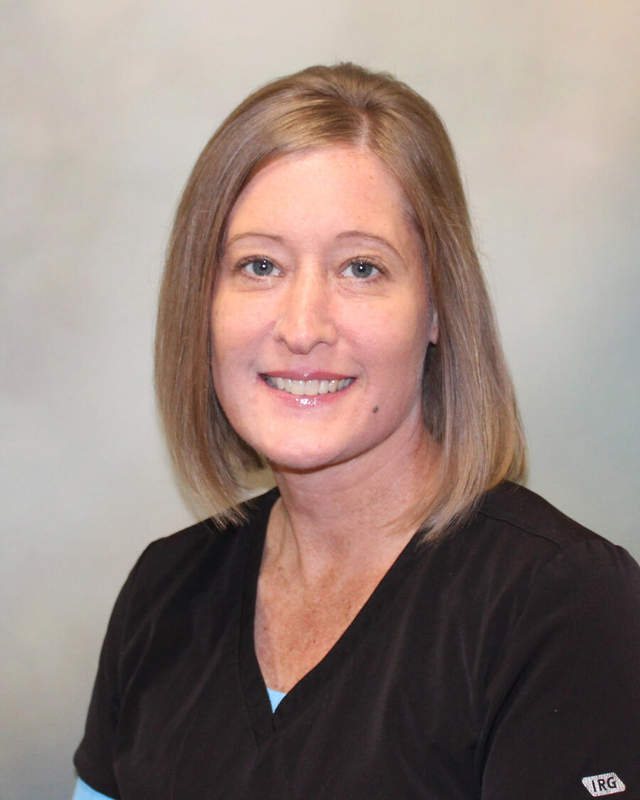 Guest: Melinda J. Hahm | Exercise and Bariatric SurgeryAugust 5, 2025 Host: Darryl S. Chutka, M.D. Bariatric surgery is very likely the most effective method for long-term weight loss. It’s not unusual for patients to lose well over 50% of their excess body weight. As a result, a variety of chronic health risks are reduced including diabetes, cardiovascular disease, sleep apnea, hypertension to name just a few. Exercise, associated with bariatric surgery is important to help achieve and maintain long-term weight loss and help prevent regaining the weight lost. The topic for this podcast is “Exercise and Bariatric Surgery” and my guest is Melinda J. Hahm, an exercise physiologist from the Mayo Clinic. Some of the topics we’ll discuss include the benefits of exercise associated with bariatric surgery, when patients should start an exercise program in relation to their surgery and what type of exercise is best to help maintain weight loss. |
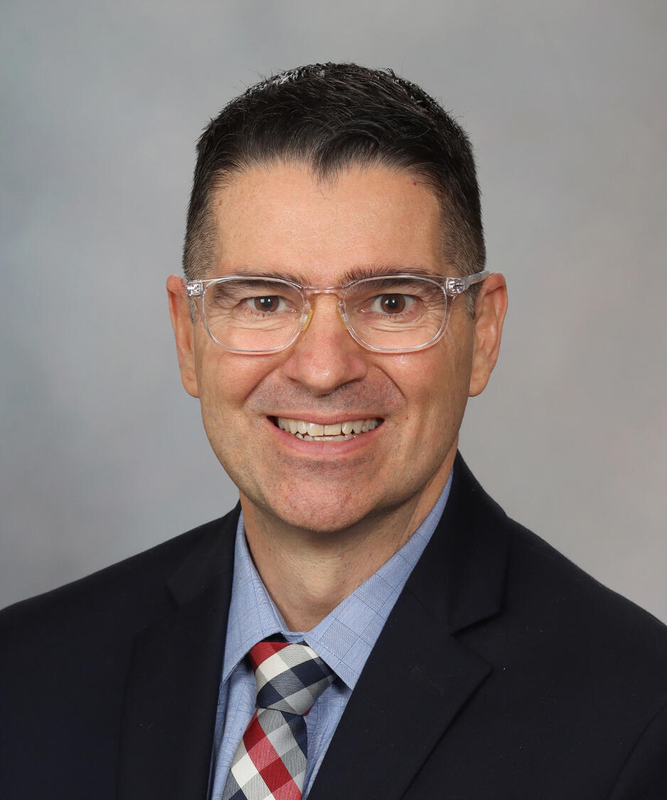 Guest: Eric J. Moore, M.D. | Parotid Gland TumorsJuly 29, 2025 Host: Darryl S. Chutka, M.D. Salivary gland tumors can be benign or malignant, as well as primary or metastatic. Malignant salivary gland tumors usually present after the 6th decade, whereas benign lesions tend to occur a bit earlier, usually in the 4th to 5th decades. An interesting statistic is that the vast majority of salivary gland tumors occur in the parotid, only about 10% occur in the submandibular salivary gland and less than 4% in the minor salivary glands. Fortunately, most parotid tumors are benign. Previous radiation as well as occupational exposure to silica and nitrosamines have been linked to malignant parotid tumors. What should a primary care clinician do when we discover a mass in the parotid gland? What imaging studies are helpful? What treatment is available and what happens if the tumor recurs? These are all questions I’ll be asking my guest, Eric J. Moore, M.D., Chair of Otolaryngology and Head and Neck Surgery at the Mayo Clinic as we discuss “Parotid Gland Tumors”. |
| Inflammatory Bowel Disease Series: Inflammatory Bowel Disease (IBD) and PregnancyJuly 22, 2025 Host: Darryl S. Chutka, M.D. Most people who develop inflammatory bowel disease are diagnosed before the age of 30. In women, this often occurs during the middle of their reproductive years. Some with inflammatory bowel disease choose to avoid pregnancy, usually due to misconceptions about pregnancy risks. Yet if properly managed, women can experience a normal, uneventful pregnancy and deliver a healthy child. What effect does inflammatory bowel disease have on fertility? Do patients have a greater chance of a normal pregnancy if the bowel disease is in remission? How can patients minimize the risk of inflammatory bowel disease flares during pregnancy and are the pharmacologic therapies commonly used to treat inflammatory bowel disease safe to use during pregnancy? These are some of the questions I’ll ask my guest, Sunanda V. Kane, M.D., from the Division of Gastroenterology and Hepatology at the Mayo Clinic as we discuss “Inflammatory Bowel Disease and Pregnancy”. |
Guests: | Inflammatory Bowel Disease Series: Inflammatory Bowel Disease in Special Populations: The Elderly, Obese and LGBTQ PatientJuly 17, 2025 Host: Darryl S. Chutka, M.D. This podcast continues our series on inflammatory bowel disease. The topic is important and timely: “Inflammatory Bowel Disease in Special Populations: The Elderly, the Obese and the LGBTQ Patient.” It’s critical that we broaden our perspective in addressing the unique challenges faced by these often-unrecognized population groups. How common is the presentation of inflammatory bowel disease in those over 65? How does age affect the treatments commonly used? Does obesity alter the disease presentation or activity and what are some of the unique challenges our LGBTQ patients face with inflammatory bowel disease? These are just some of the questions I’ll be asking my guests, Amanda M. Johnson, M.D., and Victor G. Chedid, M.D., M.S., both gastroenterologists at the Mayo Clinic. |
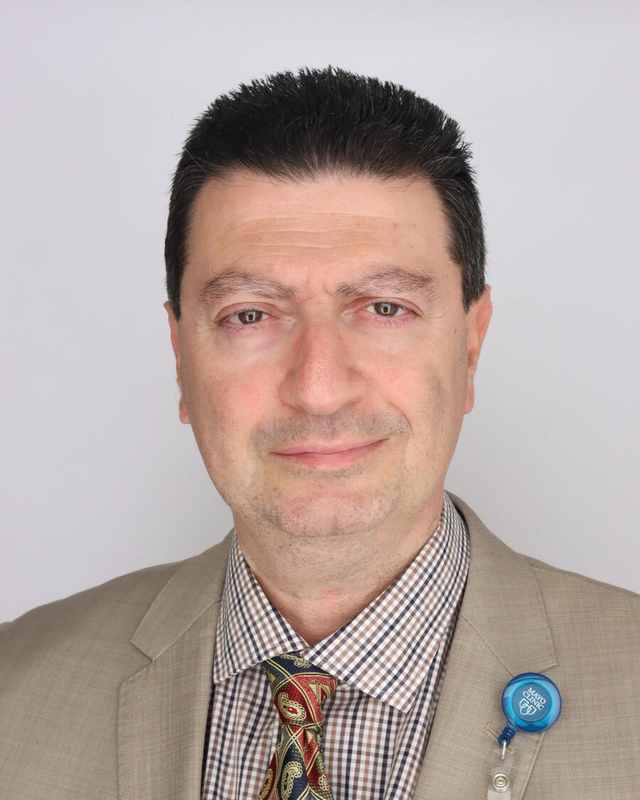 Guest: Konstantinos A. Papadakis, M.D. | Inflammatory Bowel Disease Series: Health Maintenance in Inflammatory Bowel Disease (IBD)July 15, 2025 Host: Darryl S. Chutka, M.D. Due to the complexity and new pharmacologic options for the management of inflammatory bowel disease, patients often have their care provided by a gastroenterologist. They may not see their primary care provider as often as in the past and some of their preventive health maintenance may not get performed. Are patients receiving primarily specialty care still receiving good health maintenance? Are we aware that patients with inflammatory bowel disease have some unique needs regarding their preventive health maintenance and some of the recommendations are different than the general population? These are questions I’ll be asking my guest, gastroenterologist Konstantinos A. Papadakis, M.D., from the Mayo Clinic as we discuss “Health Maintenance in Inflammatory Bowel Disease” as part of our ongoing series on Inflammatory Bowel Disease. |
Guests: | Inflammatory Bowel Disease Series: PouchitisJuly 10, 2025 Host: Darryl S. Chutka, M.D. Pouchitis is a relatively common complication in patients who have ulcerative colitis and have had a proctocolectomy with an ileal pouch-anal anastomosis. It represents inflammation of the ileal pouch and symptoms may include increased stool frequency, cramps, fecal urgency and occasionally bloody stools. The diagnosis is usually suspected from clinical symptoms and confirmed with endoscopy. Are there risk factors for the development of pouchitis? Is an endoscopy necessary for a diagnosis? How should patients be treated and how effective is treatment? These are some of the questions I’ll be asking my guests, Darrell S. Pardi, M.D., and Laura E. Raffals, M.D., both gastroenterologists at the Mayo Clinic. We’ll be discussing “Pouchitis” as part of our podcast series on “Inflammatory Bowel Disease”. |
Guests: | Inflammatory Bowel Disease Series: Microscopic ColitisJuly 8, 2025 Host: Darryl S. Chutka, M.D. Microscopic colitis is one of the lesser-known members of the inflammatory bowel disease family. Symptoms include chronic, frequent diarrhea and fecal urgency. It’s usually suspected from the patient’s clinical symptoms and diagnosis is established by colonoscopy with biopsy. Biopsy is necessary as the colonic mucosa appears normal at endoscopy. A specific cause isn’t known but it can be associated with several medications. Although it’s not typically a life-threatening condition, it can lead to weight loss and potentially dehydration. How does microscopic colitis differ from ulcerative colitis or Crohn’s Disease? Who’s at risk of developing it? Since these patients usually present to primary re providers, when should we suspect it? How is it managed, and can it be cured? These are some of the questions I’ll be asking my gucaests, Darrell S. Pardi, M.D., and Laura E. Raffals, M.D., both gastroenterologists at the Mayo Clinic. We’ll be discussing “Microscopic Colitis” as part of our ongoing series of podcasts on “Inflammatory Bowel Disease”. |
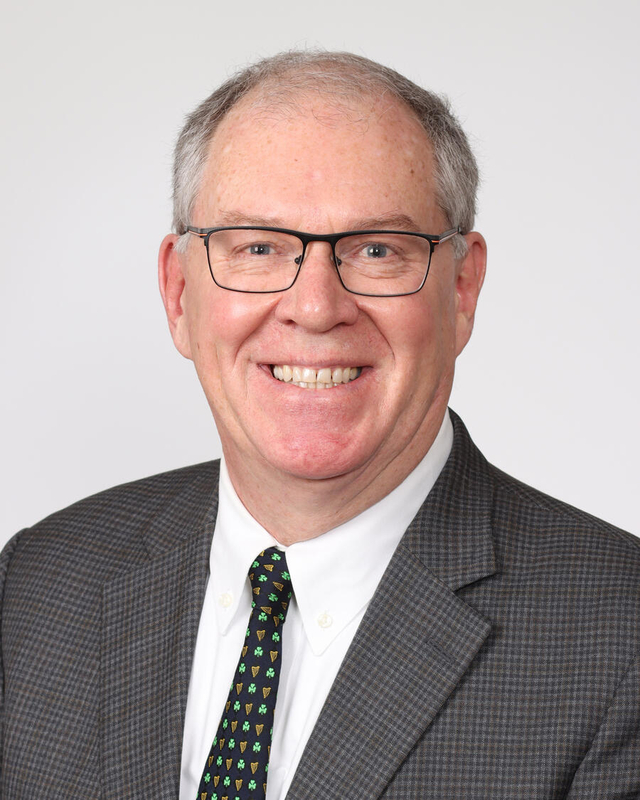 Guest: Edward V. Loftus JR, M.D. | Inflammatory Bowel Disease Series: Inflammatory Bowel Disease (IBD) and its TreatmentJuly 3, 2025 Host: Darryl S. Chutka, M.D. Inflammatory Bowel Disease is somewhat of an umbrella term for a group of chronic inflammatory conditions of the GI tract. The most common types include ulcerative colitis and Crohn’s Disease. While there are similarities between the two, there are also differences. For many individuals with inflammatory bowel disease, it’s only a mild illness. Unfortunately for some, it can lead to severe disability and potentially life-threatening complications. What are the similarities and differences between ulcerative colitis and Crohn’s? When should we suspect a patient has an inflammatory bowel disease? What’s the best way to establish a diagnosis and finally, what treatment options do we have? These are just some of the questions I’ll be asking my guest, Edward V. Loftus JR, M.D., from the Division of Gastroenterology and Hepatology at the Mayo Clinic as we discuss “Inflammatory Bowel Disease and Its Treatment”. |
Guests: | Inflammatory Bowel Disease Series: Diagnosing Inflammatory Bowel Disease (IBD) and Monitoring ModalitiesJuly 1, 2025 Host: Darryl S. Chutka, M.D. An early diagnosis of inflammatory bowel disease is important in preventing long-term complications. Prompt treatment can improve quality of life, reduce the likelihood of hospitalizations, and help maintain remissions. However, establishing a diagnosis is often challenging due to the nonspecific and fluctuating nature of symptoms. Inflammatory bowel disease can also mimic other GI conditions. In addition, diagnostic confirmation usually requires a combination of blood tests, imaging, endoscopy, and histological analysis, making the process both time consuming and complex. The topic for today's podcast is “Diagnosing Inflammatory Bowel Disease and Monitoring Modalities” and my guests are David H. Bruining, M.D., and Nayantara Coelho-Prabhu, M.B.B.S., from the Division of Gastroenterology and Hepatology at the Rochester campus of the Mayo Clinic. |
Guest: Melissa Davis, Ph.D., Director of the Institute of Translational Genomic Medicine at Morehouse School of Medicine | Genes and Your Health Series: The Impact of Ancestry on Genes and Health DisparitiesJune 26, 2025 Host: Denise M. Dupras, M.D., Ph.D. In this insightful episode, Dr. Melissa Davis delves into the profound influence of genetic ancestry on health outcomes and disparities. Her pioneering work in disparities genomics sheds light on how biological determinants intersect with systemic marginalization to exacerbate cancer health disparities. Dr. Davis discusses groundbreaking research linking ancestry to tumor biology, particularly in breast, prostate, and gynecologic cancers. This episode offers a compelling narrative on the evolving immune system's role in tumor aggressiveness and resistance to standard care, offering a new lens for addressing health inequities. |
Guests:
| Navigating the Match: What Every Medical Student Needs to KnowJune 24, 2025 Host: Darryl S. Chutka, M.D. If you’re a physician, there are several events during your medical journey that you’ll always remember, receiving your letter of acceptance for medical school, medical school graduation and Match Day. For those of you who aren’t physicians, Match Day is a very exciting day for medical students. It represents the day students learn where they’ll be doing their residency training. It’s a complicated process that uses an algorithm to match students and residency positions. But what happens if a student doesn’t match with a residency program, what are their options? What do residency programs consider when ranking the numerous student candidates? What are some common mistakes students make during the match process and how can students maximize their chances of matching with one of their top residency choices? These are questions I’ll be asking my guests, Jesse D. Bracamonte, D.O., a family physician and Associate Dean of Student Affairs at the Arizona campus of the Mayo Clinic, as well as Casey Martinez and Kiyan Heybati, both senior medical students from the Mayo Clinic Alix School of Medicine. Our topic of discussion for this podcast will be “Navigating the Match: What Every Medical Student Should Know”. |
Guest: John R. Giudicessi, M.D., Ph.D. | Genes and Your Health Series: Cardiology and GeneticsJune 19, 2025 Host: Denise M. Dupras, M.D., Ph.D. Dr. Giudicessi, a leader in cardiovascular genetics and gene therapy research, discusses the latest advancements in understanding and treating genetic arrhythmias and cardiomyopathies. This episode provides a comprehensive look at how genetics is revolutionizing cardiovascular care, empowering physicians to offer more precise, patient-centered treatments. Dr. Giudicessi’s insights underscore the transformative potential of genetic research in improving outcomes for patients with inheritable cardiovascular diseases. |
Guest: John W. Wilson, M.D. | Class 5 Tuberculosis CasesJune 17, 2025 Host: Darryl S. Chutka, M.D. Tuberculosis remains a significant health concern. Globally, in 2023, an estimated 10 million individuals developed active tuberculosis and over one million died of the disease. In the U.S., just under 10, 000 individuals in the U.S. were diagnosed with TB, representing an increase over 2022. While tuberculosis remains a treatable disease, it’s important to suspect and recognize those who may have it. A class 5 tuberculosis case is part of a TB classification system and refers to a suspected tuberculosis infection that requires further investigation. Symptoms may or may not be present and these patients may have an active TB case that could be contagious. This podcast is about class 5 tuberculosis cases, and my guest is infectious disease specialist, John W. Wilson, M.D., from the Mayo Clinic. |
Guests:
| Life as a StudentJune 10, 2025 Host: Darryl S. Chutka, M.D. Students in the various fields of medicine deal with a variety of stresses. Perhaps one of the biggest stresses is getting accepted into their respective school to begin their training. Once enrolled, they’re then provided a large amount of information to be memorized and essentially need to learn a new language. They have pressure to do well on exams and spend countless hours in study or on the wards. Many students deal with financial stresses, often graduating with a tremendous student loan debt. So, what’s life like as a student? How do students deal with these stresses? What’s the application procedure like and are there ways to increase the chances of getting accepted? Do our schools devote enough time to our students’ wellness and burn-out prevention? These are some of the questions we’ll cover in this podcast as we discuss “Life as a Student”. My three guests are all students in a variety of medical training programs. Mary Lang is a 2nd year medical student at the Mayo Alix School of Medicine after obtaining a degree in biomedical engineering. Caroline Gearin is a 2nd year physician assistant student at the Mayo Clinic School of Health Sciences and also has a bachelor’s degree in health science. Nick Winder is a 2nd year physical therapy student at the Mayo Clinic physical therapy doctoral program. |
Guest: Robert L. Scott, M.D., Ph.D. | Pulmonary HypertensionJune 3, 2025 Host: Darryl S. Chutka, M.D. Pulmonary hypertension is an important medical condition and often underrecognized in primary care. It has a variety of causes, and its most common presenting symptom is dyspnea. As primary care clinicians, we often see patients with symptoms of dyspnea and pulmonary hypertension is not a health problem we commonly encounter. Yet, early recognition and diagnosis is important and has major implications for patient outcomes. What are some clues that a patient might have pulmonary hypertension? What are its most common causes and what are the potential complications if it goes unrecognized? These are some of the questions I’ll be asking my guest, Robert L. Scott, M.D., Ph.D., from the Department of Cardiovascular Medicine at the Arizona campus of the Mayo Clinic as we discuss “Pulmonary Hypertension”. |
Guest: Jewel J. Samadder, M.D. | Genes and Your Health Series: Colon CancerMay 29, 2025 Host: Denise M. Dupras, M.D., Ph.D. In this episode of Mayo Clinic Talks, Dr. Denise Dupras interviews Dr. Jewel Samadder about colon cancer, with a focus on how genetics and family history influence cancer risk and screening strategies. Dr. Samadder emphasizes empowering primary care providers to identify patients who may benefit from genetic evaluation and early colonoscopy. He encourages clinicians to take thorough family histories and use them to guide screening strategies, helping catch cancer early — or prevent it entirely. |
Guest: Nicole Callahan, APRN, CNP, MS | Obstetric and Gynecologic Health Series: Infertility and MiscarriageMay 27, 2025 Hosts: Danielle O’Laughlin, PA-C, MS and Jenna Wygant, APRN, CNP, DNP In this episode, along with guest Nicole Callahan, APRN, CNP, MS, we explore reproductive health challenges. Starting with the different types of miscarriage—identifying their unique anatomic changes, symptoms, and outcomes. We will cover the basics of both female and male infertility, including when it’s the ideal time to refer patients for specialized care. Finally, we explore ectopic pregnancy, discussing common locations, risk factors, clinical presentation, diagnostic approach, and treatment options. Learn more about this series: Mayo Clinic Talks: Obstetric and Gynecologic Health | Mayo Clinic School of Continuous Professional Development |
| Genes and Your Health Series: Harnessing the Power of T-Cells for the Treatment of Cancer and Immune Related DiseasesMay 22, 2025 Host: Denise M. Dupras, M.D., Ph.D. Dr. Saad Kenderian discusses the use of CAR-T cell therapy, a groundbreaking treatment that genetically modifies a patient's T-cells to target and destroy cancer cells, particularly in blood cancers like leukemia and lymphoma. He highlights the importance of identifying eligible patients, monitoring treatment response, and applying genomics to guide the future of personalized cancer immunotherapy. |
Guest: Jenna Wygant, APRN, CNP, DNP | Obstetric and Gynecologic Health Series: Vaginal ConditionsMay 20, 2025 Host: Danielle O’Laughlin, PA-C, MS In this episode, Jenna Wygant, APRN, CNP, DNP, walks listeners through the most common types of vaginitis, helping providers to confidently differentiate between them. We’ll explore the definitions, causes, risk factors, signs and symptoms, as well as diagnostic methods and treatment options for each condition. Comparing the features of these common vaginitis conditions will be emphasized throughout the episode. Learn more about this series: Mayo Clinic Talks: Obstetric and Gynecologic Health | Mayo Clinic School of Continuous Professional Development |
Guest: Jenna Johnson, APRN, CNP, DNP | Obstetric and Gynecologic Health Series: Vulvar ConditionsMay 15, 2025 Host: Danielle O’Laughlin, PA-C, MS and Jenna Wygant, APRN, CNP, DNP In this episode, we focus on understanding and differentiating common vulvar conditions with guest Jenna Johnson, APRN, CNP, DNP. We will cover how to recognize conditions such as risk factors, signs and symptoms, and gain insight into how these conditions are diagnosed and treated. We’ll also highlight helpful ways to compare these common vulvar health conditions. Learn more about this series: Mayo Clinic Talks: Obstetric and Gynecologic Health | Mayo Clinic School of Continuous Professional Development |
Guest: Jenna Wygant, APRN, CNP, DNP | Obstetric and Gynecologic Health Series: ContraceptionMay 13, 2025 Host: Danielle O’Laughlin, PA-C, MS Guest, Jenna Wygant, APRN, CNP, DNP, joins us to explore the full spectrum of contraception options - from natural family planning to non-hormonal and hormonal methods. For each type of contraception, an understanding of how each type works, their efficacy, and the potential risks and benefits will be covered. We also break down the different types of emergency contraception and considerations to review when consulting with patients. Learn more about this series: Mayo Clinic Talks: Obstetric and Gynecologic Health | Mayo Clinic School of Continuous Professional Development |
Guest: Jissy Cyriac, M.D. | Obstetric and Gynecologic Health Series: Menstrual Cycle and MenopauseMay 8, 2025 Host: Danielle O’Laughlin, PA-C, MS and Jenna Wygant, APRN, CNP, DNP In this episode, guest Jissy Cyriac, M.D., will walk us through the complexities of menstrual health by comparing a normal menstrual cycle with the key causes of abnormal uterine bleeding and menopause. Recognizing the signs, symptoms, and treatment options for conditions like endometriosis, adenomyosis, and endometrial hyperplasia. Plus, we’ll highlight essential buzzwords, the gold-standards and helpful ways to help solidify understanding of key aspects of gynecologic health for menstrual cycles, abnormal uterine bleeding causes, and menopause. Learn more about this series: Mayo Clinic Talks: Obstetric and Gynecologic Health | Mayo Clinic School of Continuous Professional Development |
Guest: Danielle O’Laughlin, PA-C, MS | Obstetric and Gynecologic Health Series: Benign Inflammatory Breast ConditionsMay 6, 2025 Host: Danielle O’Laughlin, PA-C, MS and Jenna Wygant, APRN, CNP, DNP In this episode, along with host/guest Danielle O’Laughlin, PA-C, MS, we will discuss benign, inflammatory breast conditions. We will cover how to differentiate between common issues such as mastitis, breast abscess, fat necrosis, galactorrhea, and gynecomastia. We’ll walk through the key signs and symptoms to watch for and explore how each condition is diagnosed and treated. This episode offers valuable insights into these non-cancerous yet very important conditions. Learn more about this series: Mayo Clinic Talks: Obstetric and Gynecologic Health | Mayo Clinic School of Continuous Professional Development |
Guests: | Barrett’s EsophagusApril 29, 2025 Host: Darryl S. Chutka, M.D. Occasional heartburn from gastroesophageal reflux is usually nothing more than an occasional nuisance for most patients. However, when the reflux becomes chronic, it can become more serious. One complication is Barrett’s esophagus. On occasion, Barrett’s can develop into esophageal adenocarcinoma, an aggressive malignancy with a survival rate of only around 20% at 5 years. Although usually seen in those with chronic acid reflux, Barrett’s can occasionally occur in those without any clinical evidence of acid reflux. When should a patient with acid reflux receive an upper endoscopy? What’s the significance of finding Barrett’s esophagus on an endoscopy? How often does Barrett’s develop into esophageal cancer and does treatment prevent this from happening? In this podcast, these are just some of the questions I’ll be asking our guests, Cadman L. Leggett, M.D., and Chamil C. Codipilly, M.D., both from the Division of Gastroenterology and Hepatology at the Mayo Clinic as we discuss Barrett’s Esophagus. |
| Guest: Michael Zimmer, Ph.D., Director of Rare Diseases at Moderna Therapeutics | Genes and Your Health Series: mRNA: What it is, What it Does, and Hope in Rare DiseasesApril 24, 2025 Host: Denise M. Dupras, M.D., Ph.D. This episode of Genes & Your Health welcomes Dr. Michael Zimmer from Moderna Therapeutics, who discusses how mRNA technology is being applied to treat rare genetic diseases, especially liver-based metabolic disorders. Dr. Zimmer explains how mRNA can help the body produce missing proteins, the challenges of delivering these therapies, and the promise they hold for previously untreatable conditions. |
Guest: John Haney, M.D., M.P.H. | Transplantation Series: Lung TransplantationApril 22, 2025 Host: Darryl S. Chutka, M.D. Lung transplantation remains a very viable option for patients with end-stage pulmonary disease who no longer respond to medical management. Over 5,000 lung transplants are performed annually around the world. However, its estimated that over 10 times this number are candidates and awaiting a transplant. A shortage of organs remains the major limiting factor. What are the common indications and who’s a candidate for a lung transplant? How are patients prioritized and chosen? What advances have been made in the field and what challenges remain? Finally, what role does the primary care clinician play in lung transplantation? I’ll be discussing these questions and more with my guest, Jack Haney, M.D., M.P.H., chair of cardiothoracic surgery at the Jacksonville campus of the Mayo Clinic. The topic for this podcast is “Lung Transplantation”. Learn more about this Transplant Series: Mayo Clinic Talks: Donate Life: Transplantation Series | Mayo Clinic School of Continuous Professional Development Connect with Mayo Clinic’s Transplant Center online at https://mayoclinic.org/transplant or on X @MayoTransplant. To learn more and register to be an organ donor please visit https://careinfo.mayoclinic.org/organ-donation. |
Guests:
| Genes and Your Health Series: Microbiome Wellness Index 2April 17, 2025 Host: Denise M. Dupras, M.D., Ph.D. This episode of Genes & Your Health presents the results of the Gut Microbiome Wellness Index 2 study, which examines the differences between the gut microbiomes of healthy and disease-affected populations. Drs. Nelson and Sung discussed a potential future where a stool gut microbiome profile could be used as a barometer of general gut health and outlined how the microbiome can be altered and used to predict overall health. They also covered factors that can contribute to returning the gut microbiome to healthy status after a disruption. My guests for this podcast are Heidi Nelson, M.D., Emeritus Chair of the Department of Surgery and past Chair of the Division of Colon & Rectal Surgery at Mayo Clinic in Rochester and Jaeyun Sung, Ph.D., Associate Professor of Biomedical Informatics and Senior Associate Consultant II in the Department of Quantitative Health Sciences, Mayo Clinic Rochester |
Guest: Julie K. Heimbach, M.D. | Transplantation Series: What's New in Organ Transplantation SurgeryApril 15, 2025 Host: Darryl S. Chutka, M.D. In 2024, over 48,000 organ transplants were performed in the U.S., representing an increase over the number performed the year before. There was also an increase in the number of transplants performed internationally, offering hope to patients worldwide with organ failure. Significant advancements have been made in the field of organ transplantation, and this is responsible for the success of the organ transplantation program. What are some of the major milestones that have taken place since the initial organ transplant? How has technology improved the success of an organ transplanted? What role will xenotransplantation, or transplantation of animal organs play in the future? These are some of the questions I’ll be asking my guest, Julie K. Heimbach, M.D., transplant surgeon and director of the Transplant Center at the Mayo Clinic. The topic for this podcast is “What’s New in Transplant Surgery?” Learn more about this Transplant Series: Mayo Clinic Talks: Donate Life: Transplantation Series | Mayo Clinic School of Continuous Professional Development Connect with Mayo Clinic’s Transplant Center online at https://mayoclinic.org/transplant or on X @MayoTransplant. To learn more and register to be an organ donor please visit https://careinfo.mayoclinic.org/organ-donation. |
Guest: Rohan M. Goswami, M.D. | Transplantation Series: AI in Transplantation MedicineApril 10, 2025 Host: Darryl S. Chutka, M.D. The benefits of artificial intelligence or AI are just beginning to be recognized. AI has the potential to improve productivity and efficiency in the workplace, reduce errors and help sort out complex issues. The field of healthcare is finding roles for AI by improving the management of patient data, enhancing clinical decision making and assisting in medical imaging analysis. The integration of AI in transplantation medicine is evolving and has the potential to revolutionize the field. Can AI assist in organ matching and allocation? Can it predict graft survival and organ rejection? What ethical concerns does AI bring to the specialty? I’ll be discussing these issues in this podcast as we tackle the topic of “AI in Transplantation Medicine”. My guest for this podcast is Rohan M. Goswami, M.D., a cardiologist and specialist in Transplant Medicine from the Mayo Clinic. Learn more about this Transplant Series: Mayo Clinic Talks: Donate Life: Transplantation Series | Mayo Clinic School of Continuous Professional Development Connect with Mayo Clinic’s Transplant Center online at https://mayoclinic.org/transplant or on X @MayoTransplant. To learn more and register to be an organ donor please visit https://careinfo.mayoclinic.org/organ-donation. |
| Transplantation Series: Cardiac TransplantationApril 8, 2025 Host: Darryl S. Chutka, M.D.
The world’s first human-to-human heart transplant was performed in 1967 and represented a significant breakthrough for medical science. Although the transplant patient only survived 18 days, it was still a historic event. Since this initial heart transplant, significant improvements have been made in the field of organ transplantation and currently, approximately 5000 heart transplants are performed annually. Unfortunately, over ten times this number could benefit from the procedure. What’s the limiting factor in the number of heart transplants performed? What are the current criteria of eligibility for a heart transplant? What are some of the improvements in the field of cardiac transplant surgery? I’ll get answers to these questions and more from my guest, Ruben J. Crespo-Diaz, M.D., Ph.D., from the Department of Cardiovascular Medicine at the Mayo Clinic. The topic for this podcast is “Cardiac Transplant”. Learn more about this Transplant Series: Mayo Clinic Talks: Donate Life: Transplantation Series | Mayo Clinic School of Continuous Professional Development Connect with Mayo Clinic’s Transplant Center online at https://mayoclinic.org/transplant or on X @MayoTransplant. To learn more and register to be an organ donor please visit https://careinfo.mayoclinic.org/organ-donation. |
Guests:
| Transplantation Series: Pancreas TransplantationApril 3, 2025 Host: Darryl S. Chutka, M.D. At this time, about 11% of the population in the U.S. has diabetes. This represents nearly 40 million people. And this number is increasing, not only in the U.S. but around the world. Although we have more medical options now than ever before for managing diabetes, the treatment is less than optimal. Another option is a pancreas transplant. What’s the status of pancreatic transplantation? Who’s a candidate for the procedure? How effective is it and what does the future hold for the procedure? The topic for this podcast is “Pancreas Transplantation” and I’ll be discussing these questions with Nitin N. Katariya, M.D., a transplant surgeon and Lavanya Kodali, M.B.B.S., M.D., a nephrologist and specialist in renal transplant, both from the Arizona campus of the Mayo Clinic. Learn more about this Transplant Series: Mayo Clinic Talks: Donate Life: Transplantation Series | Mayo Clinic School of Continuous Professional Development Connect with Mayo Clinic’s Transplant Center online at https://mayoclinic.org/transplant or on Twitter @MayoTransplant To learn more and register to be an organ donor please visit https://careinfo.mayoclinic.org/organ-donation. |
Guest: C. Burcin Taner, M.D. | Transplantation Series: Expanded Donor Criteria for Organ TransplantationApril 1, 2025 Host: Darryl S. Chutka, M.D. Recently, the criteria for organ donors have expanded in order to address the increasing difference between the number of available organs and the demand for transplants. Advancements in medical technology, a better understanding of transplant immunology, and the improvement of transplant surgery techniques have allowed for the inclusion of a greater pool of donors with various health conditions, which excluded them as donors in the past. Understanding the delicate balance between expanding the criteria for transplantation and maintaining a high quality of life for the recipients has been important in advancing the field of organ transplantation. The topic for this podcast is “Expanded Donor Criteria for Organ Transplantation” and my guest is C. Burcin Taner, M.D., Professor of Surgery and Chair of the Department of Transplantation at the Florida campus of the Mayo Clinic. Learn more about our Transplant Series: Mayo Clinic Talks: Donate Life: Transplantation Series | Mayo Clinic School of Continuous Professional Development Connect with Mayo Clinic’s Transplant Center online at https://mayoclinic.org/transplant or on X (formerly Twitter) @MayoTransplant To learn more and register to be an organ donor please visit https://careinfo.mayoclinic.org/organ-donation. |
Guest: Amir R. Khan, M.D. | Clearing the Fog on CataractsMarch 25, 2025 Host: Darryl S. Chutka, M.D. Although cataracts are typically seen in middle age and older individuals, they can occur at any age. They represent one of the leading causes of impaired vision and blindness worldwide. They typically develop slowly, and most patients aren’t often aware of symptoms until they’ve have progressed significantly. Fortunately, there’s very effective treatment available which can restore a patient’s vision. In today’s podcast, we’ll discuss cataracts, their symptoms and management with Amir R. Khan, M.D., an ophthalmologist at the Mayo Clinic. |
| Tuberculosis (TB) in ChildrenMarch 24, 2025 Host: Darryl S. Chutka, M.D. Each year, we recognize World TB Day on March 24. This annual event commemorates the date in 1882 when Dr. Robert Koch announced his discovery of Mycobacterium tuberculosis, the bacillus that causes tuberculosis (TB). World TB Day is a day to educate the public about the impact of TB around the world. The CDC, along with our partners and colleagues around the world, share successes in TB prevention and control and raise awareness of the challenges that hinder our progress toward the elimination of this devastating disease. Tuberculosis continues to be a global health concern. Despite being preventable and very treatable, this disease continues to cause suffering and death. It accounted for an estimated one and a quarter million deaths worldwide in 2023. In the United States, cases have been increasing over the past several years, and this is also true in children, especially in those under the age of 5 years. What are the common risk factors for tuberculosis in children? Is the disease different in children compared to adults? What should we, as a primary care provider do when we suspect tuberculosis in a young patient? These are some of the questions I’ll be asking my guest for this podcast, James T. Gaensbauer, M.D., M.S., a pediatric infectious disease specialist at the Mayo Clinic as we discuss “Tuberculosis in Children”. |
Guest: Jason Ewoldt, M.S., RDN | The Human Optimization Project: Understanding Calories | What They Are, What They Do, and How to Get Them RightMarch 20, 2025 Host: Christopher L. Camp, M.D. There aren’t many words out there than can conjure up emotions, confusion, and frustration quite like the word we are discussing today, and that word is “calories.” However, a discussion on calories doesn’t have to be so complex and loaded with this unnecessary baggage. Today, we are going to bring clarity to the topic by focusing on what you really need to know from both a scientific and practical perspective. In addition to better understanding what they are, we will discuss ways to help you know what your body’s caloric needs are for losing weight or maintaining a healthy weight. Finally, we will discuss practical strategies that help you achieve your fitness and health goals. The three big questions we will tackle in this episode are: To help us answer these questions, my guest today is Jason Ewoldt M.S., RDN, who is a registered and licensed dietician and certified sports specialist dietician at Mayo Clinic. Learn more about The Human Optimization Project: Mayo Clinic Talks: Human Optimization | Mayo Clinic School of Continuous Professional Development |
Guest: Darryl S. Chutka, M.D. | The Human Optimization Project: Moving From Stress to Joy | How to Cultivate Happiness and Joy at Home and WorkMarch 18, 2025 Host: Christopher L. Camp, M.D. We would all be open to the idea of a little less stress in our lives, especially if we can fill that with joy and happiness. For most of us, this holds true for both our personal and professional lives. But in this age of increasing pressure, demands, expectations, and deadlines, is that even a realistic expectation? Today we are going to dive deep into the meaning of joy, why so many of us don’t get enough, and how that is impacting our overall lives. In addition to that, we will discuss some intentional strategies for replacing stress with joy to help us become our best selves. The three big questions we will tackle in this episode are: To help us answer these questions, my guest today is Darryl S. Chutka, M.D., General Internal Medicine Physician at Mayo Clinic and the host of the Mayo Clinic Talks Podcast. Learn more about The Human Optimization Project: Mayo Clinic Talks: Human Optimization | Mayo Clinic School of Continuous Professional Development |
Guest: Christina K. Zorn | The Human Optimization Project: Creating Winning Cultures | Building and Maintaining an Optimal Culture for Teams and IndividualsMarch 13, 2025 Host: Christopher L. Camp, M.D. “Culture” is a word that gets a lot of attention, and deservedly so! It is often thought of as the lifeblood of an organization. However, many of us don’t think about the fact that “culture” doesn’t just exist at the level of large organizations. Culture exists for smaller groups, teams, families, and even individuals. In today’s episode, we will work to define “culture”, discuss its impact on groups (large and small) and individuals, provide real world examples of the impact of culture, and discuss ways of optimizing culture in both the workplace and at home. The three big questions we will tackle in this episode are: To help us answer these questions, my guest today is Christina K. Zorn, who is the Chief Administrative Officer of Mayo Clinic. Learn more about The Human Optimization Project: Mayo Clinic Talks: Human Optimization | Mayo Clinic School of Continuous Professional Development |
Guest: Mary Ann Djonne, M.Ed. | The Human Optimization Project: Emotional Intelligence Explained | How to Recognize, Understand, and Use Your Emotions to Be a More Effective HumanMarch 11, 2025 Host: Christopher L. Camp, M.D. Most of us have heard the term “Emotional Intelligence,” and we understand that it’s generally important to our happiness and interpersonal relationships. However, most of us aren’t able to define it precisely or understand the key components that make it up. While many may think they do a good job of evaluating the emotional intelligence of others, it can be quite difficult to objectively evaluate our own levels of emotional intelligence. Once we better understand our own emotional intelligence, then comes the very challenging task of trying to improve it in a meaningful way. All of this can seem quite daunting, so we are going to help with that. The three big questions we will tackle in this episode are: To help us answer these questions, my guest today is Mary Ann Djonne, Professional Certified Executive Coach and Senior Advisor in Work Force Learning at Mayo Clinic. Learn more about The Human Optimization Project: Mayo Clinic Talks: Human Optimization | Mayo Clinic School of Continuous Professional Development |
Guest: Andrea Hayden MS, RSCC | The Human Optimization Project: Exercise Simplified | Essential Components of the Ideal Workout PlanMarch 6, 2025 Host: Christopher L. Camp, M.D. The amount of “exercise” information, recommendations, plans, and opinions out there is greater than it’s ever been. Although our increasing knowledge is generally helpful, it’s easy to get lost in the rapidly evolving sea of information. This is particularly true because much of the information we hear is contradictory, and many people claim to have the perfect (and only) answer for us. Our goal for today is to help you cut through all of this noise and focus on what you really need to know to establish a successful workout routine for yourself. The three big questions we will tackle in this episode are: To help us answer these questions, my guest today is the Head Sports Performance Coach for the Minnesota Lynx WNBA Basketball Team, Andrea Hayden MS, RSCC. Learn more about The Human Optimization Project: Mayo Clinic Talks: Human Optimization | Mayo Clinic School of Continuous Professional Development |
Guest: Christopher L. Camp, M.D. | The Human Optimization Project: The Challenging but Achievable Quest for Accomplishing More While Also Improving WellnessMarch 4, 2025 Host: Darryl S. Chutka, M.D. Being a healthcare clinician is an extremely rewarding occupation, but it can be stressful. Every year, we’re asked to do more and more, the patients seem to get more challenging, and we get less time to spend with each one. A significant number of clinicians report emotional and psychological distress, and burnout remains a major problem in healthcare providers. This increased stress and pressure is not just unique to physicians, and these struggles are common for all of us, regardless of career or position. How do we remain in an optimally functioning state? Does our physical health affect our cognitive function? Given the obstacles we face, how do we continue to achieve joy and happiness in our work and our life while continue to meet the ever-growing demands of the world? These are questions my guest is hoping to answer in a project he’s about to undertake on “Human Optimization”. My guest for this podcast is Christopher L. Camp, M.D., an orthopedic surgeon and sports medicine specialist at the Mayo Clinic. We’re going to discuss his project and why he decided to tackle this important topic. Learn more about The Human Optimization Project: Mayo Clinic Talks: Human Optimization Project | Mayo Clinic School of Continuous Professional Development |
Guest: Carrie L. Langstraat, M.D. | The Evaluation and Management of Adnexal MassesFebruary 25, 2025 Host: Darryl S. Chutka, M.D. It’s estimated that up to 10% of women in the U.S. will develop an adnexal mass at some point in their life. Whereas most adnexal masses are gynecologic in origin, they may also represent disease of the urinary or GI system. Although adnexal masses may produce symptoms, when present, they tend to be subtle and non-specific. What questions should we be asking our patients with an adnexal mass to help determine its cause? What components of the physical exam may be useful in the evaluation and what tests should we order to further characterize adnexal masses? These are questions I’ll be asking our guest for this podcast as we discuss “The Evaluation and Management of Adnexal Masses”. My guest is Carrie L. Langstraat, M.D., from the Department of Obstetrics and Gynecology at the Mayo Clinic. |
| Heart Health Edition: Pharmacologic Options to Maintain a Healthy HeartFebruary 20, 2025 Host: Darryl S. Chutka, M.D. Like an automobile engine, our heart runs longer and better when it’s well cared for. In our last podcast, we reviewed the various lifestyle changes our patients can make which benefit the heart and keep it healthy. We’re going to continue that discussion in this podcast and concentrate on the pharmacologic options we have available. Which statin should we use? How do we manage the statin intolerant patient? Does Co-Q10 give benefit? These are questions I’ll be asking my guest, Thomas C. Gerber, M.D., Ph.D., a preventive cardiologist from the Department of Cardiovascular Diseases at the Mayo Clinic as discuss “Pharmacologic Options to Maintain a Healthy Heart.” |
| Heart Health Edition: Primary Prevention - How to Keep Your Heart HealthyFebruary 18, 2024 Host: Darryl S. Chutka, M.D. The heart is an amazing organ. At rest, the average heart beats approximately 4500 times per hour, slightly over 100,000 times per day. It’s quite a reliable organ and unlike our kidneys, lungs and eyes, we only have one heart. We expect a lot from it, if it stops working for even a minute, everything else in our body shuts down. Like an automobile engine, it runs longer and better if it’s well cared for. What can we recommend to our patients and what can we do for ourselves to keep the heart healthy? My guest for today’s podcast is Thomas C. Gerber, M.D., Ph.D., a preventive cardiologist from the Department of Cardiovascular Diseases at the Mayo Clinic and we’re going to discuss preventive strategies to maintain a healthy heart. |
Guest: Jeffrey B. Geske, M.D. | Heart Health Edition: Hypertrophic Cardiomyopathy (HCM)February 13, 2025 Host: Darryl S. Chutka, M.D. Hypertrophic cardiomyopathy affects 1 in 500 adults or about 600,000 individuals in the U.S. and represents the most common inherited cardiomyopathy. It often goes undetected, and it’s estimated that about 85% of those with the condition remain undiagnosed. HCM can produce a variety of symptoms, the most serious being sudden death. The topic for this podcast is Hypertrophic Cardiomyopathy. What are the clues that might make us suspect a patient has HCM and how should we confirm the diagnosis? Are we able to prevent sudden death in patients with the condition and finally, what is the most effective treatment? I’ll asking these questions of my guest, Jeffrey B. Geske, M.D., from the Department of Cardiovascular Diseases at Mayo Clinic. |
| Heart Health Edition: Cardiac RehabilitationFebruary 11, 2025 Host: Darryl S. Chutka, M.D. Heart disease is the leading cause of death in the United States as well as globally. It’s estimated that over 700,000 individuals in the U.S. die annually from some form of cardiac conditions, most often coronary heart disease. Cardiac rehabilitation is often recommended to our patients who have a variety of cardiac health problems, and it’s intended to improve this mortality rate. But what exactly is cardiac rehabilitation? Who’s a candidate for it? Who’s qualified to supervise a cardiac rehab program and has it been proven to reduce mortality? I’ll be getting answers to these questions as we discuss “Cardiac Rehabilitation”. My guest for this podcast is Francisco Lopez-Jimenez, M.D., M.S., a preventive cardiologist from the Department of Cardiovascular Diseases at the Mayo Clinic. |
Guest: Sandra J. Taler, M.D | Heart Health Edition: Lowering Blood PressureFebruary 6, 2025 Host: Darryl S. Chutka, M.D. Hypertension is an extremely common health problem, affecting at least half of all adults in the United States. Since it’s typically asymptomatic, a significant number of individuals are unaware that they have the condition. In those who are aware of the diagnosis, the majority have blood pressures that are not adequately controlled. Once we’ve established that a patient has hypertension and needs treatment, how should we start? What are effective lifestyle changes? When is pharmacologic therapy indicated and what are the recommended medications for the initial management of hypertension? We’ll be discussing these topics and more as we review the topic “Lowering Blood Pressure”. My guest for this podcast is nephrologist and hypertension specialist Sandra J. Taler, M.D., from the Mayo Clinic. |
Guest: Sharonne N. Hayes, M.D. | Heart Health Edition: Heart Disease in WomenFebruary 4, 2025 Host: Darryl S. Chutka, M.D. We tend to think of heart disease as a health problem for men, yet it’s the leading cause of death for women in the United States and is responsible for over 1/3 of all deaths in women each year, more than all malignancies combined. Women tend to have more atypical symptoms and often delay seeking help when they have symptoms. As clinicians, we need to realize that we commonly underdiagnose heart disease in women. How do the symptoms of heart disease differ in women compared to men? Do women have different cardiovascular disease risk factors than men? And as health care clinicians, what do we need to do to be more aware of heart disease in our female patients? I’ll be asking these questions of my guest for this podcast as we discuss “Heart Disease in Women”. My guest is Sharonne N. Hayes, M.D., a cardiologist at the Mayo Clinic. |
| Perioperative Medical AssessmentJanuary 28, 2025 Host: Darryl S. Chutka, M.D. Some patients about to have a surgical procedure will have a preoperative assessment completed by the anesthesiologist on the day of the surgery. However, in many cases, patients are having an evaluation at a perioperative clinic, well prior to their procedure. Although this results in an additional visit for the patient, there are advantages to this approach. Benefits include improvements in hospital efficiency, cost savings from shorter hospital stays and more appropriate use of laboratory tests. So, what does a perioperative assessment consist of? Do they assist the surgeon in their postoperative management of the patient, and does it result in better clinical outcomes? This podcast will address the perioperative medical assessment, and these are some of the questions I’ll be asking my guest, Chris R. Stephenson, M.D., M.H.P.E., from the Division of General Internal Medicine at the Mayo Clinic. |
Rosanne M. Boser
Jonathan L. Verhelst, CFP(R) | Life as a Physician Edition: Part 2 "Financial Well-Being"January 23, 2025 Financial solvency and independence are relevant for all individuals, though physicians have unique aspects to financial health due to a long training period, education expenses, and lack of formal financial instruction. On today’s podcast, we discuss the most common conundrums physicians face regarding financial literacy and financial well-being. Life as a Physician Edition: Part 1 "Financial Well-Being"January 21, 2025 Hosts: Sanj Kakar, M.D. and Dawn Marie R. Davis, M.D. Financial solvency and independence are relevant for all individuals, though physicians have unique aspects to financial health due to a long training period, education expenses, and lack of formal financial instruction. On today’s podcast, we discuss the most common conundrums physicians face regarding financial literacy and financial well-being. Be sure to listen to Part 2 of this topic airing this Thursday, January 23, 2025! |
| Life as a Physician Series: Part 2 "Mentorship and Sponsorship"January 16, 2025 Part 2 of Mentorship and Sponsorship. Healthcare takes a village, not only to care for patients, but also to maximize one’s potential as a physician. On today’s podcast, we will discuss the importance of mentorship and sponsorship for professional and personal growth and success.
Life as a Physician Series: Part 1 "Mentorship and Sponsorship"January 14, 2025 Hosts: Sanj Kakar, M.D. and Dawn Marie R. Davis, M.D. Healthcare takes a village, not only to care for patients, but also to maximize one’s potential as a physician. On today’s podcast, we will discuss the importance of mentorship and sponsorship for professional and personal growth and success. Stay tuned as Part 2 of "Mentorship and Sponsorship" releases this Thursday, January 16, 2025! |
Deborah J. Lightner, M.D.
Edward T. Creagan, M.D. | Life as a Physician Series: Part 2 "Retiring Gracefully: Life After Medicine"January 9, 2025 Hosts: Sanj Kakar, M.D. and Dawn Marie R. Davis, M.D. Part 2 of Retiring Gracefully: Life After Medicine A career in medicine is rewarding and challenging. It is imperative physicians are prepared to transition to life beyond medicine as they consider retirement. In this episode of our series, "Life as a Physician", we will discuss the transition to retirement, life after retirement, and how it impacts one’s personal and professional life.
Life as a Physician Series: Part 1 "Retiring Gracefully: Life After Medicine"January, 7, 2025 Hosts: Sanj Kakar, M.D. and Dawn Marie R. Davis, M.D. A career in medicine is rewarding and challenging. It is imperative physicians are prepared to transition to life beyond medicine as they consider retirement. In this episode of our series, "Life as a Physician", we will discuss the transition to retirement, life after retirement, and how it impacts one’s personal and professional life. |
Guest: Jacob K. Dey, M.D. | Bell's PalsyJanuary 2, 2025 Host: Darryl S. Chutka, M.D. Bell’s Palsy typically causes acute unilateral weakness of the facial muscles. Although it can occur at any age, Its most common in middle age and older adults. It tends to occur more often in females, especially during pregnancy. Although most cases resolve with time, treatment is available and recommended. The topic of this podcast is Bell’s Palsy, and my guest is Jacob Dey, M.D., a facial plastic surgeon in the Division of Facial Plastic & Reconstructive Surgery in the Department of Otolaryngology/Head & Neck Surgery at the Mayo Clinic. We’ll discuss the pathophysiology of Bell’s Palsy, the typical course of the illness, it’s potential complications and the various treatment options. |