 Facebook
 X
X LinkedIn
 Forward
The Vascular Medicine Series is a podcast series that explores the evolving practice of vascular medicine through in-depth conversation with leading experts from Mayo Clinic. Each episode focuses on a specific condition or challenge, offering listeners practical insight, evidence-based recommendations, and updates on the latest breakthroughs. From hereditary aortic aneurysms to venous thrombosis, this series highlights innovative approaches and clinical strategies that can be applied in everyday practice. By bringing together diverse voices across the spectrum of medical and surgical vascular care, the Vascular Medicine podcast series helps illuminate the complexities of diagnosis, treatment, and long-term patient management.
Listening is free and no CME Credit is available for this series.
Mayo Clinic Talks is a podcast series targeted to the primary care clinician community.
Listen on your favorite podcast app below.




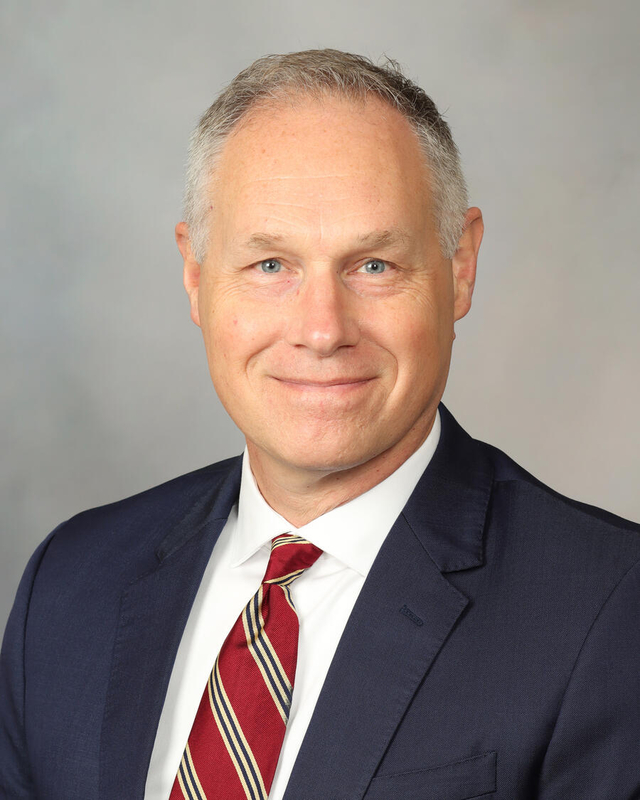 Guest: Matthew (Mark) Melin, M.D. | Vascular Medicine Series: Vascular Wound TreatmentsSeptember 23, 2025 Host: Darryl S. Chutka, M.D. Vascular wounds can be quite challenging. If untreated, they can lead to infection, even sepsis, hospitalization and occasionally, amputation. Effective treatment requires an accurate diagnosis and recognition of the specific type of vascular wound you’re dealing with. Even when the type of wound is correctly identified and is being treated appropriately, healing can be slow. What diagnostic tools are available to help us? How does a venous insufficiency ulcer differ from an arterial ulcer? What’s the best treatment for these wounds and when should we refer our patient to a vascular specialist? The topic for this podcast is “Vascular Wound Treatments” and these are some of the questions I’ll be asking my guest, Matthew (Mark) Melin, M.D., a vascular specialist from the Department of Cardiovascular Medicine at the Mayo Clinic. |
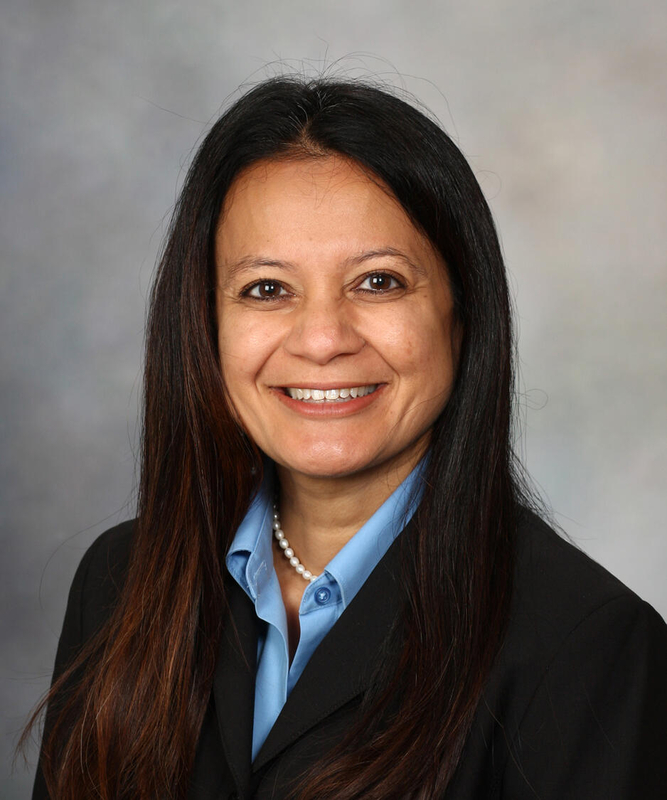 Guest: Neha P. Raukar, M.D., M.S. | Claiming Your Voice and Why Women in Medicine Need a Clear Professional NarrativeSeptember 19, 2025 Host: Darryl S. Chutka, M.D. Women in medicine have made significant strides over the past few decades, yet some still face a variety of challenges and barriers. They commonly encounter inequalities that can affect their professional growth and overall well-being. Common issues include pay disparity, underrepresentation in leadership positions and gender discrimination, just to name a few. Some medical specialties tend to be male-dominated and can be less welcoming to women. As a result, women physicians have higher rates of professional burnout and often experience a less satisfying career. My guest for this podcast is Neha P. Raukar, M.D., M.S., an emergency medicine physician at the Mayo Clinic. The topic we’ll be discussing is “Claiming Your Voice and Why Women in Medicine Need a Clear Professional Narrative”. |
Guests: Haraldur Bjarnason, M.D. 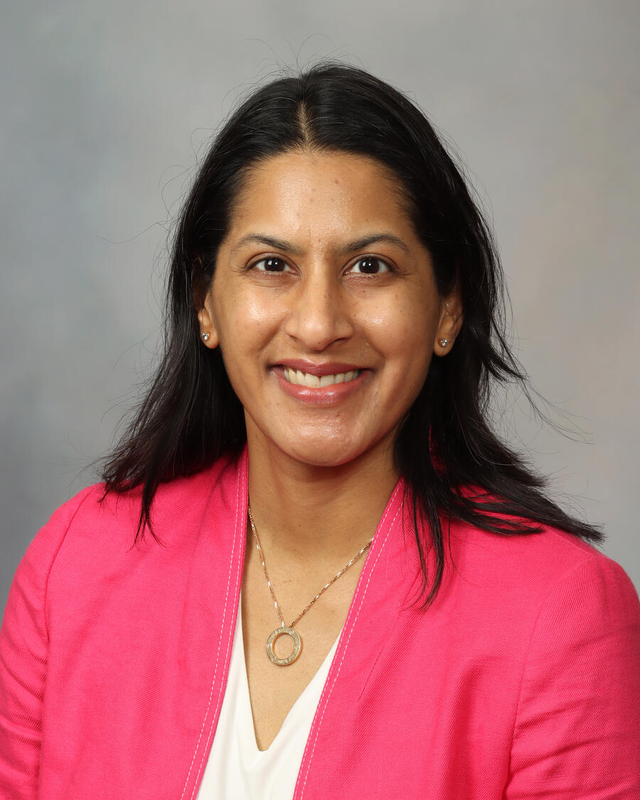 Megha M. Tollefson, M.D. | Vascular Medicine Series: Vascular MalformationsSeptember 18, 2025 Host: Darryl S. Chutka, M.D. Vascular malformations are anomalies of vessels that can cause a variety of potentially serious health problems depending on their type, location, and size. They may involve arterial, venous or lymphatic vessels. They’re often progressive and may enlarge over time. They’re best diagnosed with one or more imaging studies and the treatment depends on the type of vascular malformation. Management usually requires a multi-disciplinary approach in order to be most effective. What are the most common types of vascular malformations? What organs are typically involved? What are some of the more serious medical complications they may cause and how should we manage them? The topic for this podcast is “Vascular Malformations” and these are questions I’ll be asking my guests, Haraldur Bjarnason, M.D., an interventional and vascular radiologist and Megha M. Tollefson, M.D., a dermatologist, both from the Mayo Clinic. |
Guests: | Vascular Medicine Series: Thoracic Outlet SyndromeSeptember 16, 2025 Host: Darryl S. Chutka, M.D. Thoracic outlet syndromes is a great masquerader and often mistaken for a variety of other health conditions including cervical radiculopathy, carpal tunnel syndrome, rotator cuff injury or even multiple sclerosis. It has several causes which account for the variety of its clinical presentations. Because of this, the diagnosis is commonly delayed or diagnosed incorrectly. Yet, it’s crucial to establish an early and accurate diagnosis as this can prevent potential progression of neurologic damage or in some cases life-threatening vascular complications. It also prevents unnecessary treatments and inappropriate interventions. The topic for this podcast is “Thoracic Outlet Syndrome” and my guests include Ryan Meverden, PA-C, a physician assistant in the Vascular Center at the Rochester campus of the Mayo Clinic and Sam Farres, M.D., Division Chair of Vascular Surgery at the Florida campus of the Mayo Clinic. As we discuss thoracic outlet syndrome, we’ll review the variety of presenting symptoms, potential complications, appropriate tests to evaluate patients and effective management strategies. |
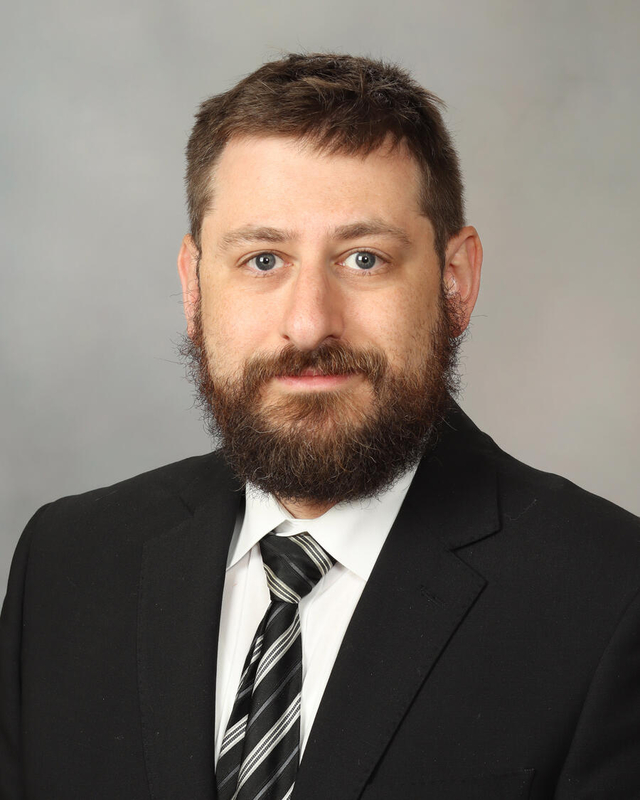 Guest: Stan Henkin, M.D. | Vascular Medicine Series: Peripheral Arterial DiseaseSeptember 11, 2025 Host: Darryl S. Chutka, M.D. Peripheral arterial disease is a manifestation of atherosclerosis and becomes more common with advancing age. In its early stages, it can be quite difficult to diagnose. Although claudication is the most classic symptom, many remain asymptomatic, especially if they have limited ability to ambulate. Although risk factor modification is important in disease management, overall treatment options have been somewhat disappointing. How can we diagnose PAD early and are there advantages in recognizing the disease in an early stage? What are the best ways to establish a diagnosis and what treatment options do we have available? Our topic for this podcast is “Peripheral Arterial Disease” and these are questions I’ll asking my guest, Stan Henkin, M.D., a vascular medicine specialist from the Department of Cardiovascular Medicine at the Mayo Clinic. |
 Guest: Ana I. Casanegra, M.D., M.S. | Vascular Medicine Series: How to Choose Your AnticoagulantSeptember 9, 2025 Host: Darryl S. Chutka, M.D. For many decades, we really only had one option for providing chronic anticoagulation, warfarin. We learned how to manage the many drug and food interactions, frequently changing the warfarin dose as we tried to keep our patients in therapeutic range. Now we have a variety of choices with the direct-acting oral anticoagulants, or DOAC’s. How do the newer agents compare to warfarin in effectiveness? Are they really safer than warfarin? Do they ever require any monitoring? What’s the latest on reversing the anticoagulant effect? I’ll be discussing these topics and more with my guest, Ana I. Casanegra, M.D., M.S., a vascular medicine specialist at the Mayo Clinic. The topic for this podcast is “How to Choose Your Anticoagulant”. |
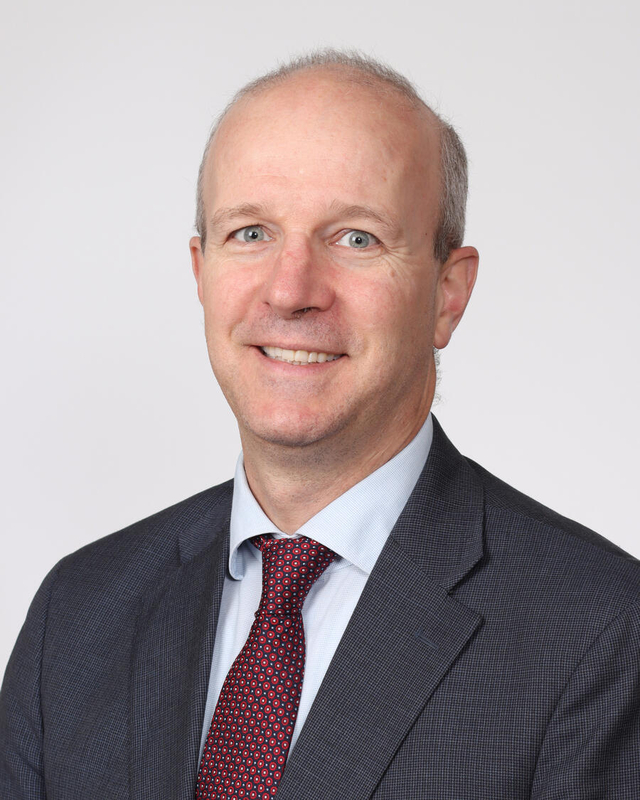 Guests: Christopher Francois, M.D. | Vascular Medicine Series: The New Era in Aortic ImagingSeptember 4, 2025 Host: Darryl S. Chutka, M.D. The risk of thoracic aortic dissection increases as the diameter of the aorta widens. A diameter greater than 5 cm is associated with an increased risk of dissection in the general population. Patients with Marfan Syndrome have defective connective tissue and dissection commonly occurs with diameters less than 5 cm. Other health conditions associated with aortic dilation and potential dissection include Ehlers Danlos and those with bicuspid aortic valves. It therefore becomes extremely important to accurately assess the aorta. Fortunately, we now have a variety of imaging tools available and several of these tools are relatively new. My guest for today’s podcast is Dr. Christopher Francois, from the Department of Diagnostic Radiology at the Mayo Clinic and he’ll bring us up to date regarding the most recent imaging techniques as we continue our series on vascular medicine. We’ll discuss who’s at risk for an aortic aneurysm, when some of the more traditional imaging is indicated and when we should consider some of the newer imaging tools. |
Guests: | Vascular Medicine Series: Hereditary Aortic Aneurysms and DissectionSeptember 2, 2025 Host: Darryl S. Chutka, M.D. Genetic factors predispose selected individuals to hereditary aortic aneurysms leading to aortic dilation and potential dissection. They can be seen in a variety of known genetic syndromes, and they differ from aortic aneurysms associated with aging and chronic, uncontrolled hypertension. Early recognition is critical in the management of these patients in preventing serious, often life-threatening aortic dissection. How common are hereditary aortic aneurysms? When and how should we screen patients for this condition? Is a genetic consultation recommended? When should we involve a vascular surgeon when at risk patients are identified? These are some of the questions I’ll be asking my guests, Thais D. Coutinho, M.D., a cardiologist and cardiac surgeon, Kristen A. Sell-Dottin, M.D., both from the Mayo Clinic. We’ll be discussing “Hereditary Aortic Aneurysms and Dissection” as part of our podcast series on “Peripheral Vascular Disease”. |