 Facebook
 X
X LinkedIn
 Forward
March 19-21, 2015 Mayo Clinic Education Center Mayo Clinic Hospital Phoenix, Arizona
Course Directors: Hinni, Michael L., M.D., Haughey, Bruce H., M.B.Ch.B., M.S., F.A.C.S., F.R.A.C.S.
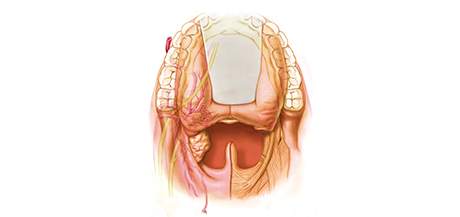
Transoral Surgery for Head and Neck Cancer is designed to give Otolaryngologists, Head and Neck Surgeons, Oral Maxillofacial Surgeons, and Head and Neck Oncologists a focused educational experience in transoral endoscopic techniques for resecting primary head and neck tumors. Both transoral laser and robotic surgery will be featured, as well as flexible laser surgery in inpatient and outpatient environments.
An optional cadaveric hands-on workshop will provide participants with opportunities to perform various transoral procedures with laser technologies and delivery systems. Renowned faculty will emphasize fundamental transoral anatomy, microsurgical and robotic techniques, and wound exposure, as well as other transoral techniques. Workshop participants will gain experience in the art of tumor exposure using various retractors and appropriate and safe use of multiple transoral systems.
We hope you will join us for this exciting program that can ultimately result in better outcomes and quality of life for many of your patients.
Registration Fees
| COURSE (March 19-20, 2015) | On or Before 2/6/15 | Standard |
|---|---|---|
| Physicians Active in Practice | $800 | $875 |
| Resident, Retired and Allied Health | $650 | $725 |
| Syllabus - Paper Copy (available only until 2/20/15) | $50 | |
| WORKSHOP - OPTIONAL (March 21, 2015) | $1,800 | |
| Course Reception/Dinner at Grayhawk Included in Registration Fee Guest Ticket available - $75 each | $75 |
Course Objectives
Upon conclusion of this program, participants should be able to:
• Identify which patients are eligible for transoral robotic and laser surgery.
• Distinguish the differences between transoral surgery and traditional surgical and radiation-based treatment strategies.
• Identify key features of “inside-out” anatomy of the upper aerodigestive tract.
• Describe advantages and technique of margin mapping.
• Relate potential advantages that may be realized with transoral robotic surgery.
• Identify basic transoral laser microsurgery instrumentation and operative complications.
• Identify key technical mistakes to avoid.
• Discuss postoperative management of patients
Attendance at this Mayo course does not indicate nor guarantee competence or proficiency in the performance of any procedures which may be discussed or taught in this course.
Course Highlights
• Didactic lectures supplemented with video clips, live surgical cases and case discussions
• Renowned Guest, Mayo Clinic and Washington University faculty
• Optional Hands-On Workshop in Mayo Clinic’s Center for Procedural Innovation