 Facebook
 X
X LinkedIn
 Forward
March 11-13, 2015 - Siebens Building, Mayo Clinic - Rochester, MN
Course Directors: Hook, C Christopher, M.D., Megan Morris, Ph.D., Nowicki, Kelly M. (Kelly Morse), Richard Sharp, Ph.D.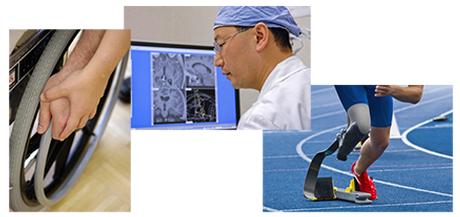
Rapidly developing innovations in neurology and neurotechnology are bringing to the clinic new tools for understanding the human brain and its function. Similarly, substantial advances are occurring in our understanding of the nature and implications of multiple disabilities, physical, emotional and cognitive, as well as producing new treatment modalities. This new wealth of information and therapeutic possibility is also creating many challenging questions about what it means to be human, and the extent to which some of the technologies may be means of modifying normal human function, or threatening individual privacy. This course will introduce the learner to these technologies and ethical questions through introductions to the topics, vocabulary, challenges and tools of technology assessment. The first in a three year series of courses exploring Neuroethics, Disability Ethics and Technology Assessment. The third year course in 2017 will include a substantial exploration of the human re-engineering project (often referred to as transhumanism or human enhancement) via the potential use of neurotechnologies and other technologies initially developed to restore function to the disabled.
Registration Fee
| MDs, Scientists | $630.00 |
|---|---|
| Residents, PAs, NPs, AH | $425.00 |
Learning Objectives
Upon conclusion of this program, participants should be able to:
- Use philosophical and ethical concepts to examine our knowledge of the function and dysfunction of the human brain.
- Describe the challenges to the sense of self and personhood created by disability, both cognitive and physical.
- Demonstrate sensitivity to the importance of language in our description of disability and communication with disabled individuals.
- Articulate the elements of an ethical toolkit for the evaluation of technology.
Attendance at this Mayo course does not indicate nor guarantee competence or proficiency in the performance of any procedures which may be discussed or taught in this course.
Credit Information
Mayo Clinic College of Medicine is accredited by the Accreditation Council for Continuing Medical Education to provide continuing medical education for physicians.
Mayo Clinic College of Medicine designates this live activity for a maximum of 18 AMA PRA Category 1 Credits™. Physicians should claim only the credit commensurate with the extent of their participation in the activity.
Nursing
Mayo Continuing Nursing Education is accredited as a provider of continuing nursing education by the American Nurses Credentialing Center’s Commission on Accreditation.
Participants can earn up to 18.0 nursing contact hours.
Social Work
Mayo Clinic Section of Social Work has been designated by the Minnesota Board of Social Work as an approved continuing education provider. This course has been approved for 18.0 Social Work credits.