
 Facebook
 X
X LinkedIn
 Forward
Practical Applications of AI at Mayo Clinic Online Course
Access to this online course is available from the date of purchase until the course expires on February 26, 2029. Credit must be claimed within that time period.
Registration required to claim CME credit.
Atul Jain, M.D., M.S.
This course offers foundational, role‑relevant training on how AI can enhance clinical care, streamline operations, support research, and improve education. Leaders share practical examples to build confidence in applying AI. Learners will be better prepared to make informed decisions about AI adoption, implementation, and use in healthcare settings.
This course is made possible thanks to a generous gift from the Harper Family Foundation, which established the Mayo Clinic Harper Family Foundation Artificial Intelligence Education in Medicine Program. The program is committed to enhancing education for staff, students and trainees in the ethical and responsible use of AI technology to care for patients and research the most complex medical problems.
Target Audience
This course is ideal for healthcare professionals, including clinicians, researchers, support staff, and those in entry-level or non-technical roles, who seek to understand the practical applications of AI in their day-to-day responsibilities.
Learning Objectives
- Recognize how artificial intelligence is currently being applied across the practice, research, and education shields at Mayo Clinic.
- Recognize the practical benefits, challenges, and limitations of using AI tools in diverse healthcare roles and settings.
- Identify opportunities to engage with AI-enabled processes in ways that improve individual and team-based healthcare delivery.
Utilization of this Mayo Clinic online (enduring materials) course does not indicate nor guarantee competence or proficiency in the performance of any procedures which may be in this course.
Additional Information
| Attachment | Size |
|---|---|
 Additional Information Additional Information | 262 KB |
Course summary
- 6.75 AAPA Category 1
- 6.75 ABS - Accredited CME
- 6.75 ABS - Self-Assessment
- 6.75 ACHE
- 6.75 ACPE
- 6.75 AMA PRA Category 1 Credit™
- 6.75 ANCC
- 6.75 AOA Category 2-A
- 6.75 Attendance
- 6.75 IPCE
- 6.75 PT
| Practical Applications of AI at Mayo Clinic Online Course | ||
| February 27, 2026 - February 26, 2029 | ||
| Duration | Lecture Title | Speaker(s) |
| 0:14:09 | Introduction to Series | Jon O. Ebbert, M.D. |
| 0:41:16 | The ABCs of AI | Andrew Foong, Ph.D. |
| 0:23:21 | Everyday AI: From Frustration to Fluency | Cheristi Cognetta-Rieke, DNP, MBA, RN Sarah Vande Loo, M.S. |
| 0:28:34 | AI in Patient Care - Part 1 | Daniel Cabrera, M.D. Maggie Fjetland, M.S.N., R.N. |
| 0:34:29 | AI in Patient Care - Part 2 | Kevin C. Ruff, M.D. Nelly Tan, M.D. |
| 0:26:26 | Behind the Scenes: AI in Administration & Operations | Laura E. Walker, M.D., M.B.A. |
| 0:30:17 | AI in Research | Irbaz B. Riaz, M.B.B.S., Ph.D. |
| 0:30:16 | AI in Education | Elissa R. Hall, Ed.D., M.A. |
| 0:34:48 | Facing the Future: AI & the Patient Experience | Sarah B. Harper, M.A., M.B.A. |
| 0:35:01 | Ethics & Empathy in AI | Michelle McGowan, Ph.D. |
| 0:44:55 | Voices of Change | Amrita N. Prakaashana, M.Ed. Theresa Villerot, M.Ed., MLS(ASCP)CM |
| 06:47:32 Content Hours | ||
| 6.75 Credit Hours | ||
| Course Director | |
|---|---|
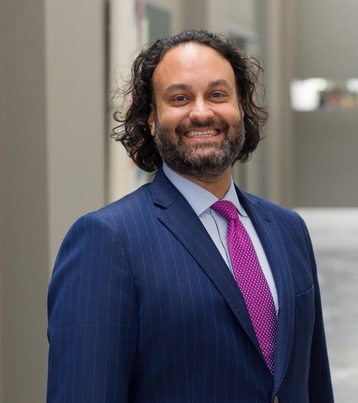 | Atul Jain, M.D., M.S., is the Chair of General Internal Medicine at Mayo Clinic in Arizona. He serves as an Executive Health physician with a clinical focus on the prevention of heart disease, vascular health, and lifestyle-based approaches to chronic disease. His priorities include enhancing team performance, expanding innovative clinical programs, and integrating artificial intelligence into clinical operations and staff development. Dr. Jain also leads educational innovation efforts as the Associate Dean for the Mayo Clinic School of Continuous Professional Development and Director of Education Initiatives for the Mayo Clinic and Arizona State University Alliance for Healthcare. |
| Faculty | |
|---|---|
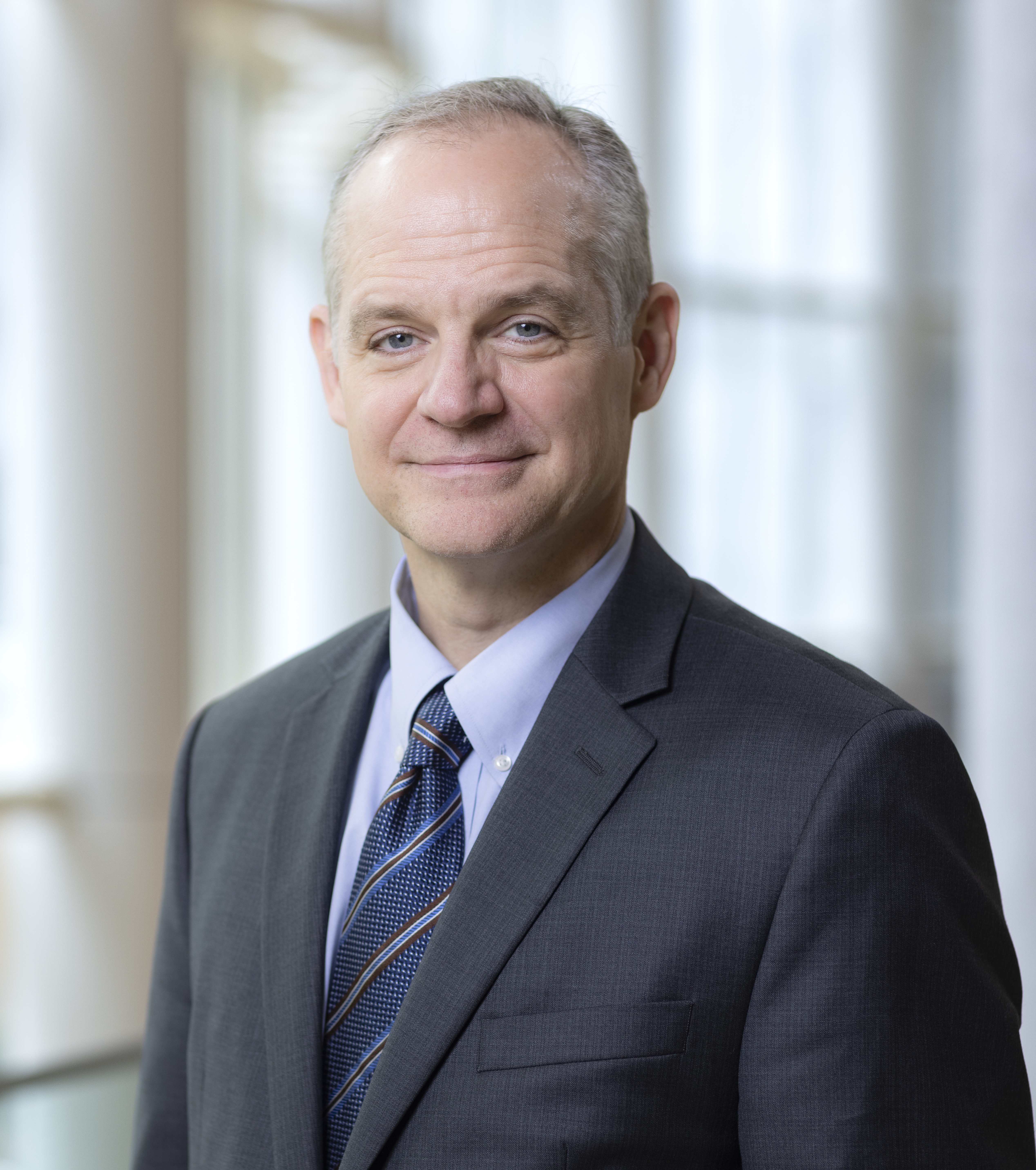 | Jon Ebbert, M.D., is a physician at Mayo Clinic in Rochester, Minnesota, where he serves as Associate Chair in the Department of Medicine for Digital Transformation and Platform and as Medical Director of the Systems Innovation Accelerator, collaborating closely with clinical practice to enable, accelerate, and prioritize digital health solutions including artificial intelligence. |
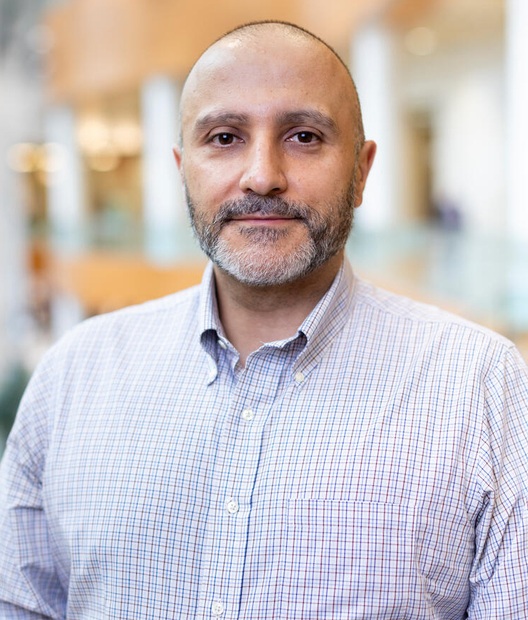 | Daniel Cabrera, M.D., is a Professor of Emergency Medicine at Mayo Clinic who serves as the inaugural Director of the Harper Family Foundation Artificial Intelligence in Medicine Program and Director of Advanced Digital Education. He builds and deploys AI and machine learning tools for clinical use, and he oversees all AI education at Mayo Clinic. His work spans automatic resource allocation systems, optimization algorithms, and distributed technologies including blockchain. His academic interests center on the intersection of artificial intelligence, clinical decision-making, knowledge management, and how humans interact with non-human agents. |
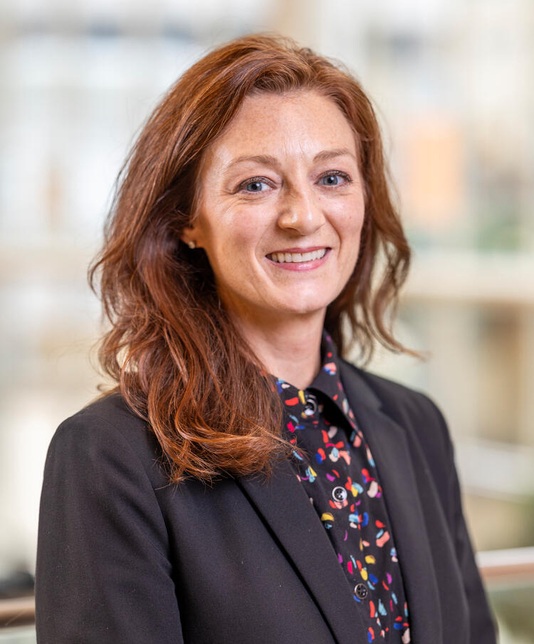 | Cheristi Cognetta-Rieke, D.N.P., M.B.O.E, R.N., is an Assistant Professor of Nursing at the Mayo Clinic College of Medicine and Science and serves as the vice chair-nursing for Mayo Clinic leading the enterprise Department of Nursing transformation work. She is the creator of MyStory© a tool to capture each hospitalized patient’s story to personalize their care. In her current role, Cheristi and the enterprise practice transformation team are leveraging AI to build transformative tools for nurses, by nurses™ such as a new Nurse Virtual Assistant tool, ambient nursing documentation tool, a curated digital platform for Mayo Clinic nurses and more. Prior to this enterprise vice chair role, Cheristi held various site-based roles at Mayo Clinic and the University of Minnesota Fairview Health System. In her 24+ year career, she held roles including Chief Nursing Officer for Mayo Clinic Southeast Minnesota, nurse administrator, nurse manager and worked at the bedside in the intensive care unit. Cheristi holds a Bachelor of Science Nursing from Viterbo University, La Crosse Wisconsin, a Doctor of Nursing Practice in Health Innovation and Leadership from the University of Minnesota, and a Master of Business Operational Excellence from The Ohio State University. |
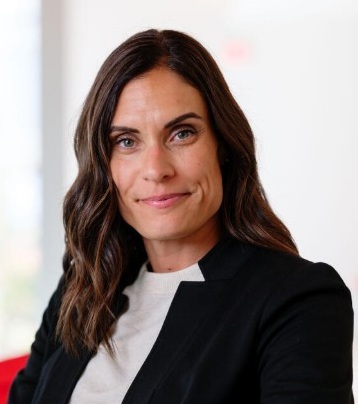 | Maggie Fjetland, M.S.N., R.N., is an Instructor in Nursing of the Mayo Clinic College of Medicine and Science and serves as a Nurse Administrator for the Enterprise Nursing Practice Transformation team within Mayo Clinic’s Department of Nursing. Throughout her career at Mayo Clinic, Maggie has held multiple nursing leadership roles that reflect her commitment to advancing nursing practice, elevating the patient and staff experience, and shaping the future of healthcare delivery. In her current role, Maggie partners with the transformation team to leverage artificial intelligence in the development of innovative, nurse‑centered tools—notably the nurse‑led creation of the new Ambient Nursing Documentation tool, intentionally designed for nurses, by nurses. She is passionate about leading teams to think transformatively, challenge the status quo, and co‑design solutions that meaningfully improve clinical work. |
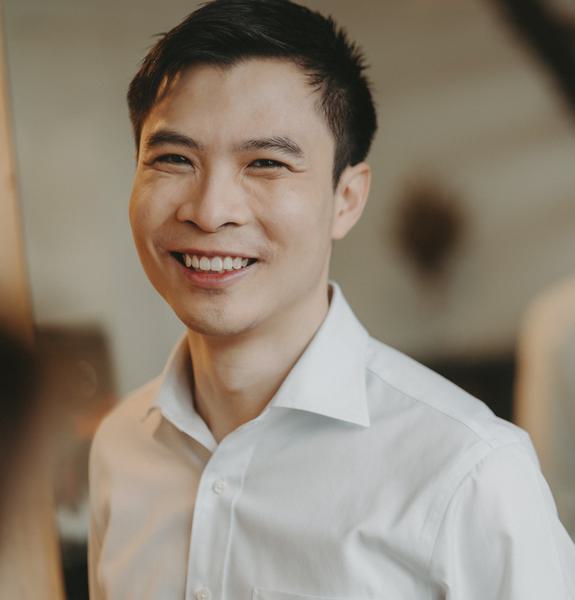 | Andrew Foong, Ph.D., is an AI Scientist and Assistant Professor of Biomedical Informatics at Mayo Clinic, where he leads the AI and Data Analytics (AIDA) team in the Department of Radiation Oncology. Before joining Mayo, he was a Senior Researcher at Microsoft Research in Cambridge, UK, where he developed generative deep learning models for proteins in the AI for Science team. His work on BioEmu was featured on the front cover of Science. He earned his Ph.D. in Machine Learning from the University of Cambridge. |
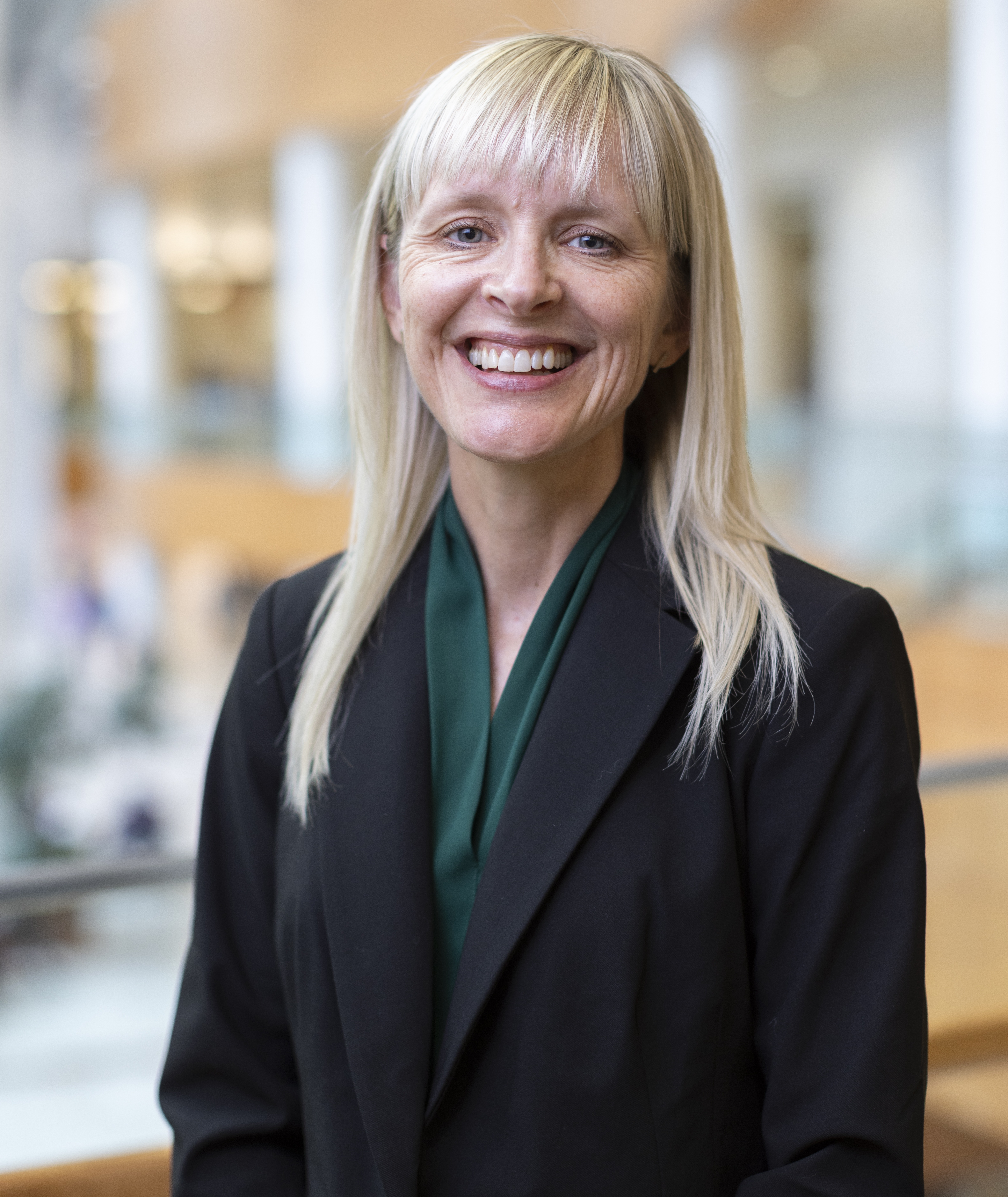 | Elissa Hall, Ed.D., M.A., is the inaugural Director, Mayo Clinic Harper Family Foundation Artificial Intelligence Education in Medicine Program and the Scientific Director, Advanced Digital Education. She is an Assistant Professor in Laboratory Medicine and Pathology and Assistant Professor in Medical Education. With 25 years of experience in education spanning science, technology, education research, professional development, learning experience design, and digital innovation, Dr. Hall is responsible for implementing a collaborative digital education strategy at Mayo Clinic for workforce learning. She leads an entrepreneurial interprofessional team eager to be at the forefront of technology and transforming learning through a human-centric approach. Critical to Dr. Hall's role is facilitating and leading external collaborations. Dr. Hall serves in leadership roles as the National Chair, Association of American Medical Colleges - Group on Education Affairs and Program Director, Harvard Macy Institute Transforming Your Teaching Using Technology. |
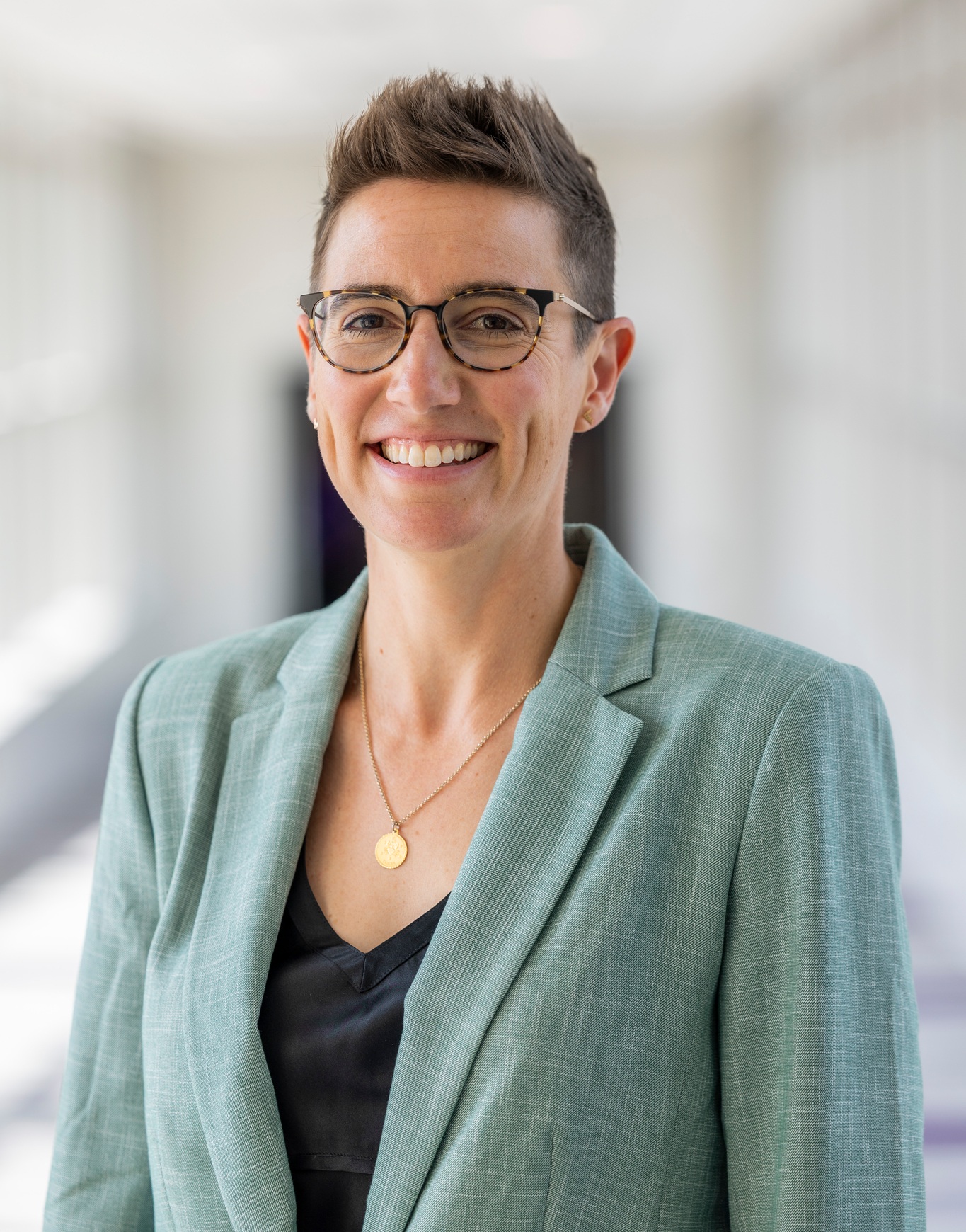 | Sarah Harper, M.A., M.B.A., is a healthcare technology and AI leader who recently joined nR (neuRealities) after more than a decade at Mayo Clinic and Mayo Clinic Health System, where she led enterprise AI, analytics, and automation initiatives. Her work has focused on translating AI from concept to practice—partnering with clinicians, engineers, and operational leaders to design, implement, and evaluate solutions that integrate into real-world workflows and deliver measurable clinical and operational value. Sarah brings deep experience in applied AI, change management, and value realization across academic, community, and rural care settings, with a strong emphasis on responsible, scalable adoption of AI in clinical practice. |
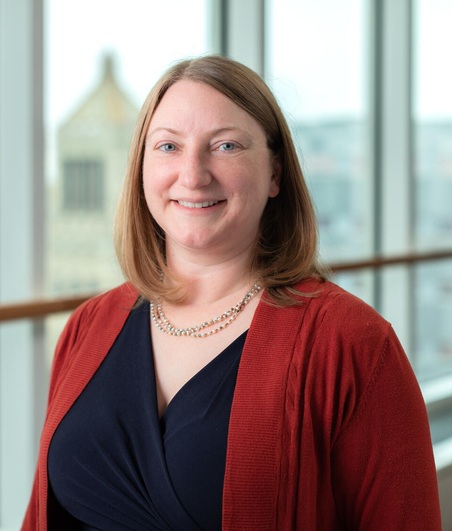 | Michelle McGowan, Ph.D., is a professor of biomedical ethics and co‑director of Mayo Clinic’s Biomedical Ethics Research Program. Dr. McGowan began her career as a postdoctoral fellow at Case Western Reserve University and now leads efforts at Mayo Clinic to guide the ethical use of digital health tools and artificial intelligence in research and patient care. With a joint appointment in Quantitative Health Sciences and Artificial Intelligence and Informatics, she directs funded research, teaches ethics to medical and graduate students, and provides ethics consultation through the Center for Clinical and Translational Science. She also chairs the Biomedical Ethics and AI Advisory Council, the Reproductive Medicine Advisory Board, and serves as faculty lead for both the Health Data and Technology Advisory Board and the Mayo Clinic Biobank Community Advisory Board. Dr. McGowan’s work examines how emerging technologies shape fairness, access, and trust in healthcare, ensuring innovations are developed and applied responsibly. She currently leads projects exploring the ethical implications of expanding AI, digital technologies, and wearable sensors in clinical research. |
 | Irbaz Riaz, M.B.B.S., Ph.D., is a medical oncologist specializing in genitourinary cancers with extensive expertise in clinical informatics and data science. His educational journey spans multiple prestigious institutions, beginning with his MD from Nishtar Medical University in Pakistan, followed by internal medicine residency at the University of Arizona, hematology/oncology fellowship at Mayo Clinic, and genitourinary oncology fellowship at Dana Farber Cancer Center. He has earned advanced degrees including a master's in clinical epidemiology from the University of Sydney, a PhD in clinical and translational sciences from Mayo Graduate School, and a master's in biomedical informatics from Harvard Medical School, along with completing clinical informatics fellowship training at Mass General Hospital and receiving an NLM BIRT T32 award for postdoctoral training at DFCI and the Broad Institute of Harvard and MIT. Dr. Riaz is a Gerstner AI Scholar and serves in prominent leadership roles including Director of Cancer AI, Lead of the Data Science and AI Work Group at Mayo Cancer Center and Lead of the NCCN AI Working Group. He also leads the Living Evidence Program at Mayo Evidence Based Practice Center. As Principal Investigator, Dr. Riaz leads a laboratory focused on artificial intelligence in healthcare and computational oncology, with key areas of focus multi-modal AI models(natural language processing for clinical data, computer vision for digital pathology and imaging data), human-AI interaction, and predictive modeling. He mentors a diverse team of master's students, PhD candidates, post-doctoral fellows, clinical residents, and fellows in developing innovative AI methods and applications that enhance cancer diagnosis, prognosis, treatment outcomes, and patient care experiences. |
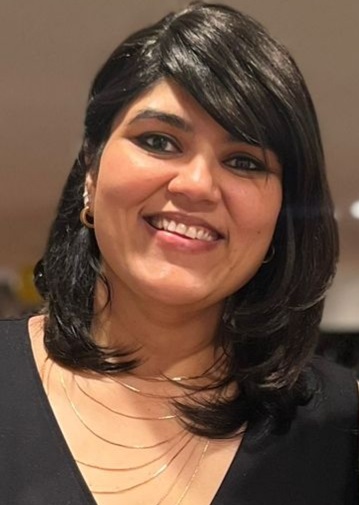 | Amrita Prakaashana, M.Ed., PGDBM, DipAdEd, is the Well-Being and Belonging Director – Nursing at Mayo Clinic. With over 15 years of experience spanning human resource development, adult education, executive coaching, project management, and strategic leadership across multiple sectors, she leads with a people-centered approach grounded in intentional inclusion and purpose. Amrita is deeply committed to creating a culture of holistic well-being where individuals feel empowered to be their authentic selves and experience true belonging. Based in Rochester, MN, she lives with her family and is also a practicing metal artist. She actively seeks ways to integrate art and creativity into her work in well-being and belonging, using it as a catalyst to uplift, connect, and strengthen community. |
 | Kevin C. Ruff, M.D., is a gastroenterologist at Mayo Clinic in Phoenix, Arizona, where he specializes in quality improvement, outcomes research, simulation education, and advanced endoscopy techniques such as balloon‑assisted enteroscopy. He earned his M.D. from the University of Illinois College of Medicine at Chicago in 2003 and completed his internal medicine residency and gastroenterology fellowship at the Mayo School of Graduate Medical Education in Arizona and Rochester. Dr. Ruff is board‑certified in gastroenterology and has been recognized for his excellence in medical education, including being named GI Educator of the Year at Mayo Clinic in Arizona in 2018. His professional contributions include leadership roles on the GI Operations Committee and Endoscopy Committee, and he remains actively involved in teaching, research, and clinical innovation within the Division of Gastroenterology and Hepatology. |
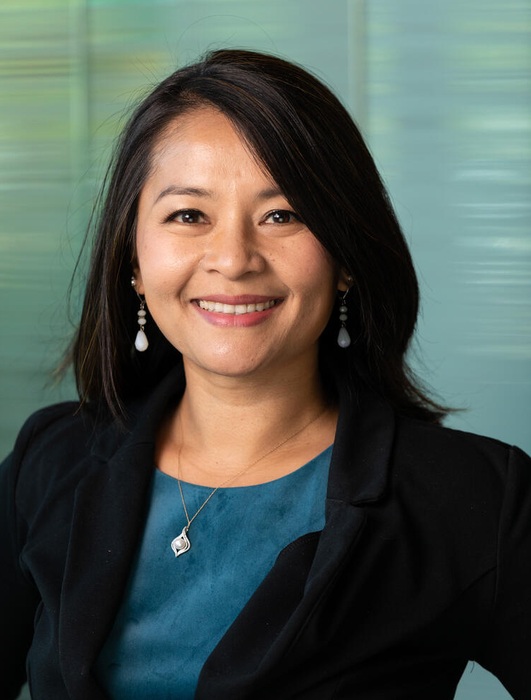 | Nelly Tan, M.D., is an Associate Professor of Radiology and Consultant in Abdominal Radiology at Mayo Clinic in Arizona, where she integrates advanced clinical imaging with workflow‑enhancing technologies to improve diagnostic accuracy and patient experience. A leader in AI‑enabled clinical practice, Dr. Tan uses enterprise‑grade Mayo GPT/Copilot tools to streamline chart review, enhance report quality, and reduce cognitive load, allowing radiologists to focus on meaningful clinical decision‑making. She serves as Chair of the Mayo Quality Fellows Program, and her education work spans clerkship innovation, faculty development, and national invited lectures on AI in radiology. As an active researcher with numerous peer‑reviewed publications, grants, and national presentations, Dr. Tan’s work advances prostate MRI, patient‑centered radiology, and safe, ethical adoption of AI in healthcare—reflecting her commitment to Mayo’s three‑shield mission of clinical practice, education, and research. |
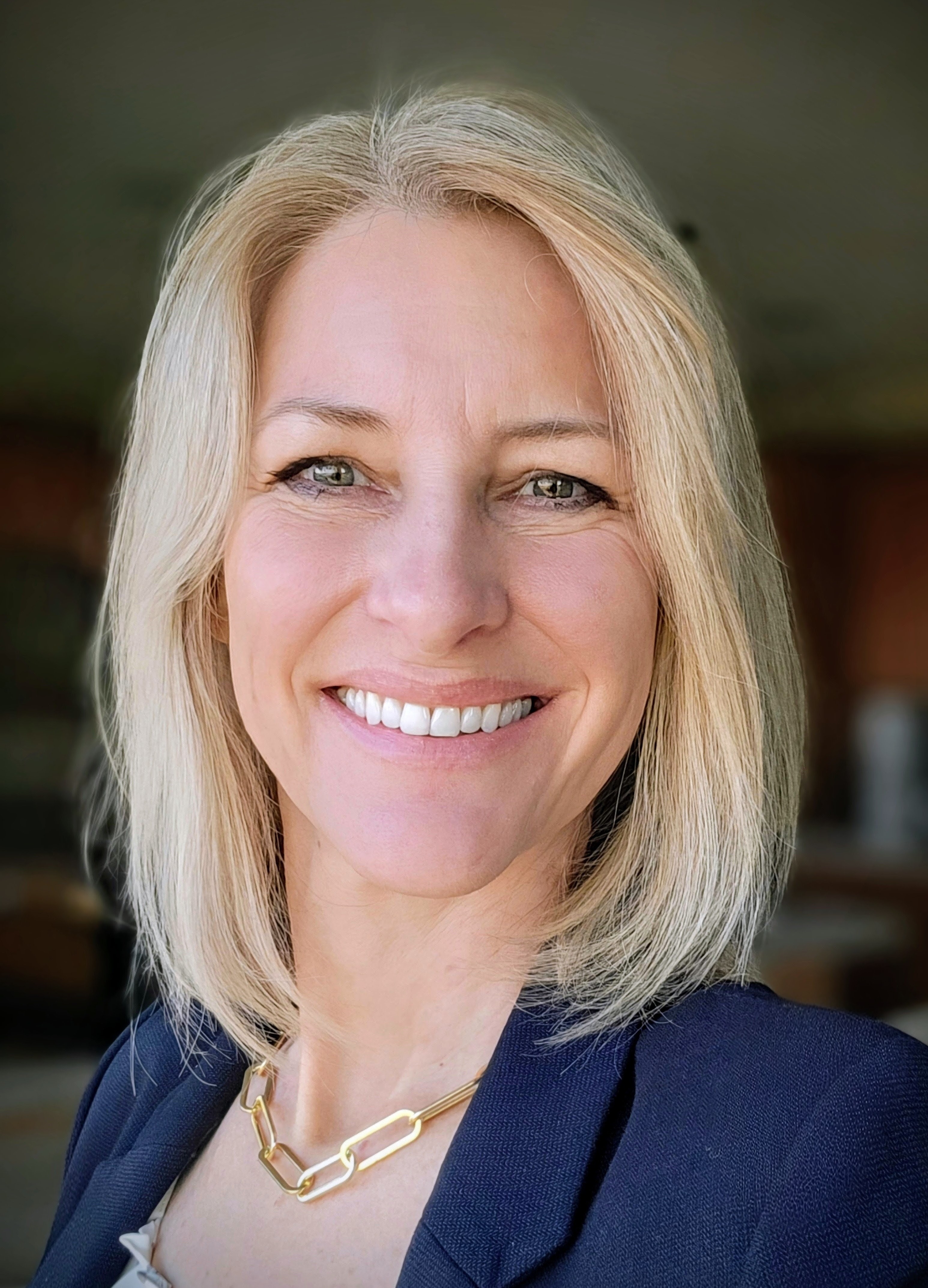 | Sarah Vande Loo, M.S., is the Director of Data Literacy and Digital Fluency in the Center for Digital Health, and an Assistant Professor of Medical Education with the Mayo Clinic College of Medicine and Science. Sarah has worked in healthcare for over 25 years, including roles in content strategy and development, knowledge architecture, data management, analysis and consulting. Currently, Sarah leads the enterprise Data Literacy and Digital Fluency program, aimed to grow understanding and use of data and digital technologies. Focusing on change management, Sarah leans on her diverse experiences to grow a data-skilled and digital-ready workforce. Sarah holds a Master’s degree in Information Architecture and Knowledge Management from Kent State University. |
 | Theresa Villerot, M.Ed., MLS(ASCP)CM, is a Curriculum and Assessment Manager for Advanced Digital Education at Mayo Clinic. Her work focuses on curricular innovations. After a few years as a generalist at hospitals in Michigan, she joined Mayo Clinic in 2008 as a Medical Laboratory Scientist specializing in Transfusion Medicine and Coagulation. Leaving Mayo Clinic in 2011 she pursued Transfusion Medicine at Henry Ford in Detroit, MI and Tripler Army Medical Center in Honolulu, HI before returning to Mayo Clinic in 2014. In 2015 she shifted her focus to medical education and guided learners across the spectrum of health professions education in Transfusion Medicine until joining the Mayo Clinic School of Continuous Professional Development in 2018. She directed online course development, podcasting and custom medical content creation, applying Lean Startup methodology to develop scalable systems and products. In 2021 she joined the Office of Applied Scholarship and Education Science kicking off Microcredentialing and support content management initiatives in education. She enjoys creating medical comics, infographics, visual abstracts, and sketchnotes. |
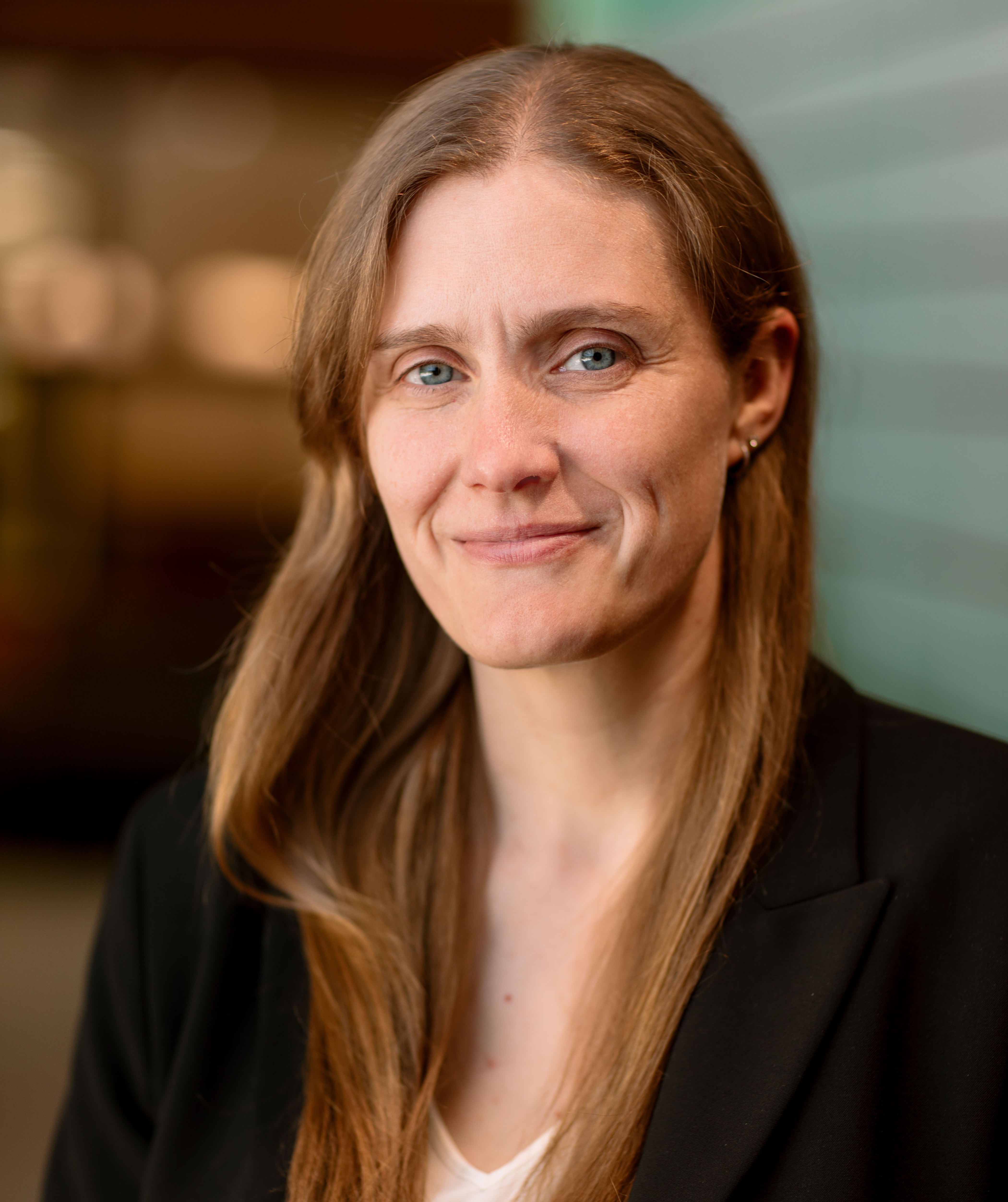 | Laura Walker, M.D., M.B.A., is an Associate Professor of Emergency Medicine at the Mayo Clinic Alix School of Medicine based in Rochester, Minnesota, with an academic focus at the intersection of emergency care delivery, digital health, and health systems innovation. Trained in both medicine and business administration, Dr. Walker’s scholarly and administrative work centers on the development and evaluation of digital health strategies—including telehealth, clinical decision support, workflow optimization, and cognitive burden reduction—to advance high‑reliability emergency care, as well as equity in medicine. She serves as the director of Digital Health in the Mayo Clinic Department of Emergency Medicine, where she collaborates with multidisciplinary clinical, informatics, and operational partners to translate emerging technologies into scalable, patient‑centered solutions. |
 Accreditation Statement
In support of improving patient care, Mayo Clinic College of Medicine and Science is jointly accredited by the Accreditation Council for Continuing Medical Education (ACCME), the Accreditation Council for Pharmacy Education (ACPE), and the American Nurses Credentialing Center (ANCC) to provide continuing education for the healthcare team.
Credit Statement(s):
AMA
Mayo Clinic College of Medicine designates this enduring activity for a maximum of 6.75 AMA PRA Category 1 Credits ™. Physicians should claim only the credit commensurate with the extent of their participation in the activity. AAPA
AAPA
Mayo Clinic College of Medicine and Science has been authorized by the American Academy of PAs (AAPA) to award AAPA Category 1 CME credit for activities planned in accordance with AAPA CME Criteria. Approval is valid until 2/26/2029. This activity is designated for 6.75 AAPA Category 1 CME credits. PAs should only claim credit commensurate with the extent of their participation.
ACHE
By attending the Practical Applications of AI at Mayo Clinic Online Course offered by Mayo Clinic College of Medicine and Science participants may earn up to 6.75 ACHE Qualifying Education Hours toward initial certification or recertification of the Fellow of the American College of Healthcare Executives (FACHE) designation.
 ACPE
ACPE
Mayo Clinic College of Medicine and Science designates this educational activity for a maximum of 6.75 ACPE Knowledge-based contact hours. Participants should claim only the credit commensurate with the extent of their participation in the activity. UAN Number: JA0000238-0000-26-085-H04-P
ANCC
Mayo Clinic College of Medicine and Science designates this activity for a maximum of 6.75 ANCC contact hours. Nurses should claim only the credit commensurate with the extent of their participation in the activity.
AOA
The American Osteopathic Association designates this program for a maximum of 6.75 AOA Category 2-A credits.

ICPE
This activity was planned by and for the healthcare team, and learners will receive 6.75 Interprofessional Continuing Education (IPCE) credit for learning and change.
Physical Therapy
Sponsored by the Program in Physical Therapy, College of Medicine, Mayo Clinic. This course meets the criteria for up to 6.75 category I Continuing Education Units per Minnesota Physical Therapy Rules 5601.2400, 5601.2500.
American Board of Surgery (ABS)
Successful completion of this CME activity, which includes participation in the evaluation component, enables the learner to earn credit toward the CME and Self-Assessment requirements of the American Board of Surgery’s Continuous Certification program. It is the CME activity provider's responsibility to submit learner completion information to ACCME for the purpose of granting ABS credit.
Royal College of Physicians and Surgeons of Canada
Through an agreement between the Accreditation Council for Continuing Medical Education and the Royal College of Physicians and Surgeons of Canada, medical practitioners participating in the Royal College MOC Program may record completion of accredited activities registered under the ACCME’s “CME in Support of MOC” program in Section 3 of the Royal College’s MOC Program.
Other Healthcare Professionals
A record of attendance will be provided to all registrants for requesting credits in accordance with state nursing boards, specialty societies or other professional associations.
For disclosure information regarding Mayo Clinic School of Continuous Professional Development accreditation review committee member(s) and staff, please go here to review disclosures.
Available Credit
- 6.75 AAPA Category 1
- 6.75 ABS - Accredited CME
- 6.75 ABS - Self-Assessment
- 6.75 ACHE
- 6.75 ACPE
- 6.75 AMA PRA Category 1 Credit™
- 6.75 ANCC
- 6.75 AOA Category 2-A
- 6.75 Attendance
- 6.75 IPCE
- 6.75 PT
Price
| Registration Fee | |
|---|---|
| M.D., D.O., Ph.D. | $175 |
| Allied Health, NP, PA, Nurses, Residents, Retired | $100 |
This course is available free of charge to all Mayo Clinic employees, thanks to generous support from the Mayo Clinic Harper Family Foundation Artificial Intelligence Education in Medicine Program. | |
Access to this online course is available from the date of purchase until the course expires on February 26, 2029. Credit must be claimed within that time period.
Registration required to claim CME credit.
Commitment to Belonging and Inclusion
Mayo Clinic School of Continuous Professional Development (MCSCPD) strives to foster a learning environment in which all individuals are valued, allowing all to achieve their fullest potential.
Every effort will be made to accommodate dietary requirements; however, some requests may not be feasible based on venue kitchen capabilities. Attendees will be contacted in advance if a dietary restriction cannot be fulfilled.
The Mayo Clinic School of Continuous Professional Development strives for fully accessible learning experiences. If you anticipate any barriers while attending this course, please reach out to the course coordinator who will be in touch with all registrants. If you need disability-related accommodations, please contact the Office of Wellness and Academic Support – Disability Access Services at MCCMS.DS@mayo.edu.
Cancellation and Refund Policy
View Cancellation and Refund Policy
All requests must be submitted in writing using the Contact Us Form.
Any use of this site constitutes your agreement to the Terms and Conditions of Registration.