
 Facebook
 X
X LinkedIn
 Forward
Pharmacy Grand Rounds
Bypassing Subtherapeutic Anticoagulation: DOACs vs. Warfarin After Bariatric Surgery
- ACPE Universal Activity Number (UAN): JA0000238-0000-20-028-L01-P
- Session Type: Knowledge-based
- CE Credits: A maximum of 0.75 contact hour (0.075 CEU) for the following:
- AAPA Category 1 CME Credits
- ACPE
- AMA PRA Category 1 Credits™
- ANCC
- Session Fee: Free for Mayo Clinic staff
SESSION LOCATIONS
Live Session: (11:00am - 11:45am CST)
Until future notice, learners must watch Pharmacy Grand Rounds live via the web by going to the Video Exchange and selecting “Pharmacy Grand Rounds” in the “Streaming Now” section.
Participants may attend by viewing: Live Webcast
Video Recording - access two weeks after session date
COURSE DESCRIPTION
In recent decades, the worldwide prevalence of obesity nearly tripled, while 13% of the world’s adult population was categorized as obese in 2016. With over 200,000 bariatric surgeries performed annually, this has become the mainstay of treatment for morbid obesity due to its ability to achieve significant weight loss and its demonstrated efficacy in improving obesity-related comorbidities. Understanding changes in response to anticoagulant therapy after bariatric surgery is crucial due to the elevated thrombotic risk in this patient population. However, little is known about the safety and efficacy of direct oral anticoagulants (DOACs) after bariatric surgery in comparison to the traditional option of warfarin.
At the conclusion of this knowledge-based CE session, participants should be able to:
- Describe the potential effects of bariatric surgery on drug pharmacotherapy measures due to altered gastrointestinal anatomy
- Review literature pertaining to warfarin use after bariatric surgery
- Discuss safety and efficacy of direct-acting oral anticoagulants (DOACs) following bariatric surgery

FACULTY INFORMATION
Danielle M. Hess, PharmD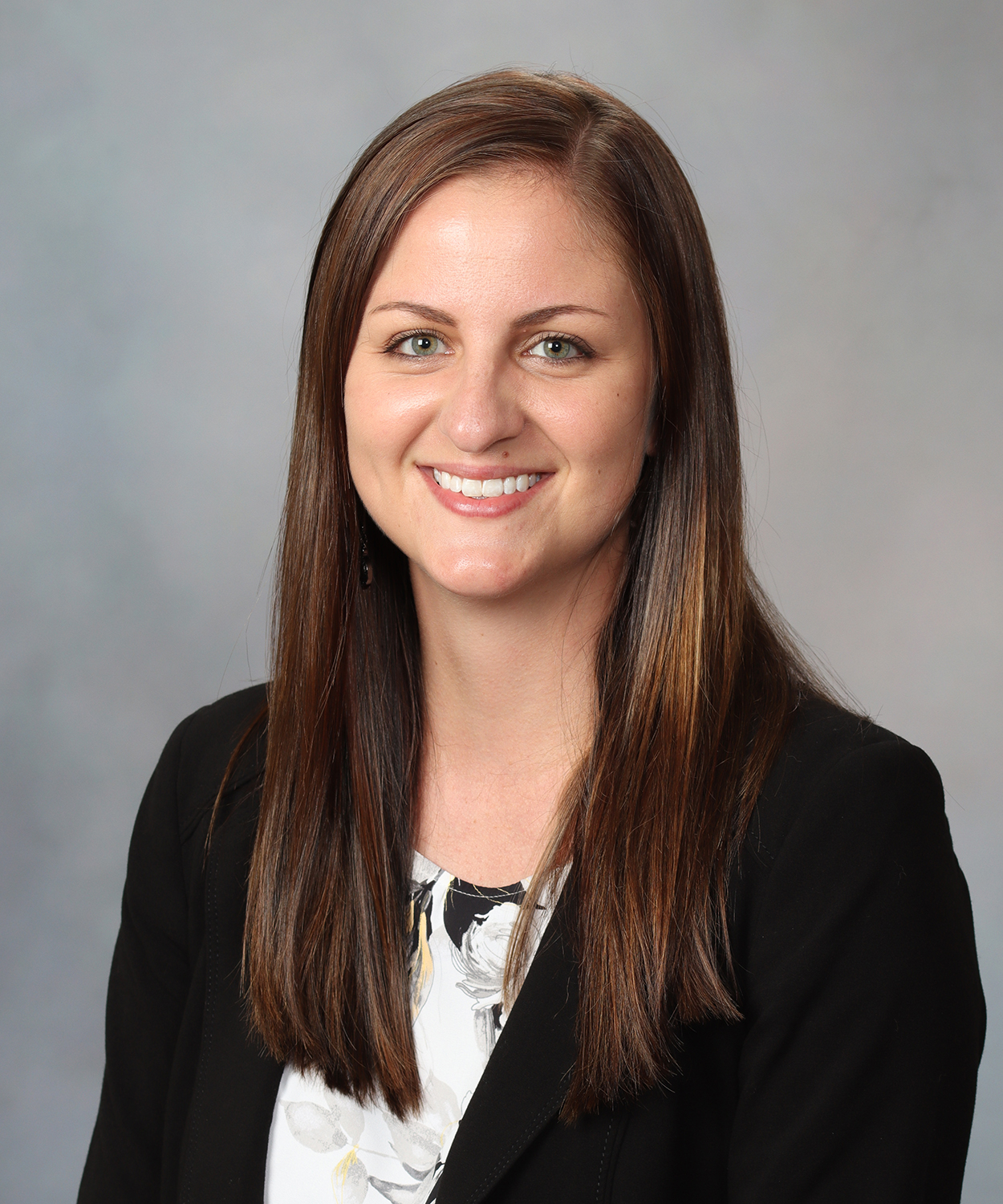
PGY1 Pharmacy Resident
Mayo Clinic Hospital - Rochester, MN
Danielle received a Doctor of Pharmacy degree from Virginia Commonwealth University in Richmond, VA. She is a current PGY1 Pharmacy Resident at Mayo Clinic Hospital – Rochester with clinical practice interests in cardiology, ambulatory care, and pharmacogenomics.
DISCLOSURE STATEMENTS
As a provider accredited by Joint Accreditation Interprofessional Continuing Education, Mayo Clinic College of Medicine and Science (Mayo Clinic School of CPD) must ensure balance, independence, objectivity and scientific rigor in its educational activities. Course Director(s), Planning Committee Members, Faculty, and all others who are in a position to control the content of this educational activity are required to disclose all relevant financial relationships with any commercial interest related to the subject matter of the educational activity. Safeguards against commercial bias have been put in place. Faculty also will disclose any off label and/or investigational use of pharmaceuticals or instruments discussed in their presentation. Disclosure of these relevant financial relationships will be published in activity materials so those participants in the activity may formulate their own judgments regarding the presentation.
Listed below are individuals with control of the content of this program:
The faculty report the following relationships:
- Danielle M. Hess, PharmD
- Declares no financial relationships pertinent to this session
- Declares off-label use of devices and medications will not be discussed during this presentation
Course Director and Planning Committee Members declare no relevant financial relationship(s) pertinent to this session. Members include:
- Brenda Amaris
- Mary Ellen Cordes, MS, APRN, CNC, NE-BC
- Michael Huckabee, MPAS, PA-C, PhD
- Wayne (Nick) Nicholson, MD, PharmD, BCPS
- Garrett Schramm, PharmD, BCPS
- Lee Skrupky, PharmD, BCPS