 Facebook
 X
X LinkedIn
 Forward
August 14-15, 2015
Leighton Auditorium, Rochester, MN
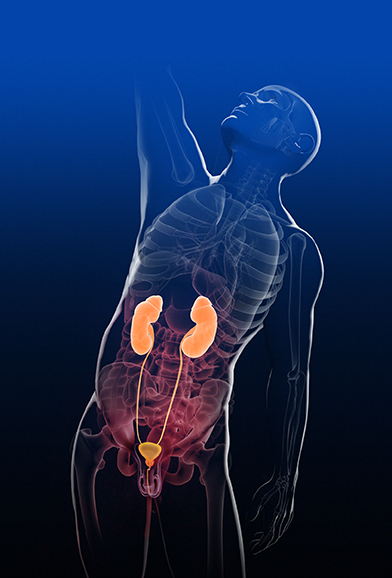
The 2015 Mayo Clinic Updates in Urology is designed to provide practicing urologists in the region with up to date, evidence-based information and resources on the treatment of urologic conditions. The course is specifically geared toward practicing urologists, as well as nurse practitioners and physician assistants specializing in urologic conditions. Sessions will focus on contemporary urologic practice, including guideline-based, best practices, clinical care pathways, diagnostic and treatment algorithms, and common clinical dilemmas. Lectures will be structured in an interactive format with cases presented to maximize the yield for general and subspecializing urologists on each topic. CME will also be provided as a relatively low cost alternative to other national and international urologic venues.
Case Conference
Attendees are invited to present an interesting case. Please complete the Case Conference Submission Form in the download section of the course website.
Registration Fees
Physicians/Scientists – $480
Residents, Physician Assistants, Nurse Practitioners, Allied Health – $400
The registration fee includes tuition, comprehensive electronic course syllabus, continental breakfasts, break refreshments, lunch, and reception. Although it is not Mayo School of Continuous Professional Development (CPD) policy to limit the number of registrants for a course, conference room facilities may necessitate closing of enrollment; therefore, early registration is advised. A letter of confirmation will be sent upon receipt of payment and completed registration form.
Reception
Friday, August 14, 2015, 5:30 p.m.
Attendee is complimentary
Guest fee is $50 per person
Upon conclusion of this program, participants should be able to:
- Review advantages and disadvantages of various therapeutic approaches for the small renal mass.
- Discuss complications and appropriate management of renal surgery.
- Identify survival expectations with immunotherapy and chemotherapy for metastatic renal cell carcinoma.
- Review complications of vaginal mesh and management strategies.
- Discuss advantages and disadvantages with synthetic and autologous materials for sling placement.
- Describe key steps during robotic sacrocolpopexy.
- Outline the appropriate use of neoadjuvant and intravesical therapies for urothelial carcinoma of the bladder.
- Identify long-term complications and management strategies associated with bladder reconstruction.
- Review management of upper tract urothelial carcinoma.
- Describe various tips and tricks used to enhance outcomes of robotic prostatectomy.
- Discuss novel robotic techniques for managing urologic pathology.
- Describe pediatric conditions commonly encountered by the adult urologist and their management.
- Review effective medical and surgical management strategies for the infertile male.
- Identify management strategies for stone patients including antibiotic coverage, dietary modification, and long-term follow-up.
- Describe updates in the management of genitourinary trauma.
- Discuss the appropriate use of testosterone replacement, including risks, benefits, and the appropriate role in men with prostate cancer and cardiovascular disease.
- Identify appropriate management strategies for Peyronie’s disease.
- Describe operative considerations for placement of artificial urinary sphincters and penile prostheses.
- Review management of concomitant stress incontinence and urethral stricture / bladder neck contracture disease states.
- Describe benefits of various methods for the surgical management of BPH.
- Review the role for PSA and active surveillance of prostate cancer in the current era.
- Discuss the appropriate use of adjunctive therapies in the management of prostate cancer (radiation, hormone therapy).
- Identify appropriate management strategies for hormone refractory prostate cancer.
- Review post-prostatectomy urinary incontinence and erectile function rehabilitation strategies.
Attendance at this Mayo course does not indicate nor guarantee competence or proficiency in the performance of any procedures which may be discussed or taught in this course.