 Facebook
 X
X LinkedIn
 Forward
Mayo Clinic RNA Discoveries and Therapeutics Conference 2026
This course offers Live (in-person) and Livestream (virtual) attendance options
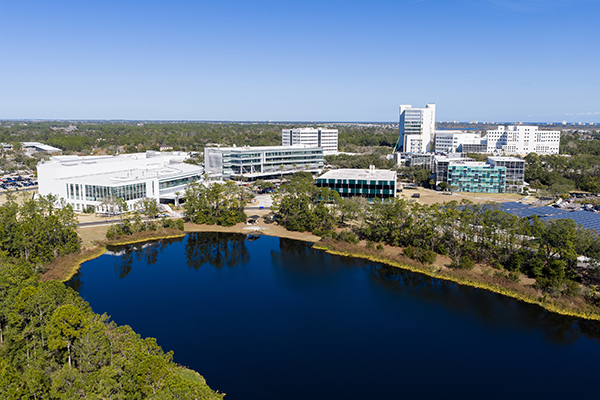
Course Directors - Nilufer Ertekin-Taner, M.D., Ph.D. and Himakshi Jhala, M.P.H., M.B.A., FACHE
December 2 - 4, 2026 - Hilton Jacksonville Mayo Clinic - Jacksonville, Florida
The Mayo Clinic RNA Discoveries and Therapeutics Conference 2026 convenes experts in the areas of RNA biology and RNA therapeutics development and application across various disease areas, including but not limited to neurological diseases, cancer, and rare diseases. This conference aims to identify gaps and opportunities in this field, leveraging RNA therapeutics from discovery to translation to clinical trials.
Abstract Submissions:
As part of the Mayo Clinic RNA Discoveries and Therapeutics Conference 2026 - Abstract Submission are open. Abstracts will be evaluated for oral and poster display at the course. Abstract topics may include but are not limited to RNA biology; applications of RNA therapeutics in neurologic, metabolic, rare diseases, or other conditions; computational design; and innovations in RNA therapeutic deliveries. Abstracts should be 300 words or less and may include one figure or table. Abstract Submissions are due by October 19. Applicants may submit an abstract without registering for the conference. Registration will be required if the abstract is accepted for presentation.
| Registration Fee(s) | |
|---|---|
| M.D., D.O., Ph.D. | $675 |
| Allied Health, NP, PA, Retirees | $500 |
| Residents, Fellows, Students | $350 |
Target Audience
This course is relevant for scientists, physicians and other healthcare professionals specializing in oncology, neurology, rare diseases, and metabolic specialties. The content also benefits individuals involved in cancer research, neurological studies, study of metabolic disorders, the development of RNA-based therapeutics, and clinical trial coordinators.
Learning Objectives
Upon completion of this activity, participants should be able to:
- Assess existing approaches to the discovery of RNA targets
- Review the current state of RNA therapeutics to include their discovery and translation into practice
- Assess existing approaches to the development of novel therapies to include treatment and delivery modalities
- Identify gaps in the development of RNA therapies for common complex and rare diseases
- Identify future opportunities for development of RNA therapies in common complex and rare diseases
Attendance at any Mayo Clinic course does not indicate or guarantee competence or proficiency in the skills, knowledge or performance of any care or procedure(s) which may be discussed or taught in this course.
Course summary
- 15.75 AMA PRA Category 1 Credit™
- 15.75 Attendance
Wednesday, December 2, 2026 | |
7:30AM | Registration & Breakfast |
8:00AM | Welcome |
8:10AM | Mayo Clinic RNA Program |
8:30AM | Next-Generation ASO Design: Chemistry and Biology of Precision RNA Targeting |
9:30AM | Break/Exhibit Hall |
9:45AM
| Exploring RNA Biology and Chemistry Innovations for RNA Therapeutics Panel |
10:45AM | Short talks selected from submitted abstracts |
12:00PM | Lunch/Exhibit Hall |
1:00PM | mRNA Therapeutics |
2:00PM | Advances in AI and Analytics Towards Novel RNA Therapeutics Panel |
3:00PM | Group Photo/Break/Exhibit Hall |
3:30PM | Short talks selected from submitted abstracts |
4:45PM | Closing Remarks and Adjournment |
5:00PM-6:00PM | Poster Exhibition & Reception |
Thursday, December 3, 2026 | |
7:30AM | Breakfast |
7:55AM | Welcome |
8:00AM | Oligonucleotide therapeutics for CNS disorders: From lab to clinic |
9:00AM | RNA Therapeutic Applications in Rare and Common Diseases panel |
9:45AM | Break/Exhibit Hall |
10:00AM | Bringing RNA Therapies to Patients Panel |
11:00AM | Perspective of Patients for RNA Therapeutics Panel |
12:00PM | Lunch/Exhibit Hall |
1:00PM | The Present and Future of Personalized RNA Therapeutics |
1:45PM | Oligonucleotide therapeutics, immune activation platforms, and lessons learned from successful therapeutic development from academia to industry |
2:45PM | Break/Exhibit Hall |
3:00PM | Clinical Translation Panel |
4:00PM | Closing Remarks and Adjournment |
4:05PM – 5:30PM | Mayo Clinic Campus Tour |
Friday, December 4, 2026 | |
7:30AM | Registration & Breakfast |
7:55AM | Welcome |
8:00AM | Engineered extracellular vesicles for RNA and genome-editor delivery |
9:00AM | Challenges and Opportunities RNA Therapeutics Delivery Panel |
10:00AM | Break/Exhibit Hall |
10:15AM | Short talks selected from submitted abstracts |
11:15AM | Closing Remarks and Adjournment |
11:30AM | Adjourn |
Subject to change
Guest rooms have been reserved for attendees and their guests with special course rate of $215 at the Hilton Jacksonville at Mayo Clinic. In order to receive the special rates, reservations must be made before the room block is filled or before the cut-off date of November 10, 2026, whichever comes first.
Hilton Jacksonville at Mayo Clinic hotel link. If you would prefer to call to make your reservation, call 904-929-9000. Please identify yourself as a participant of the Mayo Clinic RNA Conference - Reference #25857648 - when making your reservation.
All travel and lodging expenses are the sole responsibility of the individual registrant.
| Course Directors | |
|---|---|
| Nilufer Ertekin-Taner, M.D., Ph.D., is a neurogeneticist and behavioral neurologist at Mayo Clinic Hospital in Jacksonville, Florida. Her laboratory aims to discover and characterize genetic factors underlying the complex genetics of Alzheimer's disease (AD) and related neurodegenerative conditions. |
| Himakshi Jhala, M.P.H., M.B.A., FACHE, is an Administrator at Mayo Clinic and works on driving innovative strategic initiatives focusing on discovery research, impactful translation, and synergistic growth areas that meet the unmet needs of the patients across the Mayo Clinic enterprise. She is board certified in healthcare management and is recognized as a Fellow of the American College of Healthcare Executives. |

| Mayo Clinic Faculty |
|---|
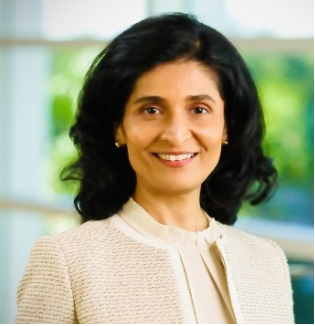
| Julie Allickson, Ph.D., is the Chief Technology Officer at Mayo Clinic’s Center for Regenerative Biotherapeutics and also directs Biomanufacturing and Process Development. She's a consultant for Laboratory Medicine and Pathology and an associate professor of regenerative medicine. Dr. Allickson focuses on product development for the center in line with Mayo Clinic's 2030 vision. With decades of experience, she specializes in Cell and Gene Therapies, Tissue Engineering, and 3D Bioprinting, aiming to position Mayo Clinic as a leader in regenerative medicine. She leads biomanufacturing strategy, new therapy introductions, and external relationships. With over 25 years in cellular therapy and regenerative medicine, Dr. Allickson has expertise in business management, strategic planning, and project management. She has worked in both industry and academia and was an executive officer at a cell banking company. |
| Yan Asmann, Ph.D. has a broad background and expertise in biochemistry, molecular biology, computational biology, and data science. As a postdoctoral fellow at the Mayo Clinic, I developed a binary indexing sequence alignment algorithm for electronically profiling gene expressions in the EST database. In my role as a computational biology faculty member at Mayo, I have developed and published multiple tools and algorithms for the analysis of omics data, including: (1) a method for analyzing 3' tag digital gene sequencing data; (2) an algorithm for detecting fusion transcripts in RNA-Seq data; (3) an analytic pipeline for Exome-Seq data analysis; (4) an algorithm for identifying copy number variations in exome data; (5) a boosting model for prioritizing and calling variants in RNA-Seq data; (6) an integrated workflow and novel algorithms for cancer neoantigen discovery and prioritization in tumor sequencing data; (7) analytic methods to address disparities in omics data among individuals of different ancestries; (8) optimization of machine learning and artificial intelligence models, along with model interpretation for omics data; and (9) a deep neural network model to identify biomarkers for overall survival in cancer patients using transcriptome data. I have worked in cancer research and collaborated with both clinicians and basic scientists for over 15 years. I serve as the co-leader of the Mayo Clinic Neoantigen Vaccine Therapy Program and as the co-PI for multiple Investigational New Drug (IND) phase I and II trials involving immune checkpoint inhibitors and neoantigen combination therapies. Additionally, I am the MPI of an NCI U24 grant, co-leading the Cancer Adoptive Cell Therapy (Can-ACT) Network Coordinating Center. I am also a co-director of the Bioinformatics and Biostatistics Core of the Mayo Clinic Multiple Myeloma SPORE, and lead the Cancer Novel Biotherapeutics Data Science team at the Mayo Clinic Comprehensive Cancer Center. |
|
Wenchun Qu, MD, PhD, is a Professor of Anesthesiology and Physical Medicine and Rehabilitation (PM&R) at Mayo Clinic Alix School of Medicine. He earned his MD from the Second Military Medical University and his MS and PhD from the University of Southern California. Dr. Qu serves as the Jorge and Leslie Bacardi Associate Director of the Mayo Clinic Center for Regenerative Biotherapeutics in Florida. He is also a consultant and Vice Chair of Research and Innovation in the Department of Pain Medicine. His discovery research focuses on RNA and extracellular vesicle engineering platforms for targeted delivery of biotherapeutics for inflammatory processes and cancer. His translational research includes clinical trials of cell- and RNA-based therapeutics for degenerative disc disease and spinal cord injury. Dr. Qu has published more than 80 high-impact manuscripts and holds leadership roles in national academic organizations. |
| Margot Cousin, Ph.D. is an Assistant Professor of Medical Genetics from the Mayo Clinic College of Medicine and Science in the Departments of Molecular Medicine and Neurology at Mayo Clinic. She is the Director of the N-of-1 Therapeutics Program in the Mayo Clinic Center for Individualized Medicine. Dr. Cousin’s current research focuses on the mechanisms of rare genetic disease, developing and translating novel therapies such as antisense oligonucleotides for rare genetic disorders, and helping rare disease populations achieve clinical trial readiness. |
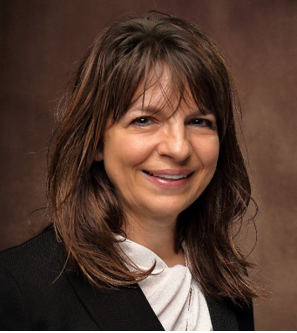
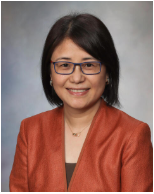

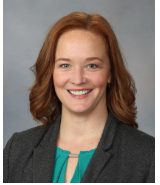
| Dev Mukhopadhyay, Ph.D |
| Marion Curtis, Ph.D |
| Matthew T. Auton, Ph.D. |
| Wenqian Hu, Ph.D |


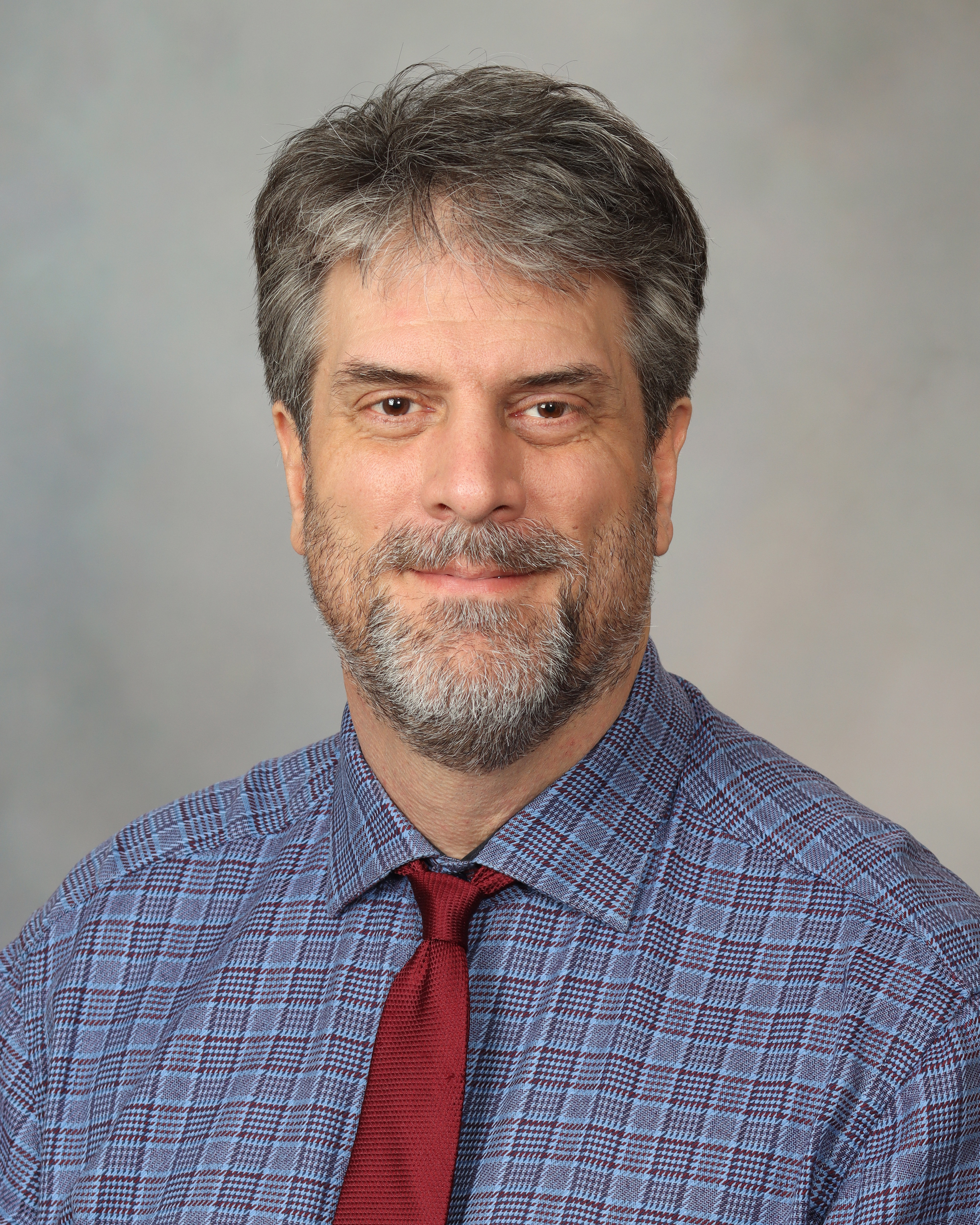

| Xue Wang, Ph.D., is a bioinformatician and an assistant professor in the Department of Quantitative Health Sciences at Mayo Clinic. She is originally from China and spent a few years in Atlanta, Georgia and San Diego, California before joining Mayo Clinic in Florida. Her passions include developing computational algorithms and applying existing bioinformatic tools for RNA and drug discovery. As a collaborative scientist, she is interested in working with bioinformaticians, biologists, and physicians to facilitate the translation from basic science to clinical potential. |
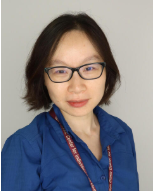
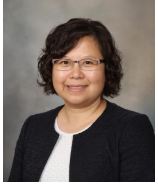 | Jane Zhu, M.D., Ph.D., is an Associate Professor of Biochemistry and Molecular Biology. She earned her MD in Pediatrics from Jilin University and her PhD in Developmental Biology from the National University of Singapore. Dr. Zhu's clinical and research interests center on developing more effective therapies for childhood solid tumors, particularly neuroblastoma and osteosarcoma. Her laboratory uses zebrafish models to investigate the molecular and cellular mechanisms underlying neuroblastoma pathogenesis, identify novel circulating prognostic biomarkers, and develop innovative therapeutic strategies, including personalized targeted therapies and monocyte/macrophage-mediated immunotherapies. She is also deeply committed to education and mentorship, with a particular interest in training and inspiring the next generation of researchers and physician-scientists in pediatric oncology. |
| Guest Faculty | |
|---|---|
|
Arthur (Art) Krieg, MD is an Adjunct Professor at the UMass Chan Medical School RNA Therapeutics Institute. He received his MD from Washington University in 1983 and earned a BS in Biology from Haverford College. Art currently serves on the scientific advisory boards of several companies developing oligonucleotide therapeutics. He founded Zola Therapeutics in 2023 and serves as CEO, with the goal of developing a new generation of TLR7/8/9 oligonucleotide agonists for immunotherapy of cancer and infectious diseases, as well as small molecule antagonists for the treatment of SLE and other autoimmune diseases. Previously, Art founded Checkmate Pharmaceuticals, which was acquired by Regeneron in 2022. Prior to that, he served as Chief Scientific Officer at Sarepta (2008-2014), co-founder and CEO of RaNA Therapeutics (2011-2013), Chief Scientific Officer of Pfizer’s Oligonucleotide Therapeutics Unit (2008-2011), and co-founder and CSO of Coley Pharmaceutical Group (1997-2008). He was also Professor of Medicine in the Division of Rheumatology at the University of Iowa College of Medicine (1991-2001). Art co-founded the journal Nucleic Acid Therapeutics, serving as editor for 16 years, and helped establish the Oligonucleotide Therapeutics Society, for which he recently served as President. He has authored more than 250 scientific publications and is an inventor on more than 50 issued U.S. patents covering oligonucleotide technologies. |
| Susan Catalano, Ph.D., is a biopharmaceutical executive and board director with 25 years of experience discovering, developing, operationalizing, and funding novel small molecule and gene therapy modalities. She has scaled companies from concept to IPO, raised $200M+ in private investor, venture capital, foundation, and NIH funding over her career, and served as the lead scientist on pioneering clinical therapeutics to treat neurological disorders and cancer. Her career spans business strategy and drug development roles across startup (Cognition Therapeutics, which IPO’d in 2021, Acumen Pharmaceuticals and CODA Biotherapeutics), mid-sized (Rigel Pharmaceuticals and Capsida Biotherapeutics) and large (Roche) pharmaceutical companies. She is a trusted advisor to seed-round, VC-backed, and early clinical-stage companies. Susan has been recognized for entrepreneurship by a Big Four professional services firm, a world-renowned STEM education center, and a top regional venture capital financing entity. Additionally, she serves on five NIH advisory and editorial boards. Additionally, she serves on five NIH advisory and editorial boards. Susan holds a Ph.D. in Anatomy and Neurobiology from the University of California, Irvine, and a B.A. in Biology and English Literature from Barnard College, Columbia University. She completed postdoctoral work in molecular and cell biology at the California Institute of Technology and the University of California, Berkeley. |
|
Vikram Agarwal, PhD, is Senior Distinguished Scientist and Head of mRNA Platform Design Data Science at Sanofi. He earned his PhD from the Massachusetts Institute of Technology (MIT) and his BS in Biology from The University of Texas at Austin. Dr. Agarwal completed his doctoral training in Dr. David Bartel's laboratory at MIT and his postdoctoral fellowship in Dr. Jay Shendure's laboratory at the University of Washington. He currently leads an international computational team at Sanofi's mRNA Center of Excellence, where he applies artificial intelligence and data science approaches to design and optimize next-generation mRNA therapeutics. His work focuses on leveraging computational biology and machine learning to enhance the development of innovative RNA-based medicines. |

|
Eric Wickstrom, PhD, is Co-Founder and Chief Scientific Officer of Bound Therapeutics LLC. He earned a BS with Honor in Biology from the California Institute of Technology and a PhD in Chemistry from the University of California, Berkeley. Dr. Wickstrom's scientific career has spanned more than five decades and has focused on the molecular mechanisms of RNA and DNA and their applications in cancer therapeutics. As a student at Caltech, he investigated mitochondrial DNA topology, and during his doctoral studies at UC Berkeley, he examined AUG selection as the initiation codon in mRNA. His subsequent research at the University of Colorado and the University of Denver advanced the understanding of transfer RNA structure dynamics and the role of initiation factor 3 in mRNA translation. At Southern Biotech, Dr. Wickstrom pursued recombinant DNA approaches for interferon-γ expression and DNA synthesis technologies. During his tenure at the University of South Florida, his laboratory demonstrated that short synthetic DNA strands could suppress cancer gene mRNAs in cells and animal models. At Thomas Jefferson University, where he served from 1992 to 2023, his laboratory developed radiolabeled bispecific PNA-peptide analogs for imaging cancer gene mRNA activity in tumors and pioneered bispecific RNA-peptide analogs for cancer therapy. In 2023, he co-founded Bound Therapeutics LLC, where he currently serves as Chief Scientific Officer, leading the development of innovative RNA-based therapeutics for cancer treatment. |
|
Craig L. Duvall, PhD, is the Cornelius Vanderbilt Professor of Biomedical Engineering at Vanderbilt University. He earned his PhD in Biomedical Engineering from Georgia Tech and Emory University and completed postdoctoral training at the University of Washington. Dr. Duvall founded the Duvall Advanced Therapeutics Laboratory (ATL) at Vanderbilt in 2010 and has since established an internationally recognized research program focused on the molecular engineering of peptides, RNAs, and biomaterials for therapeutic applications. He was promoted to Associate Professor in 2016, Professor in 2019, and named Cornelius Vanderbilt Professor in 2019. His laboratory specializes in engineering peptides and RNA therapeutics for pharmacokinetic modulation and disease targeting, as well as developing antioxidant polymeric biomaterials for sustained drug delivery and tissue repair. His work on siRNA therapeutics focuses on conjugate structural optimization for applications including triple-negative breast cancer, osteoarthritis, and diseases of the central nervous system. Dr. Duvall is the recipient of numerous prestigious honors, including the Presidential Early Career Award for Scientists and Engineers (PECASE), the National Science Foundation CAREER Award, the Society for Biomaterials Young Investigator Award, the Controlled Release Society Gene Delivery and Gene Editing Focus Group Young Investigator Award, and the Cellular and Molecular Bioengineering Young Innovator Award. He is a Fellow of both the American Institute for Medical and Biological Engineering (AIMBE) and the Biomedical Engineering Society (BMES) and has served as a standing member of the National Institutes of Health Gene and Drug Delivery Study Section. | |
|
Deborah ("Deb") Day Barbara, MBA, is a distinguished life sciences executive with more than 30 years of experience spanning therapeutics, diagnostics, research tools, and enabling technologies. She earned an MBA in Management from Loyola College Maryland and a BA in Biochemistry and Molecular Biology from the University of Maryland. Deb currently serves as Chief Business Officer of Eclipse Bio, where she leads business development and strategic partnerships. She also serves as Chair of the Strategic Advisory Board of 4basebio, Strategic Advisor to Primrose Bio and UserCue, and a Board Member of Meridian Bioscience. In addition, she serves as Chair of the Foundation for the Alliance for mRNA Medicines. Previously, Deb was Vice President of Strategy & Business Development at Maravai LifeSciences and held leadership positions at Thermo Fisher Scientific, Strategic Diagnostics, GeneLogic, Johns Hopkins University, and Amersham Life Sciences. At Johns Hopkins, she led technology development and commercialization efforts, collaborating closely with faculty and research teams to advance discoveries toward industry partnerships and clinical translation. Her expertise includes technology commercialization, strategic partnerships, corporate development, licensing, and venture creation across the life sciences industry, with a track record of building collaborations that accelerate innovation and bring transformative technologies to market. |
|
Timothy Miller, MD, PhD, is the David Clayson Professor of Neurology at Washington University School of Medicine in St. Louis. He earned his MD and PhD from Washington University School of Medicine and his BS in Chemistry and French from the University of Virginia. Dr. Miller directs the Miller Lab, co-directs the ALS Center, and serves as Vice Chair of Research for the Department of Neurology at Washington University School of Medicine. His research focuses on developing innovative therapies for neurodegenerative diseases, including amyotrophic lateral sclerosis (ALS) and tauopathies. He is internationally recognized for pioneering work in antisense oligonucleotide (ASO) therapeutics, leading successful clinical trials of ASO therapies for SOD1-related ALS and advancing the development of ASO-based treatments for tauopathies. A highly accomplished physician-scientist, Dr. Miller has received numerous distinguished honors, including the Sheila Essey Award for ALS Research, the Healey Center Prize for Innovation in ALS, the Rainwater Prize for Outstanding Innovation in Neurodegenerative Disease Research, and the Potamkin Prize for Research in Pick’s, Alzheimer’s, and Related Diseases. In recognition of his contributions to medicine and neuroscience, he was elected to the National Academy of Medicine in 2023 and the Association of American Physicians in 2026. |
Adrian Krainer, Ph.D |
Amy Walker, Ph.D. | |
| Andrew Geall, Ph.D., is the co-founder and Chief Development Officer at Replicate Bioscience, a San Diego based clinical-stage company pioneering novel self-replicating RNA (srRNA) technology for applications across infectious disease, immunology, and other therapeutic areas. He started his career in RNA vaccine in 2008, when he initiated and lead the self-amplifying RNA vaccines program at Novartis Vaccines. His clinical interest are in infectious disease, Replicate Bio just completed its 1st phase 1 clinical trail with a rabies vaccines and the data was published in Jan 2025 in Nature Communications. |
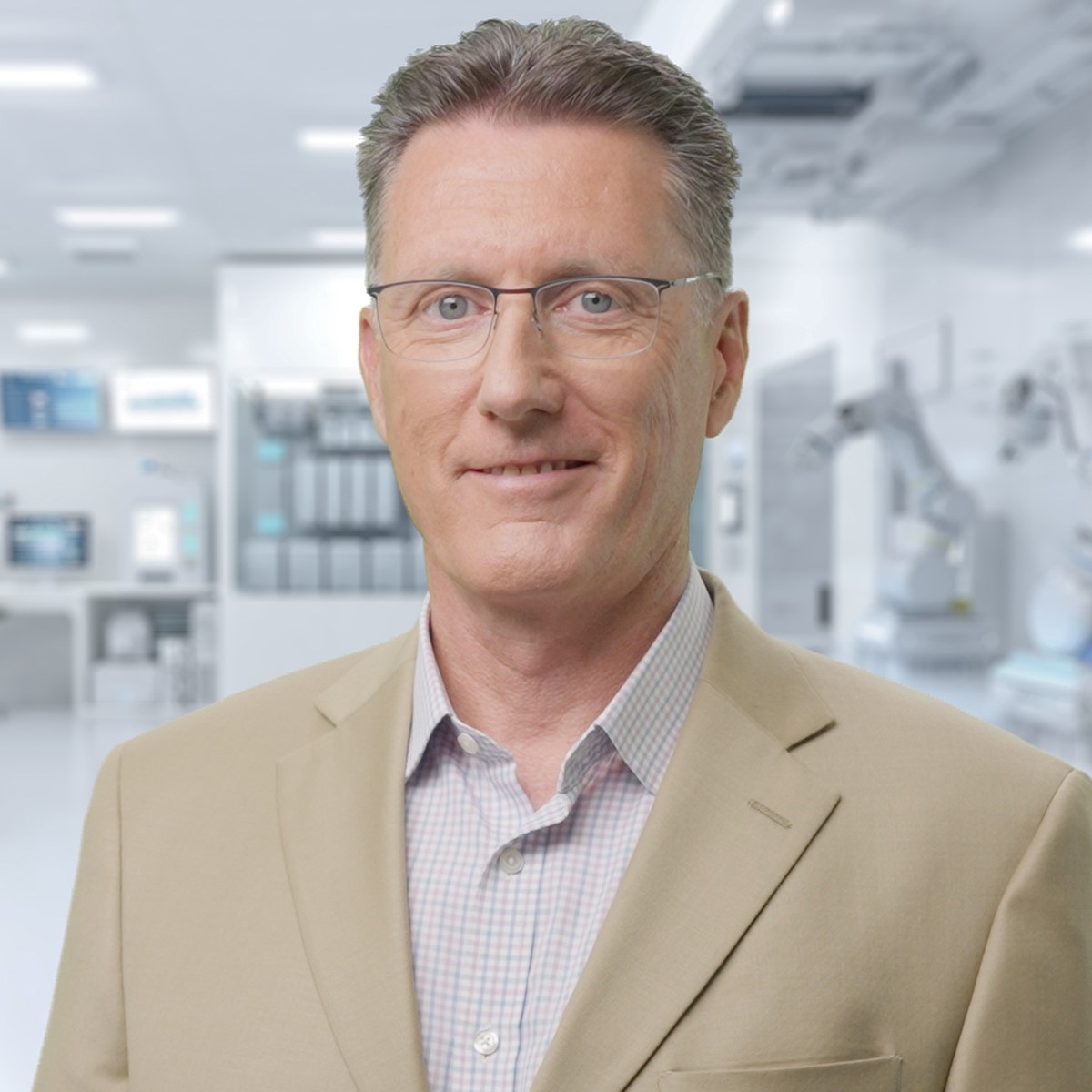
| Erica Barnes |
| Hao Yan, Ph.D. |
| Heather Gray-Edwards, DVM, Ph.D. |
| Jicong Cao, Ph.D. |
| Xiling Shen, Ph.D., is a Professor of GI Medical Oncology at MD Anderson Cancer Center and a CPRIT Scholar. He earned his BS, MS, and PhD from Stanford University. Dr. Shen serves as Co-Director of the CRC Moonshot at MD Anderson Cancer Center and as Acting Director of the Terasaki Institute for Biomedical Innovation. He previously received the prestigious National Science Foundation (NSF) Faculty CAREER Award while at Cornell University. His leadership roles have included serving on the editorial board of the NIH Director's New Innovator Award (DP2) program, Chair of the Steering Committee for the NCI Patient-Derived Models of Cancer Consortium, and Chair of the Tissue Engineering Collaborative. He has also served as Cancer Track Chair for the Biomedical Engineering Society (BMES) Annual Meeting and as Director of the Woo Center for Big Data and Precision Health at Duke University. Dr. Shen has founded multiple biotechnology startups that have translated discoveries from his laboratory into ongoing clinical trials. His research focuses on cancer biology, stem cells, precision therapeutics, and the gut-brain axis, with an emphasis on advancing innovative approaches to cancer diagnosis and treatment. |
| John Cooke, Ph.D. |
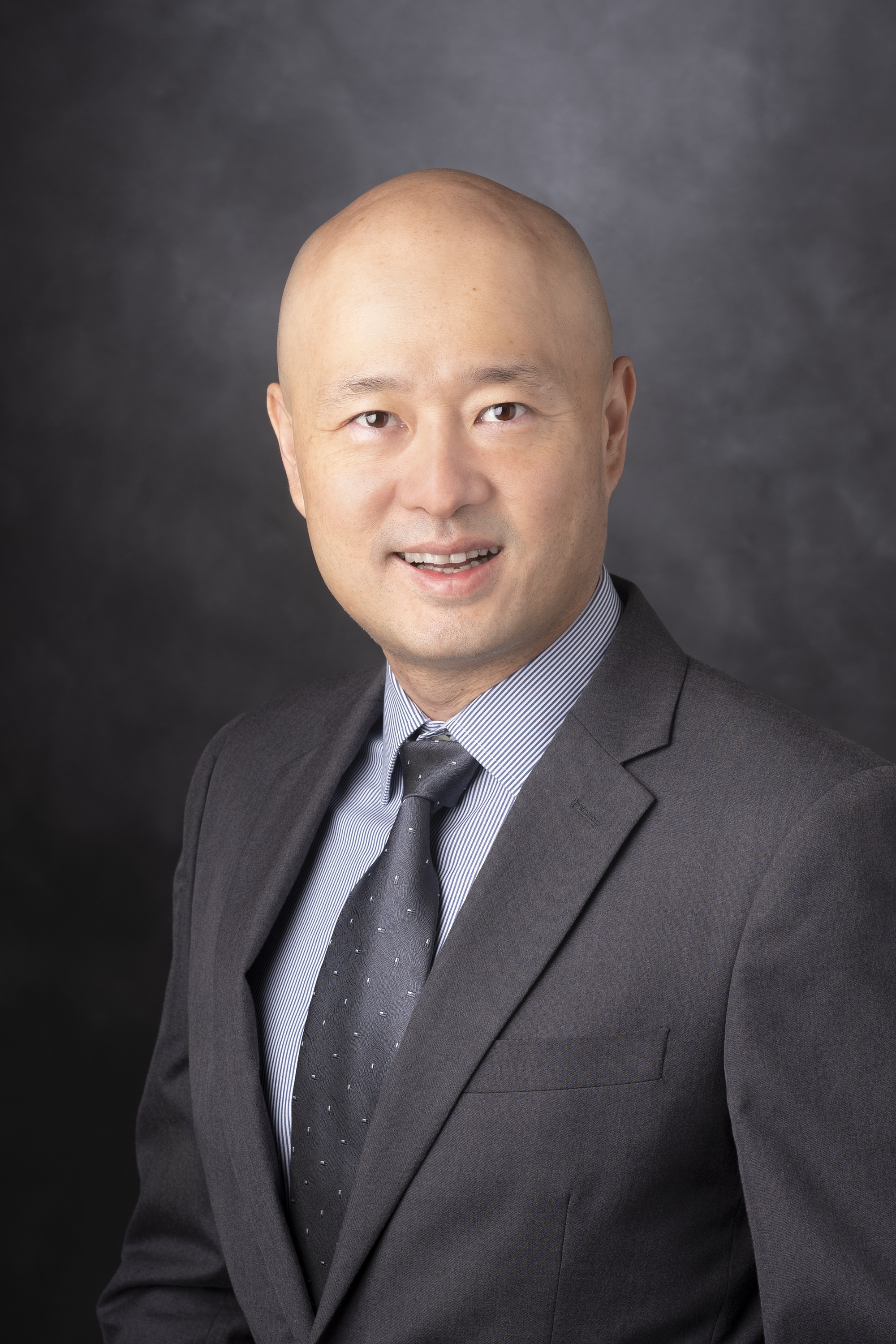
| Morrie Ruffin |
| Claes Wahlestedt, M.D., Ph.D., is Leonard M. Miller Professor and Director of the Center for Therapeutic Innovation at the University of Miami Miller School of Medicine where he also serves as Associate Dean for Therapeutic Innovation. A native of Sweden, Dr. Wahlestedt obtained his MD and PhD degrees from Lund University. Prior to joining the U. Miami, Dr. Wahlestedt was a founding Professor and a Director at The Scripps Research Institute’s Florida campus. Between 1997 and 2005 he directed the Genome Center at the Karolinska Institute (a joint venture with Pharmacia & Upjohn) where he was also an endowed Professor of Pharmacogenomics and Department Chair. He has also been a faculty member at Cornell University Medical College and at McGill University. At different stages in his career, he has directed large R&D organizations in the pharmaceutical industry for Astra-Zeneca or Pharmacia/Pfizer. In addition, he has founded several biotechnology companies including CuRNA (now with Camp4) and TheRNA. Dr. Wahlestedt has published over 300 peer-reviewed scientific publications (h-factor 110) and a number of patents. In the context of RNA-targeted therapeutics research, he has made several original contributions: 1) His team was the first to deliver antisense oligonucleotides to the living brain (Science 1993; Nature 1993 etc.); (2) he introduced the use of locked nucleic acids (LNA) in functional antisense and siRNA molecules (PNAS 2000; NAR 2005 etc.); and 3) he has discovered and targeted a wide variety of non-coding RNAs with oligonucleotides including the invention of AntagoNATs for gene up-regulation (Science 2005: Nature Rev Drug Disc 2013, 2023 etc.). |

| Samir El-Andaloussi, Ph.D. |
| Ken Yamada, Ph.D., is currently an Assistant Professor in RNA Therapeutics Institute at UMass Chan Medical School (2021-current) and is investigating transformative novel chemistry platforms for opening difficult extra-hepatic tissues to oligonucleotide-therapeutics intervention. His exploration with Nucleic Acid Chemistry started when he was a PhD student in Prof. Mitsuo Sekine’s lab, where he cultivated his discipline as a nucleic acid and oligonucleotide chemist. After his career path led to a postdoctoral position in Prof. Masad Damha’s lab at McGill University (2012-2014) and an Assistant Professor position in Prof. Fumi Nagatsugi’s lab at Tohoku University (2014-2017), he joined Prof. Anastasia Khvorova’s lab to explore his potential as a chemist to contribute to the siRNA therapeutics field. In a dynamic collaborative scientific culture in RTI, he established several innovative chemistry platforms that surpass current state-of-art siRNA technology. His inventions generated multiple patents, part of those licensed out to top-leading biotech companies. |

| Simon Frost, Ph.D. |
| Casey McPherson |
 Accreditation Statement
In support of improving patient care, Mayo Clinic College of Medicine and Science is jointly accredited by the Accreditation Council for Continuing Medical Education (ACCME), the Accreditation Council for Pharmacy Education (ACPE), and the American Nurses Credentialing Center (ANCC) to provide continuing education for the healthcare team.
Credit Statement:
AMA
Mayo Clinic College of Medicine and Science designates this live activity for a maximum of 15.75 AMA PRA Category 1 Credits™. Physicians should claim only the credit commensurate with the extent of their participation in the activity.
Other Healthcare Professionals:
A record of attendance will be provided to all registrants for requesting credits in accordance with state nursing boards, specialty societies or other professional associations.
| Day | Credit(s) |
|---|---|
| Wednesday | 6.50 |
| Thursday | 6.25 |
| Friday | 3.00 |
For disclosure information regarding Mayo Clinic School of Continuous Professional Development accreditation review committee member(s) and staff, please go here to review disclosures.
Available Credit
- 15.75 AMA PRA Category 1 Credit™
- 15.75 Attendance
The Mayo Clinic RNA Discoveries and Therapeutics Conference 2026 is pleased to offer the opportunity for commercial companies to interact with health care providers and highlight their products and services.
If you are interested in exhibiting at this course, please click on the below link to review opportunities.
If you are interested in participating, please submit the Letter of Agreement.
If you have any additional questions, please contact Raegan Westfall.
Note: Exhibitors must be logged into https://ce.mayo.edu prior to completing the above submission form. To create an exhibitor profile, follow these instructions.
Exhibit space is not confirmed until the submitting representative is notified of their confirmation by a member of the Mayo Clinic School of Continuous Professional Development.
Please update your profile to let us know if you have dietary restrictions or access requirements.
To claim credit for livestream participation in this course, learners must view the content during the hours posted for the live activity. This course is not approved for on-demand delivery.
Commitment to Belonging and Inclusion
Mayo Clinic School of Continuous Professional Development (MCSCPD) strives to foster a learning environment in which all individuals are valued, allowing all to achieve their fullest potential.
Every effort will be made to accommodate dietary requirements; however, some requests may not be feasible based on venue kitchen capabilities. Attendees will be contacted in advance if a dietary restriction cannot be fulfilled.
The Mayo Clinic School of Continuous Professional Development strives for fully accessible learning experiences. If you anticipate any barriers while attending this course, please reach out to the course coordinator who will be in touch with all registrants. If you need disability-related accommodations, please contact the Office of Wellness and Academic Support – Disability Access Services at MCCMS.DS@mayo.edu.
Cancellation and Refund Policy
View Cancellation and Refund Policy
All requests must be submitted in writing using the Contact Us Form.
Any use of this site constitutes your agreement to the Terms and Conditions of Registration.