
 Facebook
 X
X LinkedIn
 Forward
Mastering Electrocardiography and Arrhythmia Disorders 2026
This course offers Live (in-person) and Livestream (virtual) attendance options
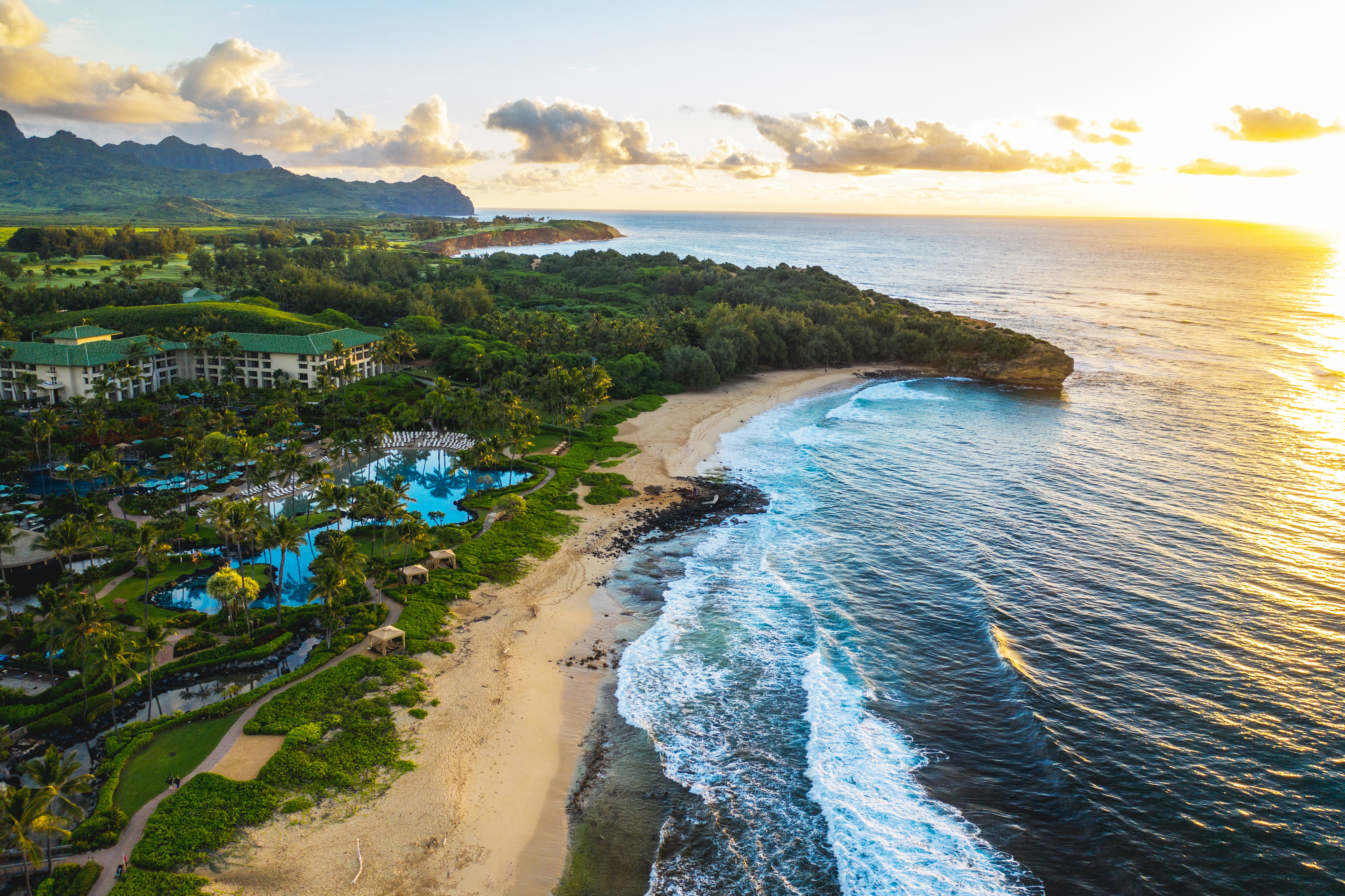
Course Directors: Dr. Pattara Rattanawong, MD ‐ Hawaii Pacific Health, Luis R. Scott, M.D., Win-Kuang Shen, M.D., and Komandoor Srivathsan, M.D.
October 12 - 16, 2026 - Grand Hyatt Kauai Resort and Spa - Koloa, Kauai, Hawaii
This comprehensive continuing medical education activity is designed to provide the knowledge and skills needed for accurate ECG interpretation through case-based learning. It addresses key skill gaps to enhance cardiac rhythm analysis, facilitate prompt diagnosis, and reduce unnecessary diagnostic testing, thereby improving patient outcomes and supporting cost-effective healthcare delivery.
To see the course fee, please log in or create an account
| Registration Fees | |
|---|---|
| M.D., D.O., Ph.D. | $1,500 |
| Allied Health, NP, PA, Nurses, Retirees, Residents/Fellows | $1,000 |
The registration fee includes tuition, an electronic course syllabus, a breakfast buffet and morning refreshment breaks on all five days of the course, and access to course presentation PDFs for up to one year following the course.
Special Pricing Instructions
Limited scholarships are available to allied health professionals, advanced practice providers, nurses, and residents/fellows currently practicing in the United States who demonstrate financial need and are seeking to enhance their knowledge and skills in ECG interpretation and the diagnosis and management of arrhythmia disorders.
To apply, please email your CV and a brief explanation of your financial need and reason for requesting the scholarship to Lena Davidson, CME Specialist, at Davidson.Olena@mayo.edu. Eligible applicants will receive a coupon code for the discounted registration rate. The scholarship covers $400 of the registration fee. Scholarship recipients are responsible for the remaining $600 balance.
Target Audience
This course is intended for cardiologists, general internists, hospitalists, family practitioners, physician assistants, fellows, residents, nurses, nurse practitioners, scientist researchers, and other allied health staff participating in cardiac services.
Learning Objectives
Upon completion of this activity, participants should be able to:
1) Master Systematic ECG Interpretation:
• Develop a structured approach to ECG analysis, including assessment of rate, rhythm, axis, intervals, and waveform abnormalities.
• Identify common and critical ECG findings such as atrial fibrillation, bundle branch blocks, ST-elevation myocardial infarction (STEMI), and prolonged QT intervals.
2) Improve Recognition of Life-Threatening Arrhythmias:
• Accurately identify and differentiate between supraventricular and ventricular tachyarrhythmias, heart blocks, and other critical ECG abnormalities.
• Develop confidence in initiating appropriate acute management for conditions such as ventricular fibrillation, pulseless electrical activity, and high-degree AV blocks.
3) Correlate ECG Findings with Clinical Conditions:
• Describe the pathophysiological basis of ECG changes in conditions such as myocardial ischemia, electrolyte imbalances, pericarditis, and conduction disorders.
• Apply ECG findings to clinical scenarios to guide diagnosis, risk stratification, and treatment decisions.
Attendance at any Mayo Clinic course does not indicate or guarantee competence or proficiency in the skills, knowledge or performance of any care or procedure(s) which may be discussed or taught in this course.
Course summary
- 25.25 AAFP Prescribed
- 25.25 ABS - Accredited CME
- 25.25 AMA PRA Category 1 Credit™
- 25.25 ANCC
- 25.25 Attendance
 Mastering ECG Arrhythmia Disorders 2026 Final Printable Program Schedule.pdf
Mastering Electrocardiography and Arrhythmia Disorders 2026 Grand Hyatt Kauai Resort & Spa Koloa, Kauai, Hawaii October 12-16, 2026 | |
| |
Monday, October 12, 2026 | |
6:15 AM | Registration, Breakfast, and Exhibits |
7:15 AM | Announcements |
SESSION I: ECG Workshop on Heart Block and Atrial Fibrillation Across the Continuum: Acute Care, Outpatient Management, and Intervention | |
7:30 AM | ECG Learning: Types of Heart Block |
8:00 AM | Prevention of Atrial Fibrillation: Alcohol and Diet |
8:15 AM | Newer Strategies for Rate Control in The Hospital |
8:30 AM | Methods to Evaluate Rate Control as an Outpatient: Holter Monitoring, Exercise Testing, and VO₂ |
8:45 AM | Antiarrhythmic Drugs for AF in the Hospital: Is Amiodarone Good Enough for All Comers? |
9:00 AM | Monitoring Antiarrhythmic Drugs for AF as an Outpatient |
9:15 AM | Class I Indications for AF Ablation| |
9:30 AM | Surgical and Hybrid AF Ablation: Concomitant and Stand-Alone Techniques |
9:45 AM | Panel Q&A |
10:00 AM | Refreshment Break and Exhibits |
SESSION II: Case Discussions: Anticoagulation Issues in Atrial Fibrillation | |
10:30 AM | Post-AF Ablation CHADS Vasc 3 (75-Year-Old Male and Hypertension): Does Not Want Anticoagulation |
10:45 AM | 65-Year-Old Female with AF and STEMI: What Drug and for How Long for Stroke and Stent Thrombosis Prevention? |
11:00 AM | 64-Year-Old Male with AF, Prosthetic Aortic Valve, and Ascending Aorta Replacement: Anticoagulation Protocols with and without Addressing the LAA |
11:15 AM | 77-Year-Old with Multivalve Surgery and Persistent AF for 1 Year: Surgical Strategy |
11:30 AM | 67-Year-Old Hypertensive with AF and Recurrent Non-Major GI Bleed: What Did I Recommend? |
11:45 AM | 82-Year-Old with a Massive Hemodynamically Unstable GI Bleed on Apixaban and Prasugrel |
12:00 PM | Patient Needs an Ablation but has Refractory Thrombus Despite Anticoagulation |
12:15 PM | How I Am Incorporating ECG AI Interpretation into My Clinical Practice Panel Discussion and Q&A Panel: Mayurkumar D. Bhakta, M.D., Fred Kusumoto, M.D., Kristen A. Sell-Dottin, M.D., George Wang, M.D., and Arturo M. Valverde, M.D. |
1:15 PM | Adjourn |
Tuesday, October 13, 2026 | |
6:15 AM | Breakfast and Exhibits |
6:55 AM | Announcements |
SESSION III: ECG Workshop on Acute MI/Ischemia and Ventricular Arrhythmias: ECG Interpretation and Clinical Management | |
7:00 AM | Channelopathy Update |
7:30 AM | PVC Basics: Left, Right, Septal, Narrow or Wide? What Does This Information Mean? What Is the Fuss All About? |
7:45 AM | PVC Patterns-1: RVOT, LVOT, Aortic Cusps, and LV Summit |
8:00 AM | PVC Patterns-2: Fascicular, Moderator Band, Papillary Muscle, and Para-Hisian |
8:15 AM | PVCs in Asymptomatic Patient with Holter Showing 35% Burden and Normal EF |
8:30 AM | PVCs and Cardiomyopathy: Cause or Effect |
8:45 AM | Outpatient Medications for PVCs |
9:00 AM | NSVT Alerts on Pacemakers |
9:15 AM | Outpatient Management After Hospitalization for VT and EF <35% |
9:30 AM | Panel Q&A |
9:45 AM | Refreshment Break and Exhibits |
SESSION IV: AM Cases: Ventricular Arrhythmias | |
10:15 AM | Case 1: When One Must Refer for PVC Ablation |
10:30 AM | Case 2: How To Determine That PVCs Are Causing Cardiomyopathy Before Ablation? I Thought I Was Right |
10:45 AM | Stress ECG in Ischemic Heart Disease |
11:00 AM | Stress ECG in Non-Ischemic Heart Disease |
11:15 AM | Hemodynamic Support During Sustained VT |
11:30 AM | VT Ablation Referral: What the Generalist Must Know and How to “TEE It Up” |
11:45 AM | Panel Q&A |
12:00 PM | ECG Based Cases on Repolarization Abnormalities and Long QT |
12:45 PM | Adjourn |
5:30 PM - 8:00 PM | Grand Hyatt Kauai Luau | Experience the Spirit of Aloha (Optional Evening Activity)
|
|
|
Wednesday, October 14, 2026 | |
6:15 AM | Breakfast and Exhibit |
6:55 AM | Announcements |
SESSION V: ECG Workshop on SVT and Practical Approach to Transcatheter Valve Interventions: From Patient Selection to Complications | |
7:00 AM | Learn From ECGs-SVTs |
7:30 AM | How to Select Patients for TAVR |
7:45 AM | Echo or CT for Assessment of Aortic Valve |
8:00 AM | Acute Complications of TAVR |
8:15 AM | Chronic Issues Post TAVR |
8:30 AM | Pacemaker Placement Following TAVR: When and What Type |
8:45 AM | Watchman Device During AF Ablation: Pros and Cons |
9:00 AM | Mitral Clip Update |
9:15 AM | Management of Watchman Device Related Thrombus |
9:30 AM | Panel Q&A |
9:45 AM | Refreshment Break and Exhibits |
SESSION VI: Echocardiography, Valvular Heart Disease, Heart Failure, and Device-Based Rhythm Management | |
10:15 AM | TAVR In Severe AI |
10:30 AM | Device-Detected Atrial High-Rate Episodes: Anticoagulate or Not? |
10:45 AM | Heart Failure with Preserved Ef: Current and Future Therapies |
11:00 AM | ICD Referral: What the Generalist Must Know |
11:15 AM | Subcutaneous ICD or Extravascular ICD: Indications and Challenges |
11:30 AM | Panel Q&A |
11:45 AM | Pacemaker Implant Post TAVR: Practical ECG Cases |
12:30 PM | Adjourn |
|
|
Thursday, October 15, 2026 | |
6:15 AM | Breakfast and Exhibits |
6:55 AM | Announcements |
SESSION VII: ECG Workshop on Essential ECG Patterns and Clinical Decision-Making in Arrhythmia & Heart Failure | |
7:00 AM | Learn From ECGs: Essential ECG Patterns |
7:30 AM | SVT-ECG Diagnosis and Outpatient Management |
7:45 AM | SVTs-Inpatient Management |
8:00 AM | AFib: When to Ablate and Pace |
8:15 AM | Accessory Pathways and Sudden Death: Should I Worry About Sports Activity? |
8:30 AM | Atrial Tachycardia: How to Recognize and Localize |
8:45 AM | Wide Complex SVTs |
9:00 AM | Non-Sustained AT: Observe or Intervene? |
9:15 AM | Use of Diuretics in Heart Failure |
9:30 AM | Panel Q&A |
9:45 AM | Refreshment Break and Exhibits |
SESSION VIII: Syncope, Brugada Syndrome, and ECG Cases | |
10:15 AM | Managing My Asymptomatic Brugada Patient |
10:30 AM | My Brugada Patient Had a Fainting Spell: What Is Next? |
10:45 AM | Neurocardiogenic Syncope |
11:00 AM | Syncope and Driving |
11:15 AM | Ablation for Neurocardiogenic Syncope |
11:30 AM | Take Home Points |
11:45 AM | Panel Q&A |
12:00 PM | Interesting ECG Cases |
12:45 PM | Adjourn |
|
|
Friday, October 16, 2026 | |
6:15 AM
| Breakfast Exhibits AstraZeneca Product Theater Presentation (Non-Accredited; No CME Credit) |
6:55 AM | Announcements |
SESSION IX: ECG Workshop on Metabolic and Channel Conditions with Selected Topics in Athletes, Pacemaker, Infiltrative Cardiomyopathy, Lipid, and Primary CAD Prevention | |
7:00 AM | EP Issues and TTR Amyloidosis |
7:30 AM | Learn from ECGs-Acute MI and ST-T Changes: Localization of Acute MI and Differential Diagnosis of ST-Elevation |
8:00 AM | Athletes and ECG Screening |
8:15 AM | Pacemaker and ICD Surface and Intracardiac ECG Tracings for Non- Electrophysiologists: Practical Approach in Hospital Care |
8:30 AM | Cardiac Sarcoidosis: ECG and Holter Clues. How to Make the Diagnosis |
8:45 AM | Clues of Diagnosis Form ECG Findings in Infiltrative Cardiomyopathies |
9:00 AM | Indications for Percutaneous Tricuspid Valve Intervention |
9:15 AM | Percutaneous Mitral Valve Replacement: Are We There Yet? |
9:30 AM | Panel Q&A |
9:45 AM | Refreshment Break and Exhibits |
10:15 AM | Primary Prevention of CAD |
10:30 AM | How Low the LDL Can Go in Secondary Prevention |
10:45 AM | Learn From ECGs: Common Metabolic and Ion Channel Changes |
11:15 AM | ECG Questions |
12:00 PM | Adjourn |
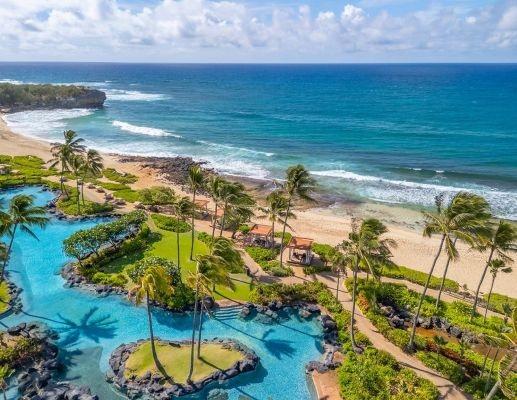
Grand Hyatt Kauai Resort and Spa
Mastering Electrocardiography and Arrhythmia Disorders 2026 course will be held at the Grand Hyatt Kauai Resort & Spa. This luxury five-star oceanfront resort is located on the sunny southern coast of Kauai in Poipu, Hawaii, directly on Shipwreck Beach, offering stunning golden sands and dramatic volcanic sea cliffs. Mahaulepu Heritage Coastal Trail | Kauai.com, a scenic wilderness coastal trail, begins at Shipwreck Beach. Set on 50 acres of lush tropical gardens, the resort is highly rated for its expansive multi-level pool complex, adjacent 18-hole championship Poipu Bay Golf Course, tennis courts, luau, and the world-class Anara Spa, which spans 45,000 square feet and features open-air treatment rooms, lava rock showers, and a fitness center.
The resort is also within walking distance of Poipu Beach, which is consistently ranked among the nation's top beaches and is famous for its resident Hawaiian monk seals and green sea turtles. Spouting Horn Park, located just nine minutes west of the resort, features a natural blowhole that sends ocean water high into the air through a lava tube. Adjacent to Spouting Horn, the McBryde and Allerton Gardens offer spectacular guided tours through lush botanical valleys filled with towering fig trees, exotic flowers, and landscapes featured in numerous Hollywood film sets.
A block of rooms at a special group rate of $375 (USD) per room, per night (single or double occupancy), plus applicable local and state taxes and discounted resort fee ($20 per room), is available for registered course participants, faculty, and exhibitors at the Grand Hyatt Kauai Resort and Spa. A limited number of rooms are available from three days prior to three days following the course dates (based on hotel availability at the time of booking).
Please make your room reservation before the room block fills or by the cut-off date of September 25, 2026. After September 25th, any unreserved rooms will be released back into the general inventory, and the group rate may not be available at that time. Hotel recommends using a web-based reservation system to make room reservations: https://www.hyatt.com/events/en-US/group-booking/KAUAI/G-MA01. For any questions regarding your room reservation, please contact the resort directly at 1-808-742-1234.
Late Cancellation and No-Shows
Cancellation of individual reservations made up to 30 days prior to arrival will be accepted, and the deposit refunded for those rooms for the full night’s stay with the exception of family or medical emergencies.
Twenty-nine Days up to Arrival Date: Any and all adjustments to a reservation within this period will be assessed the cost of the full length of stay, plus applicable taxes with the exception of family or medical emergencies. This includes full or partial cancellation or no shows.
For the Mastering Electrocardiography and Arrhythmia Disorders 2026 course, the mandatory discounted resort fee is $20.00 per room, per day, plus tax and includes the following services and amenities:
- Self-Parking
- Kids 5 and younger eat free at Ilima Terrace breakfast buffet with paying adult
- Welcome Lei
- Guided morning walk
- Two complimentary reusable water bottles
- Hydroponic garden tour, twice weekly
- Purified water stations
- Koi fish feeding daily, parrot time
- Reusable tote bag
- One hour of tennis or pickleball court time daily.
- Nespresso® coffee maker with coffee and tea in room
- Complimentary beach chairs and umbrellas available for use at pool desk
- 24-hour Anara Spa fitness center access
- Sunscreen at pool desk
- Fitness and yoga classes
- Nightly entertainment at Seaview Terrace
- Hawaiian Cultural Center Activities
- Poipu Bay Golf Course and Club House shuttle service and $20.00 off green fees
- Recreational bicycle use
- Nightly shuttle service to restaurants in the area
- Self-service laundry
- Early Arrival/Late Departure Lounge
Any additional mandatory fees applied to guest rooms will be detailed at the time of booking.
Overnight Self-parking: Included in Resort Fee.
Overnight Valet Parking: $40.
Check-in time is 4:00 p.m.; check-out time is 11:00 a.m.
All travel and lodging expenses are the sole responsibility of the individual registrant.
Travel
By Air
Attendees should fly into Lihue Airport (LIH), Kauai's primary commercial airport. The resort is approximately 15 miles from the airport.
Ground Transportation
Transportation options from Lihue Airport include rental cars, taxis, rideshare services, and airport shuttle services. Taxi and rideshare travel times are approximately 25 minutes, depending on traffic.
Rental Cars
While many resort amenities and nearby attractions are accessible on foot, attendees may wish to rent a car to explore Kauai's beaches, hiking trails, gardens, and scenic viewpoints during their stay.
Island Information: Kauai is approximately a 25-minute flight from Oahu (Honolulu) and is served by direct flights from several major U.S. mainland cities, subject to seasonal airline schedules.
 Accreditation Statement
In support of improving patient care, Mayo Clinic College of Medicine and Science is jointly accredited by the Accreditation Council for Continuing Medical Education (ACCME), the Accreditation Council for Pharmacy Education (ACPE), and the American Nurses Credentialing Center (ANCC) to provide continuing education for the healthcare team.
AMA
Mayo Clinic College of Medicine and Science designates this live activity for a maximum of 25.25 AMA PRA Category 1 Credits™. Physicians should claim only the credit commensurate with the extent of their participation in the activity.
AAFP
The AAFP has reviewed Mastering Electrocardiography and Arrhythmia Disorders 2026 and deemed it acceptable for up to 25.25 Live AAFP Prescribed credits. Term of Approval is from 10/12/2026 to 10/16/2026. Physicians should claim only the credit commensurate with the extent of their participation in the activity.
ANCC
Mayo Clinic College of Medicine and Science designates this activity for a maximum of 25.25 ANCC contact hours. Nurses should claim only the credit commensurate with the extent of their participation in the activity.
American Board of Surgery (ABS)
Successful completion of this CME activity enables the learner to earn credit toward the CME requirement of the American Board of Surgery’s Continuous Certification program. It is the CME activity provider's responsibility to submit learner completion information to ACCME for the purpose of granting ABS credit.
Other Healthcare Professionals:
A record of attendance will be provided to all registrants for requesting credits in accordance with state nursing boards, specialty societies or other professional associations.
Day | Credit(s) |
|---|---|
| Monday | 5.25 |
| Tuesday | 5.25 |
| Wednesday | 5.00 |
| Thursday | 5.25 |
| Friday | 4.50 |
For disclosure information regarding Mayo Clinic School of Continuous Professional Development accreditation review committee member(s) and staff, please go here to review disclosures.
Available Credit
- 25.25 AAFP Prescribed
- 25.25 ABS - Accredited CME
- 25.25 AMA PRA Category 1 Credit™
- 25.25 ANCC
- 25.25 Attendance
Sponsorship and Exhibit Opportunities
This course offers a variety of sponsorship opportunities, including the ability to interact with healthcare providers and highlight products and services through an exhibit. The letter of request and sponsorship descriptions can be found here. W-9 attached here. Space is limited and reserved upon receipt of a completed agreement.
If you are interested in sponsoring or exhibiting at the Mastering Electrocardiography and Arrhythmia Disorders 2026, please complete the Letter of Agreement via the link below, prior to October 1, 2026. If you do not have a profile/account, you will first need to create one before completing the online form: Exhibitor Letter of Agreement.
Contact: Latasha Bunkley with questions.
Price
To see the course fee, please log in or create an account
| Registration Fee(s) | |
|---|---|
| M.D., D.O., Ph.D. | $1,500 |
| Allied Health, NP, PA, Retirees | $1,000 |
Special Pricing Instructions
Limited scholarships are available for U.S. Allied Health professionals, Advanced Practice Providers, Nurses, and Residents/Fellows who demonstrate financial need and are seeking to enhance their knowledge and skills in accurately interpreting ECG readings and understanding arrhythmia disorders.
To apply, please email your CV and a brief explanation of your financial need and reason for requesting the scholarship to Lena Davidson, CME Specialist, at Davidson.Olena@mayo.edu. Eligible applicants will receive a coupon code for the discounted registration rate.The scholarship covers $400 of the registration fee. Scholarship recipients are responsible for the remaining $600 balance.
Please update your profile to let us know if you have dietary restrictions or access requirements.
To claim credit for livestream participation in this course, learners must view the content during the hours posted for the live activity. This course is not approved for on-demand delivery.
Commitment to Belonging and Inclusion
Mayo Clinic School of Continuous Professional Development (MCSCPD) strives to foster a learning environment in which all individuals are valued, allowing all to achieve their fullest potential.
Every effort will be made to accommodate dietary requirements; however, some requests may not be feasible based on venue kitchen capabilities. Attendees will be contacted in advance if a dietary restriction cannot be fulfilled.
The Mayo Clinic School of Continuous Professional Development strives for fully accessible learning experiences. If you anticipate any barriers while attending this course, please reach out to the course coordinator who will be in touch with all registrants. If you need disability-related accommodations, please contact the Office of Wellness and Academic Support – Disability Access Services at MCCMS.DS@mayo.edu.
Cancellation and Refund Policy
View Cancellation and Refund Policy
All requests must be submitted in writing using the Contact Us Form.
Any use of this site constitutes your agreement to the Terms and Conditions of Registration.